In the field of industrial automation and electrical engineering, the distinction between various components can sometimes blur, leading to questions such as: Are infrared proximity switches considered sensors? To address this, we must first understand the fundamental definitions and operational principles behind these devices.
A sensor, in its broadest sense, is a device that detects or measures a physical property and records, indicates, or otherwise responds to it. It converts a physical parameter—like temperature, pressure, or distance—into an electrical signal that can be interpreted by a control system. Sensors are integral to modern automation, providing critical data for processes ranging from simple on/off control to complex feedback loops.
Infrared proximity switches, on the other hand, are specific types of devices used to detect the presence or absence of an object within a certain range without physical contact. They operate by emitting infrared light and measuring the reflection or interruption of that light. When an object enters the detection zone, the infrared beam is reflected back to the receiver, triggering a switch output—typically a change in voltage or current. This output can then be used to activate alarms, control machinery, or signal a programmable logic controller (PLC).
Given this functionality, infrared proximity switches align closely with the definition of a sensor. They detect a physical property—proximity or presence—and convert it into an electrical signal. However, the term "switch" emphasizes their role as a binary output device: they provide a simple on/off signal based on whether an object is detected, rather than a continuous measurement of distance. This is a key point of differentiation. While all infrared proximity switches can be classified as sensors, not all sensors are switches. For instance, an infrared distance sensor might provide analog output corresponding to exact distances, whereas a proximity switch is designed for threshold-based detection.
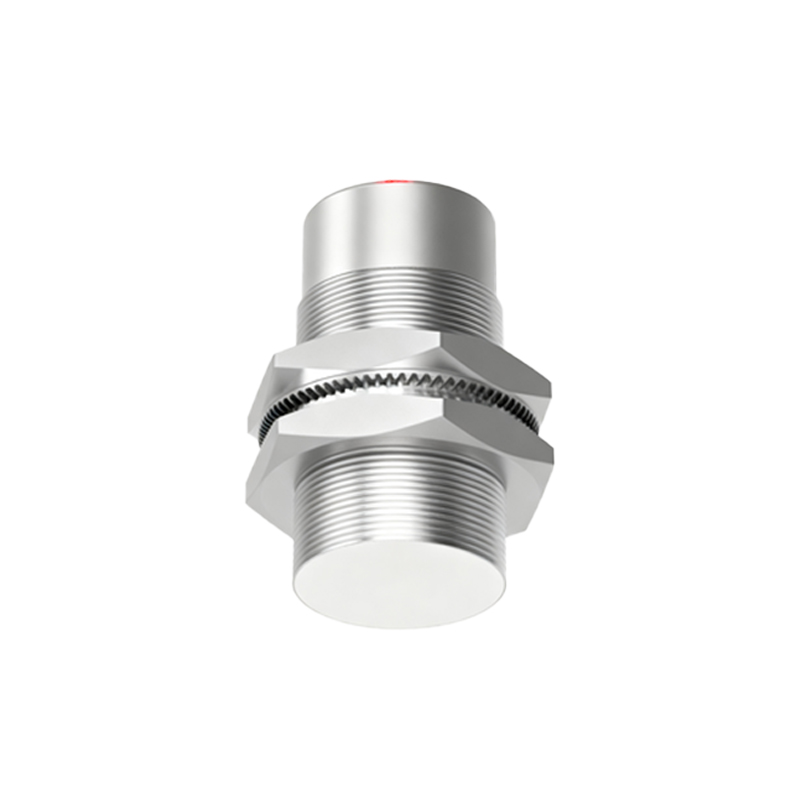
In industrial applications, infrared proximity switches are valued for their reliability, speed, and non-contact operation. They are commonly used in packaging lines, material handling systems, safety interlocks, and robotics. Their ability to work in various environmental conditions—such as dust or moisture—makes them preferable over mechanical switches in many scenarios. The infrared spectrum allows for detection of objects regardless of color or material, though highly reflective surfaces can sometimes cause false triggers, which engineers must account for during installation and calibration.
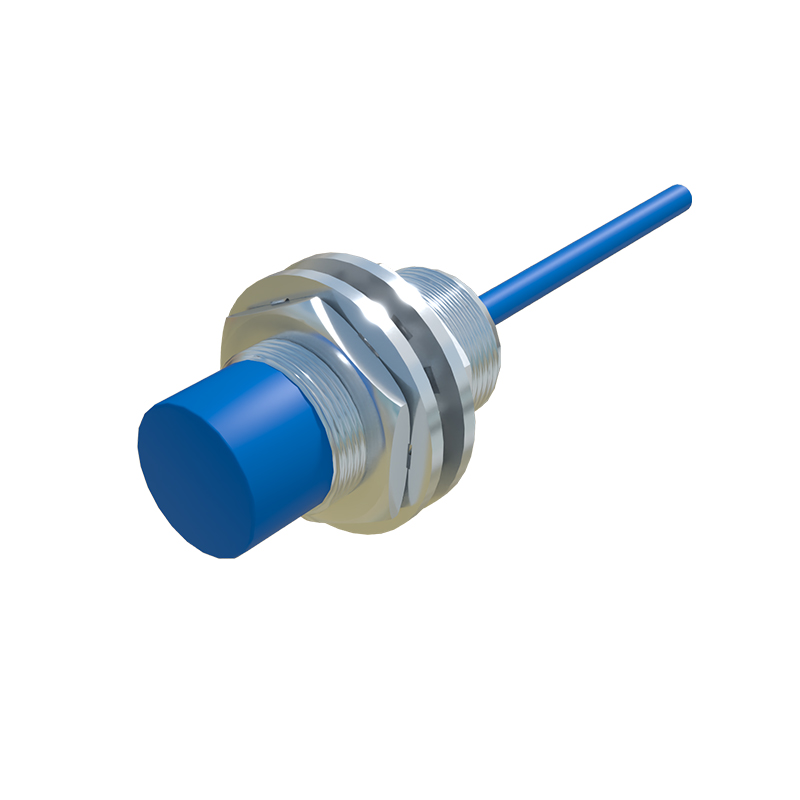
From a technical perspective, these devices consist of an infrared LED emitter, a phototransistor or photodiode receiver, and signal processing circuitry. The emitter sends modulated infrared pulses to reduce interference from ambient light, and the receiver decodes these pulses to determine if an object is present. Advanced models may include features like adjustable sensing ranges, time delays, or immunity to cross-talk in multi-switch setups.
So, to answer the question directly: Yes, infrared proximity switches are indeed sensors. They fall under the category of proximity sensors, specifically using infrared technology. Their designation as "switches" refers to their output characteristic—providing a discrete signal—rather than excluding them from the sensor family. In engineering terminology, it is accurate to describe them as "infrared proximity sensor switches," highlighting both their sensing mechanism and output function.
Understanding this classification is crucial for proper component selection in system design. Engineers must consider whether they need a simple presence detector (switch) or a continuous measurement device (sensor). For applications requiring only object detection within a set range, infrared proximity switches offer a cost-effective and robust solution. They exemplify how sensor technology is applied in practical, industrial contexts to enhance automation efficiency and safety.
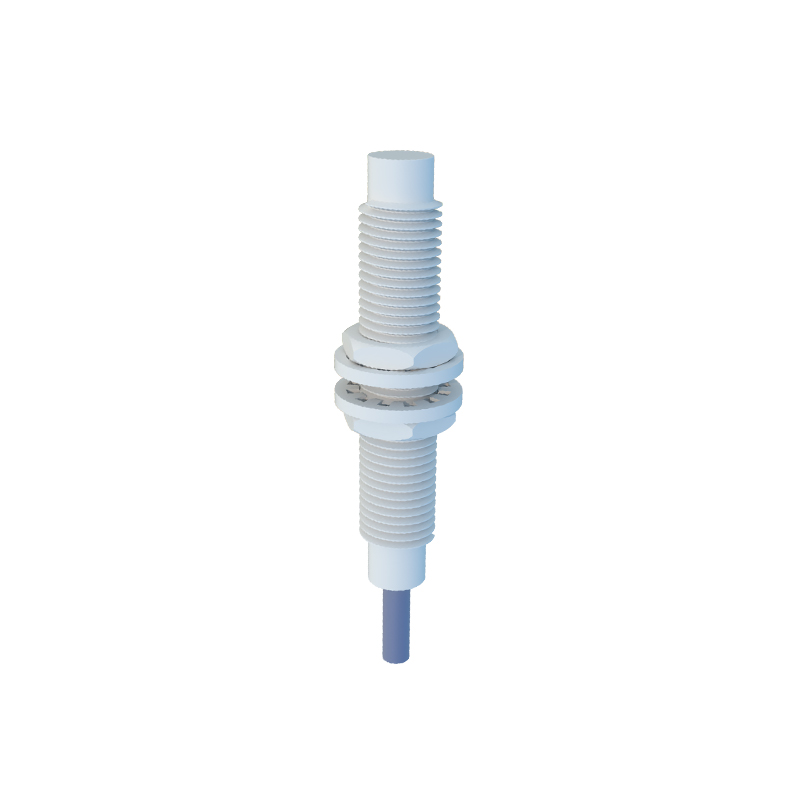
In summary, while the naming conventions might cause confusion, infrared proximity switches meet all criteria of sensors. They detect physical changes and generate corresponding electrical outputs, playing a vital role in modern electrical systems. As technology evolves, the line between switches and sensors may continue to blur, but the core principle remains: these devices are essential tools for enabling intelligent, responsive automation.