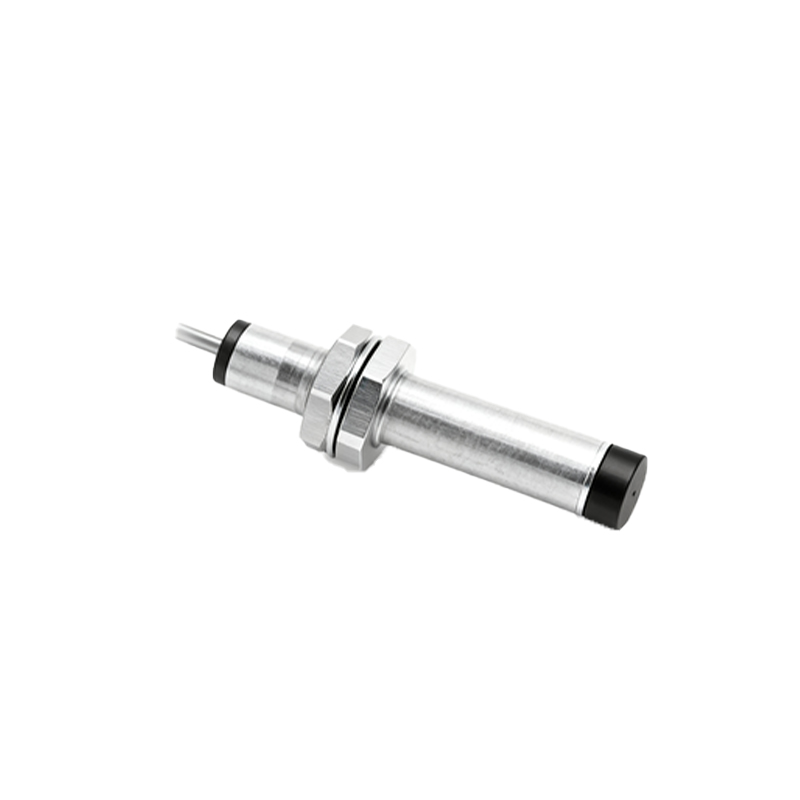
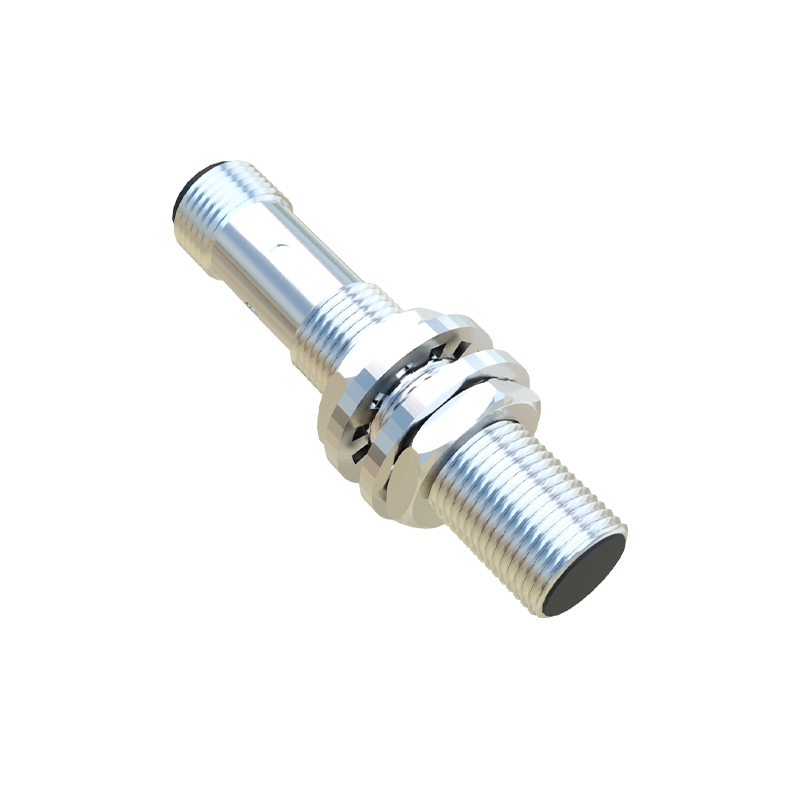
In the realm of industrial automation and control systems, the role of sensors is paramount. Among the diverse array of sensing devices, M5 proximity switches stand out as a critical and widely utilized component. Fundamentally, an M5 proximity switch is an inductive sensor designed to detect the presence or absence of metallic objects without any physical contact. The designation "M5" refers to its standardized threaded housing diameter of 5 millimeters, a compact form factor that makes it ideal for applications with stringent space constraints.
The operational principle of an M5 proximity switch is based on electromagnetic induction. The device contains an oscillator circuit that generates a high-frequency electromagnetic field at its active face. When a ferrous or non-ferrous metallic target enters this field, eddy currents are induced within the target. This causes a change in the oscillation amplitude within the sensor, which is then detected and processed by an internal circuit. This processing triggers a solid-state switching output, typically in the form of a PNP (sourcing) or NPN (sinking) signal, indicating the object's detection. This non-contact operation is a key advantage, eliminating mechanical wear and tear, ensuring high reliability, and enabling very fast response times often measured in microseconds.
As a sensor, the M5 proximity switch performs the primary function of binary position sensing. It answers a simple yet crucial question: Is the target object present or not? This function is foundational in countless automation sequences. Common applications include precise positioning control on conveyor systems, where it detects the arrival of a pallet or workpiece; part verification in assembly machines to ensure components are in place before a process begins; and end-of-travel detection on linear actuators or cylinders to confirm their extended or retracted positions. Its small size allows for installation in tight locations on machine tools, robotic grippers, and packaging equipment.
The technical specifications of M5 proximity sensors highlight their sensing capabilities. Key parameters include the nominal sensing distance, which for a standard M5 inductive sensor is typically up to 1.5 mm for steel targets. It is crucial to note that this sensing range is reduced for non-ferrous metals like aluminum or copper. Other vital specs are the switching frequency, which can exceed 5 kHz, allowing for detection of very rapidly moving objects, and the environmental protection rating, often IP67, which denotes resistance to dust and temporary immersion, making them suitable for harsh industrial environments. They are available in shielded (flush-mountable) or unshielded (non-flush) versions, offering flexibility in mounting relative to surrounding metal.
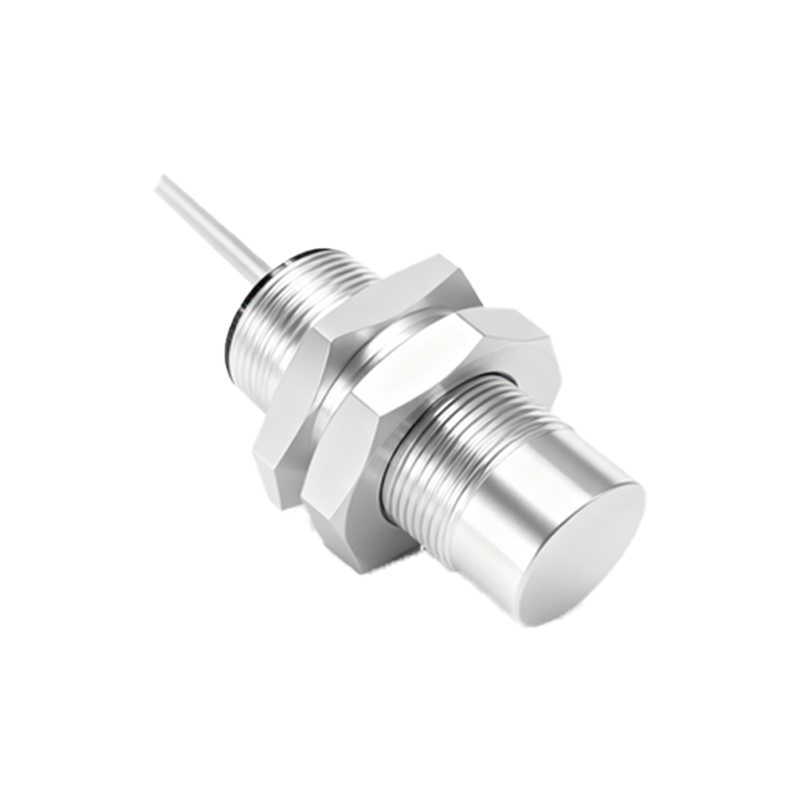
When integrating an M5 proximity switch into a control system, it is treated as a digital input sensor. Its output wire is connected to a programmable logic controller (PLC) input module or another controller. The consistent and clean switching signal it provides is essential for the PLC's logic to make accurate decisions about machine cycles, safety interlocks, and process steps. Compared to mechanical limit switches, these sensors offer superior longevity, immunity to contact bounce, and resistance to vibration.
In conclusion, the M5 proximity switch is unequivocally a sensor—a specialized type of inductive position sensor. Its compact M5 threaded design, non-contact inductive sensing technology, robust construction, and reliable digital output solidify its status as an indispensable sensing element in modern industrial automation. From monitoring simple repetitive motions to enabling complex precision automation, these devices provide the essential "eyes" for machinery, converting physical presence into actionable electrical data for control systems.