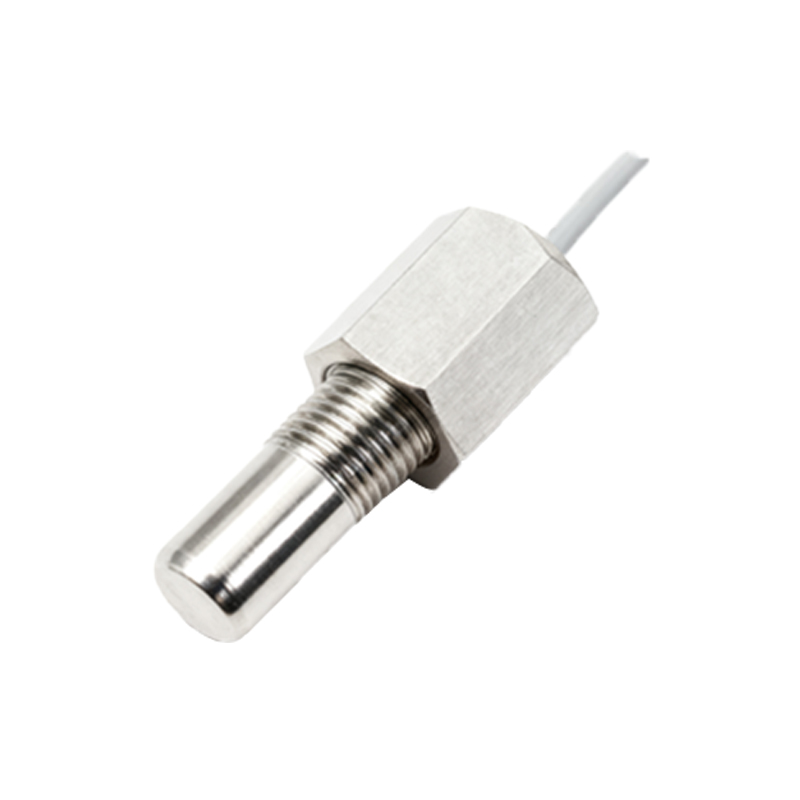
In the realm of industrial automation, safety sensor proximity switches stand as critical components for ensuring operational security and efficiency. These devices are designed to detect the presence or absence of an object without physical contact, relying on electromagnetic fields, infrared light, or ultrasonic waves. Their non-contact nature minimizes wear and tear, enhancing longevity and reliability in harsh environments such as manufacturing floors, robotics, and material handling systems.
Safety sensor proximity switches are integral to machine safety systems, often serving as primary inputs for safety interlocks. When an object, typically a human operator or a machine part, enters a predefined hazardous zone, the switch triggers an immediate response—such as halting machinery or activating alarms—to prevent accidents. This functionality is governed by stringent international standards like ISO 13849 and IEC 62061, which mandate high-performance levels (PL) and safety integrity levels (SIL) to mitigate risks.
There are several types of proximity switches, each suited to specific applications. Inductive sensors detect metallic objects through changes in an oscillating circuit, making them ideal for metal detection in automated assembly lines. Capacitive sensors can identify both metallic and non-metallic materials by measuring capacitance changes, useful in liquid level control or plastic part detection. Magnetic sensors utilize reed switches or Hall effect technology for position sensing in cylinders or doors. Photoelectric sensors, employing light beams, offer long-range detection for packaging or conveyor systems. Ultrasonic sensors use sound waves to measure distance, applicable in object positioning or collision avoidance.
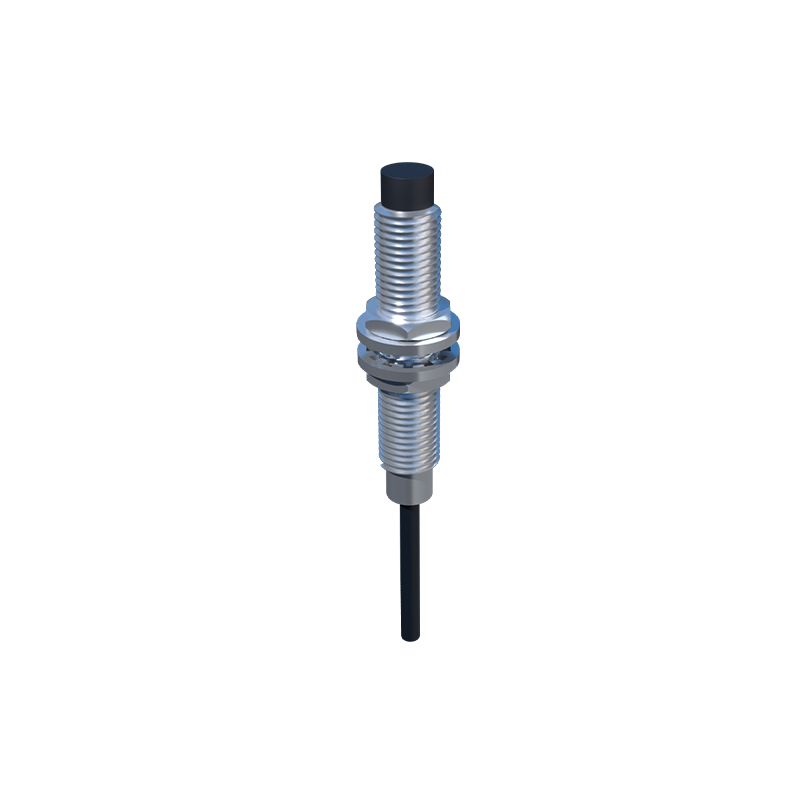
Key selection criteria for safety sensor proximity switches include sensing range, response time, environmental resistance (e.g., to dust, moisture, or temperature extremes), and output configuration (e.g., PNP/NPN or relay outputs). Modern advancements incorporate smart features like IO-Link communication, enabling real-time diagnostics, parameter adjustment, and integration with Industrial Internet of Things (IIoT) networks. This connectivity facilitates predictive maintenance, reducing downtime and optimizing productivity.
Installation and maintenance are straightforward but require adherence to best practices. Proper mounting alignment, avoidance of interference from adjacent metal objects or electrical noise, and regular testing are essential for reliable operation. Many safety sensors feature built-in diagnostics, such as LED indicators for status monitoring, to simplify troubleshooting.
In summary, safety sensor proximity switches are indispensable for modern industrial safety, combining robust detection capabilities with compliance to global standards. Their evolution towards intelligent, connected systems underscores their role in fostering safer, more efficient automated environments. As industries embrace Industry 4.0, these switches will continue to evolve, integrating advanced analytics and adaptive control to meet emerging challenges.