In the realm of industrial automation, the performance of laser sensors is paramount for ensuring accuracy, reliability, and efficiency in applications ranging from precision measurement and object detection to alignment and quality control. Laser sensor tuning, therefore, is not merely a procedural task but a critical engineering discipline that directly impacts system performance. This process involves the meticulous adjustment of the sensor's operational parameters to align with specific application requirements and environmental conditions.
The foundation of effective laser sensor tuning lies in a thorough understanding of its core components and operating principles. A typical laser sensor comprises a laser diode emitter, a photodetector receiver, and sophisticated signal processing electronics. The emitter projects a focused beam of coherent light onto a target. The reflected or scattered light is then captured by the receiver. The sensor's internal processor analyzes characteristics of this returned signal—such as time-of-flight, phase shift, or triangulation geometry—to calculate precise distance, position, or presence data. Any misalignment or suboptimal parameter setting can introduce significant errors into these calculations.
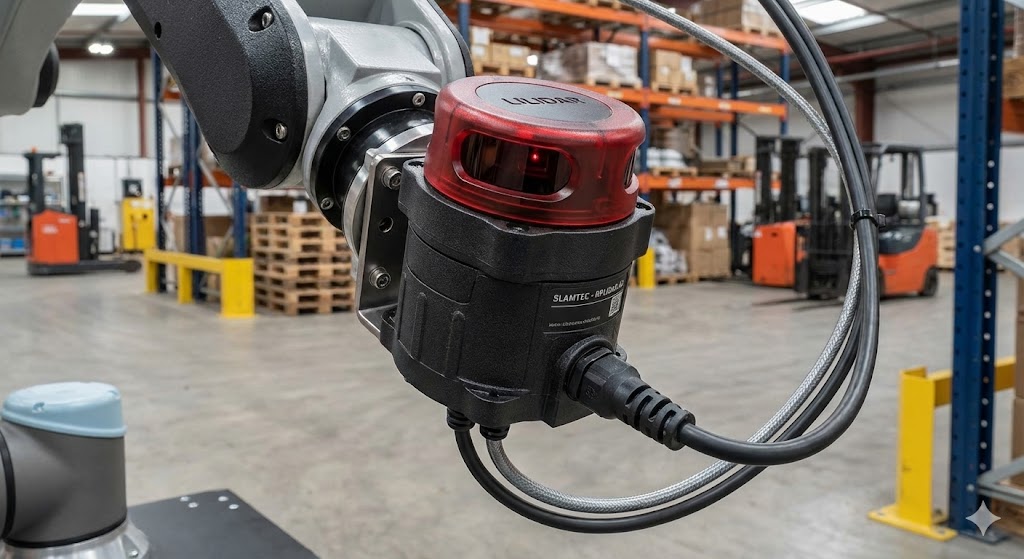
The tuning process begins with mechanical alignment. This is the first and most crucial physical step. The sensor must be securely mounted, and its optical axis must be precisely aligned with the intended measurement path. Even minor angular deviations can cause the laser spot to miss the target or the receiver to capture insufficient reflected light, leading to signal dropout or inaccurate readings. Using precision mounting fixtures and visual alignment aids, such as built-in pilot lasers or external alignment scopes, is essential. The goal is to achieve a stable, strong, and consistent signal return from the target under normal operating conditions.
Following mechanical alignment, the focus shifts to electronic parameter optimization via the sensor's software interface or dedicated configuration tools. Key parameters requiring careful adjustment include:
1. Sensitivity/Gain: This controls the amplification of the received signal. Setting the gain too low may cause the sensor to miss faint returns from dark or distant objects. Setting it too high can lead to false triggers from background noise, ambient light, or spurious reflections. The optimal setting is typically the lowest gain that still provides a stable, unambiguous signal from the desired target.
2. Response Time/Filtering: This parameter determines how quickly the sensor updates its output in response to a change in the measured variable. A fast response is necessary for high-speed applications but can make the sensor susceptible to electrical noise or vibration. Applying digital filtering (e.g., moving average, median filter) smooths the output signal but introduces latency. The tuning must balance speed and stability based on the dynamics of the application.
3. Teaching/Calibration: Most modern laser sensors feature a "teach" function. This involves presenting the sensor with known reference conditions (e.g., a target at a specific distance, or both "object present" and "object absent" states). The sensor then automatically sets its internal thresholds and scaling. Accurate teaching requires using representative targets under actual operating conditions.
4. Output Configuration: This involves setting the behavior of the sensor's digital (e.g., NPN/PNP) or analog (e.g., 4-20mA, 0-10V) outputs. For switching sensors, the switching delay, hysteresis, and output logic (light-on/dark-on) must be defined. For analog sensors, the scaling between the measured range and the output signal range must be precisely mapped.
Environmental compensation is another vital aspect of tuning. Factors such as ambient temperature fluctuations, airborne contaminants (dust, smoke), and varying target surface properties (color, reflectivity, texture) can drastically affect sensor performance. Advanced sensors offer features like background suppression, temperature compensation algorithms, and automatic exposure control to mitigate these effects. The tuner must evaluate the operating environment and enable or adjust these compensatory features accordingly.
A systematic approach to tuning is recommended. Start with a known, ideal target in a controlled environment to establish a baseline. Then, gradually introduce real-world variables—different target materials, expected speed of movement, and ambient light levels—while fine-tuning the parameters. Documenting each setting for different application scenarios is a best practice, facilitating quick redeployment or troubleshooting.
Finally, rigorous validation under simulated or actual production conditions is non-negotiable. This involves stress-testing the sensor across the entire expected range of operation, verifying measurement repeatability, and ensuring immunity to interference. Only after passing this validation phase can the laser sensor be considered properly tuned for its designated industrial role.
In conclusion, laser sensor tuning is a blend of technical knowledge, methodical procedure, and practical experience. It transforms a generic sensing device into a tailored, high-performance component of an automated system. By investing time and expertise in precise tuning, engineers unlock the full potential of laser sensing technology, ensuring robust, accurate, and reliable operation that meets the stringent demands of modern industrial automation.