In the realm of industrial automation and pneumatic systems, the integration of proximity sensors on cylinders represents a fundamental aspect of precise motion control and position feedback. A proximity sensor on a cylinder is a non-contact sensing device designed to detect the presence or absence of the cylinder's piston at a specific point in its stroke. This detection is crucial for signaling the completion of an actuation cycle, initiating subsequent automated sequences, or providing critical safety interlocks within a machinery control system.
These sensors operate on various principles, with inductive and magnetic sensing being the most prevalent for cylinder applications. Inductive proximity sensors are typically used in conjunction with cylinders featuring a metallic piston or a designated metal target. When the piston enters the sensor's electromagnetic field, it induces eddy currents, causing a change in the sensor's oscillation amplitude, which is then converted into a switching signal. For non-metallic cylinders or applications requiring internal mounting, magnetic proximity sensors are the standard choice. These sensors detect the magnetic field of a permanent magnet, usually embedded in the piston itself. As the magnetized piston passes the sensor's face, it triggers a reed switch or solid-state Hall effect component, generating a clean, reliable output signal.
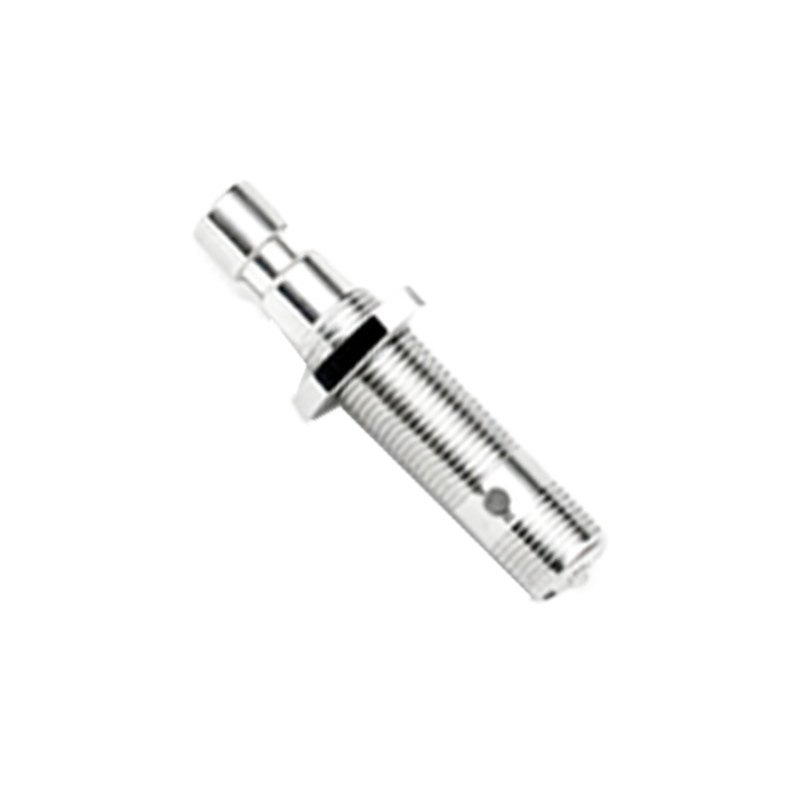
The selection and installation of these sensors demand careful engineering consideration. Key parameters include the sensing distance, which must be compatible with the cylinder's mounting configuration—whether it's a built-in sensor slot, a bracket mount, or a barrel-mounted style. The environmental rating, typically IP67 or higher, is vital to ensure reliable operation in the presence of cutting fluids, dust, and washdown conditions common in industrial settings. Electrical characteristics such as the output type (PNP/NPN, NO/NC), supply voltage (commonly 10-30V DC), and current rating must align with the programmable logic controller (PLC) or other control interfaces.
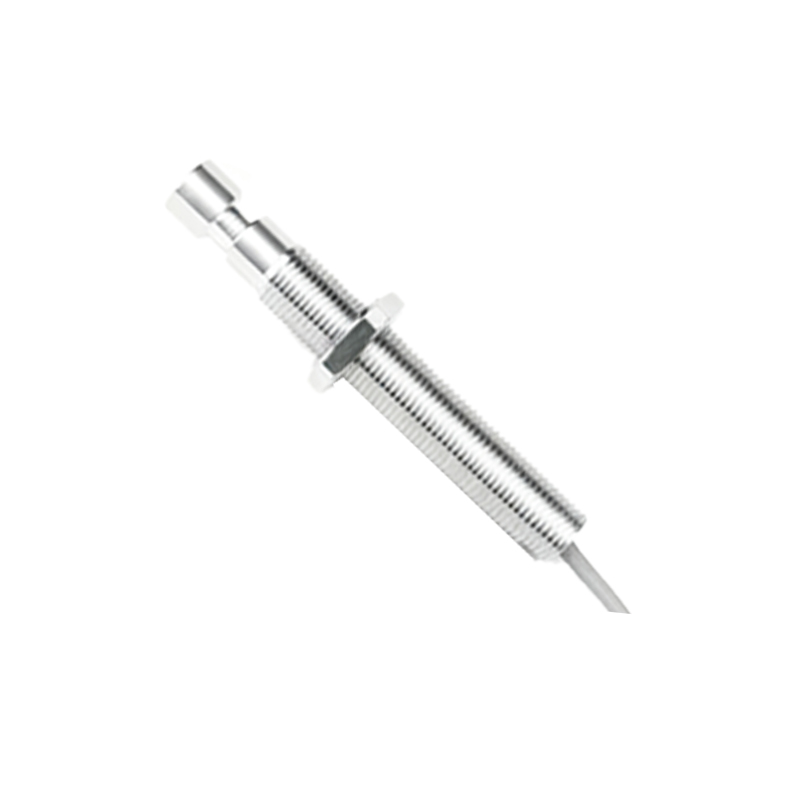
The primary advantage of utilizing proximity sensors on cylinders is the enhancement of system reliability and diagnostic capability. By providing real-time, binary feedback on piston position, these sensors enable precise sequencing, prevent machine collisions, and facilitate quick troubleshooting. For instance, in a pick-and-place application, a sensor confirming the retracted position of a cylinder ensures the gripper is clear before a new part is indexed into place. This level of control is indispensable for complex automation, robotic cells, and high-speed packaging machinery.
Maintenance practices are generally minimal but essential. Regular checks should verify the sensor's mounting integrity to prevent misalignment, which can lead to erratic signals or failure to detect. The sensing face should be kept clean from metallic debris or heavy oil accumulation that could attenuate the sensing field. In systems with magnetic sensors, it is important to ensure that no external stray magnetic fields from nearby motors or transformers interfere with operation.
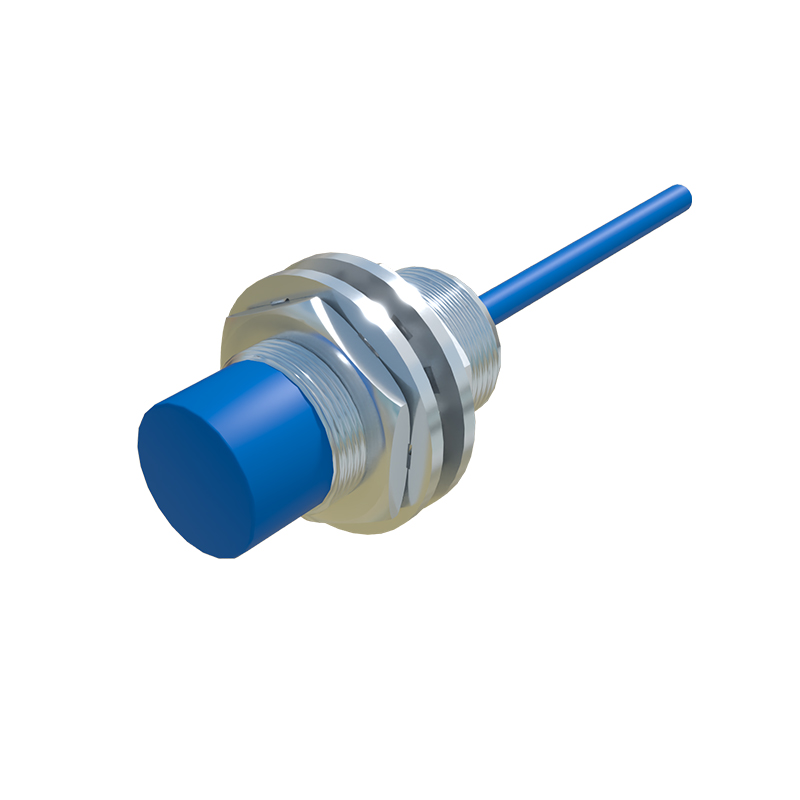
In summary, proximity sensors on cylinders are not merely add-on components; they are integral elements that transform a simple pneumatic actuator into an intelligent, feedback-enabled node within a larger automated network. Their correct specification, installation, and integration are critical for achieving the efficiency, safety, and uptime demanded by modern manufacturing and process industries. As Industry 4.0 and IoT connectivity advance, these sensors continue to evolve, offering features like IO-Link communication for detailed diagnostic data and parameterization directly from the control cabinet, further solidifying their role in smart factory ecosystems.