In the realm of industrial automation and precision engineering, accurate distance measurement is a cornerstone of efficiency, safety, and quality control. Zhishi Laser Distance Sensors have emerged as a pivotal technology in this domain, offering robust, reliable, and highly accurate solutions for a myriad of applications. These sensors utilize laser technology to determine the distance to a target by measuring the time it takes for a laser pulse to reflect back or by analyzing phase shifts in modulated laser beams. This non-contact measurement method is invaluable in environments where physical contact is impractical, hazardous, or could damage the target or sensor.
The operational principle of Zhishi Laser Distance Sensors is grounded in advanced optoelectronics. Typically, a laser diode emits a focused beam of light toward the target. The reflected light is captured by a high-sensitivity receiver, such as a position-sensitive device (PSD) or a CMOS sensor. By calculating the time-of-flight (ToF) or the phase difference between the emitted and received signals, the sensor's internal processor precisely computes the distance. Modern Zhishi sensors often incorporate microprocessors that handle complex algorithms to filter noise, compensate for environmental variables like ambient light or temperature, and provide stable, repeatable readings.
One of the defining strengths of Zhishi Laser Distance Sensors is their exceptional precision and range. Depending on the model, measurement accuracy can reach within sub-millimeter tolerances, even over distances extending to several hundred meters. This makes them suitable for demanding tasks such as warehouse automation for pallet positioning, construction site monitoring for leveling and alignment, and manufacturing processes for dimensional inspection of components. Their high sampling rate enables real-time monitoring and control, which is critical in dynamic production lines or robotic guidance systems.
Durability and adaptability are key design philosophies for Zhishi products. These sensors are commonly housed in ruggedized enclosures rated for IP67 or higher, providing resistance to dust, water, oils, and mechanical shocks. This robust construction ensures reliable performance in harsh industrial settings, including outdoor installations, foundries, and automotive assembly plants. Furthermore, many Zhishi sensors feature versatile output options—including analog (4-20mA, 0-10V), digital (RS232, RS485), and industrial Ethernet protocols (EtherNet/IP, PROFINET)—allowing seamless integration into existing control systems, PLCs, and data acquisition networks.
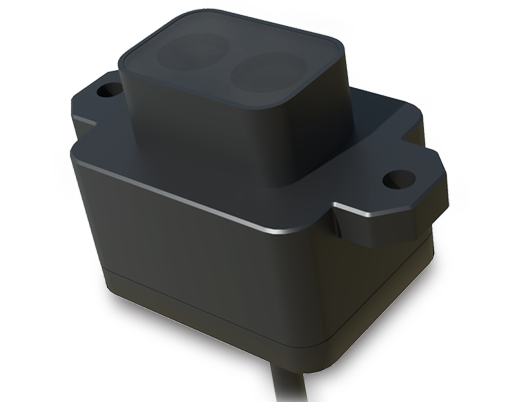
Application scenarios for Zhishi Laser Distance Sensors are vast and varied. In logistics and material handling, they are used for container profiling, vehicle detection, and automated guided vehicle (AGV) navigation. In the metal and woodworking industries, they assist in thickness monitoring, warp detection, and cut-to-length operations. In civil engineering and surveying, they facilitate deformation monitoring of structures, volume calculation in silos, and terrain mapping. The non-invasive nature of laser measurement also proves essential in delicate environments, such as positioning glass panels or measuring fragile materials without causing stress or marks.
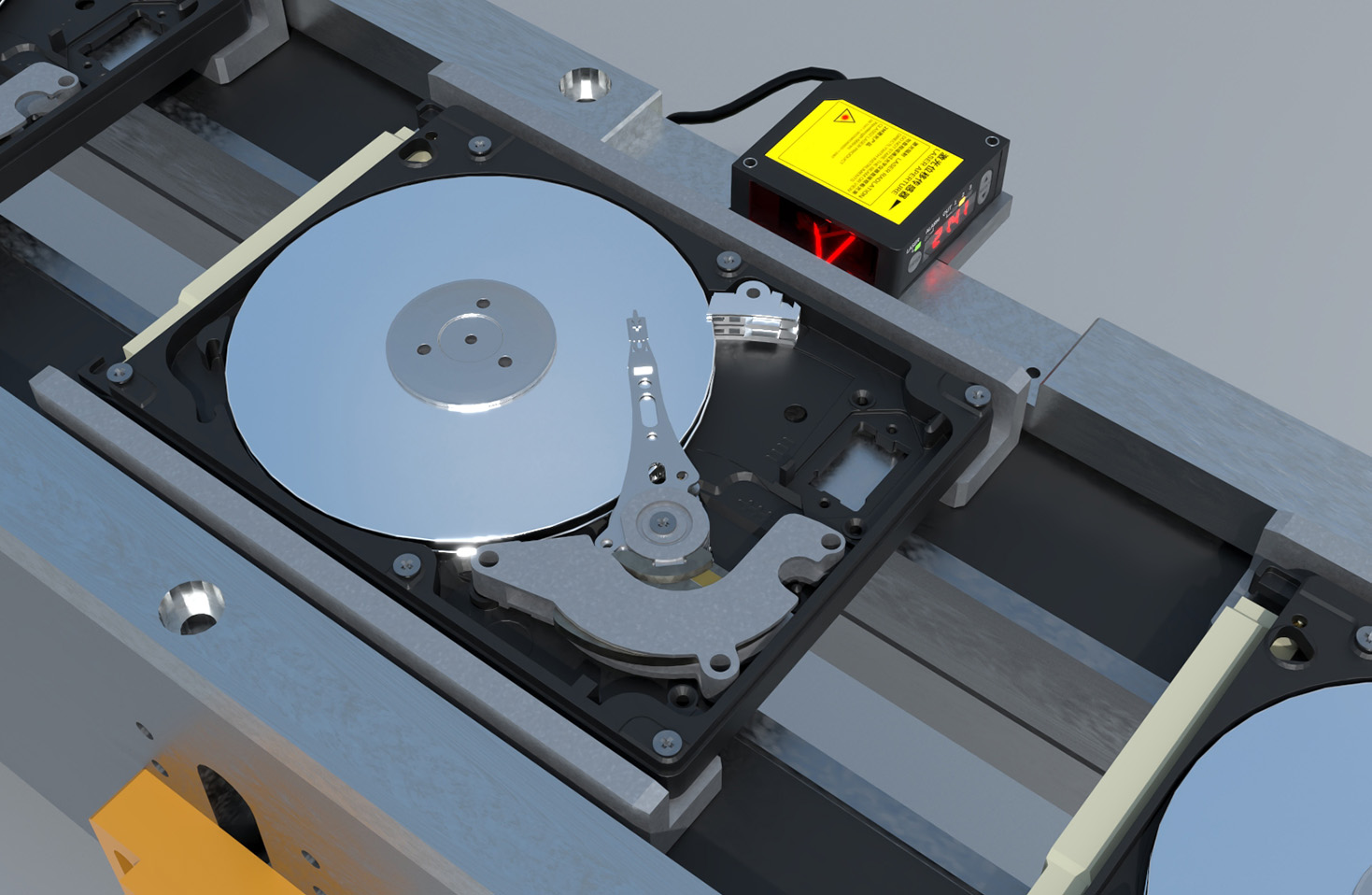
When selecting a Zhishi Laser Distance Sensor, engineers must consider several parameters to match the sensor to the specific application. Key factors include measurement range, required accuracy, response time, beam spot size, and environmental conditions like the target's surface properties (color, reflectivity, texture). For instance, a dark, absorbent surface may require a sensor with higher laser power or a specialized receiver to ensure a strong return signal. Zhishi typically offers a portfolio of models with varying specifications to address these diverse needs, from compact units for tight spaces to long-range variants for large-scale monitoring.
Looking ahead, the evolution of Zhishi Laser Distance Sensors is closely tied to broader trends in Industry 4.0 and smart manufacturing. Future iterations are expected to incorporate enhanced connectivity for IoT frameworks, enabling predictive maintenance, cloud-based data analytics, and tighter integration with AI-driven vision systems. Advances in laser diode efficiency and signal processing algorithms will likely yield sensors with even greater accuracy, faster update rates, and lower power consumption. As industries continue to prioritize automation, precision, and data-driven decision-making, Zhishi Laser Distance Sensors will remain indispensable tools, providing the critical measurement data that underpins modern industrial operations.
In conclusion, Zhishi Laser Distance Sensors represent a mature yet continuously advancing technology that addresses the core need for precise, non-contact distance measurement. Their combination of high accuracy, rugged design, and integration flexibility makes them a trusted choice for engineers across numerous sectors. By delivering reliable data in real-time, these sensors not only optimize individual processes but also contribute significantly to the overall intelligence, efficiency, and safety of automated industrial ecosystems.