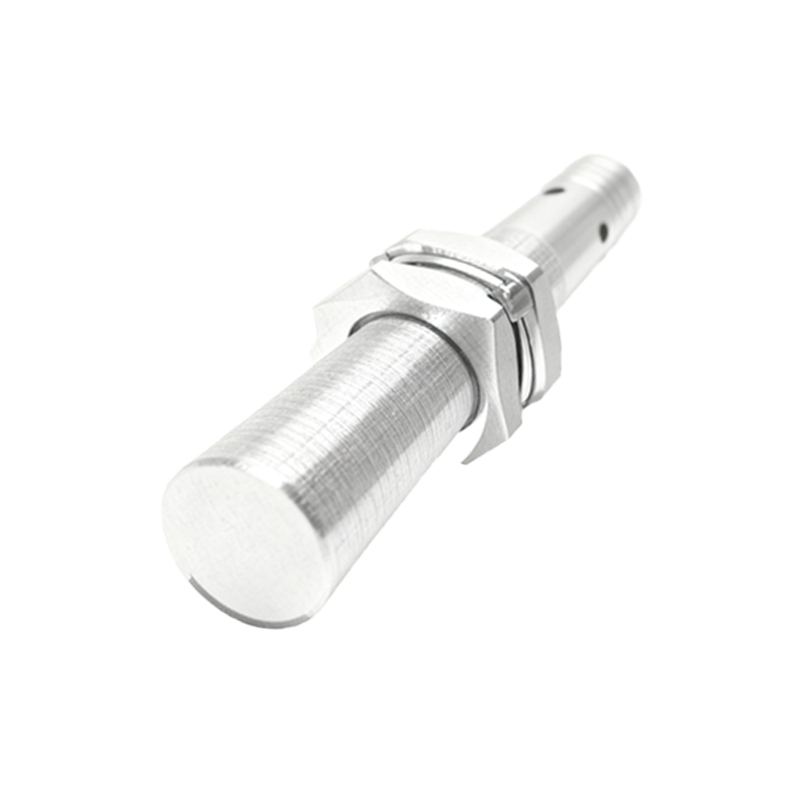
In industrial automation and control systems, proximity sensors are indispensable components, silently performing the critical task of non-contact object detection. Their reliability directly impacts production efficiency, equipment safety, and overall system uptime. Understanding the distinction between a high-performing sensor and a failing one is paramount for maintenance engineers and system designers. This article delves into the core indicators of proximity sensor quality and the common symptoms of failure, providing a technical framework for evaluation and troubleshooting.
A high-quality proximity sensor is characterized by consistent, accurate, and reliable operation under specified conditions. The primary indicator of "good" performance is repeatability. This refers to the sensor's ability to consistently detect an object at the same nominal sensing distance, trip point after trip point, under unchanged environmental conditions. Minimal deviation in the switching point is a hallmark of precision manufacturing and stable internal circuitry. Response time is another critical metric. A good sensor activates or deactivates its output signal within milliseconds as an object enters or leaves its sensing field. Fast response is essential for high-speed automation, such as in packaging or assembly lines. The environmental robustness of a sensor speaks volumes about its quality. This encompasses its ability to withstand common industrial challenges: temperature fluctuations, humidity, vibration, shock, and exposure to oils, coolants, or washdown chemicals. A well-built sensor will have an appropriate Ingress Protection (IP) rating and be constructed from materials like stainless steel or high-grade plastics to resist corrosion and physical damage. Furthermore, electrical stability is crucial. This includes stable operation across the rated voltage range, low residual current (for DC sensors), and immunity to electrical noise from nearby motors or frequency drives (EMI/RFI immunity). A quality sensor will have minimal drift in its characteristics over time and temperature.
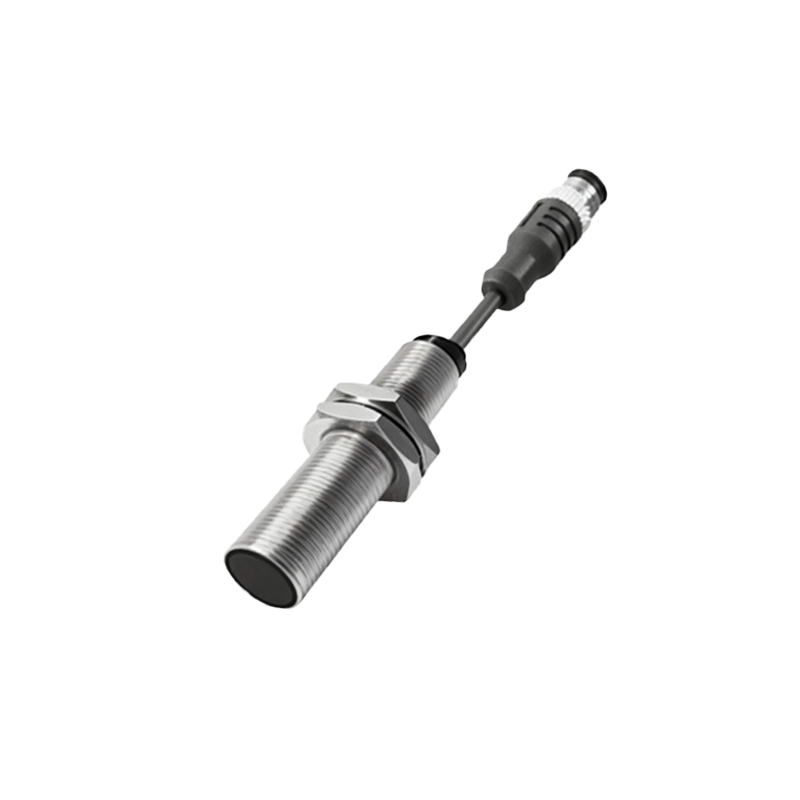
Conversely, several clear signs indicate a "bad" or failing proximity sensor. The most common symptom is intermittent operation or false triggering. The sensor may trigger without an object present, fail to detect an object that is within range, or exhibit a chattering output. This is often caused by internal component degradation, faulty solder joints, or contamination on the sensing face (for inductive and capacitive types). A significant reduction in nominal sensing distance is a classic failure mode. For instance, an inductive sensor rated for an 8mm range may only detect objects at 4mm. This can be due to aging of the oscillator circuit, weakened magnetic field (for magnetic types), or physical damage to the coil or face. Complete failure to switch is a definitive sign. The output remains constantly ON or OFF regardless of target presence. This typically points to a catastrophic failure such as a broken wire, damaged output transistor, or a severed coil. Excessive temperature rise during normal operation, often felt by touch, indicates internal short circuits or failing components that will soon lead to total breakdown. Finally, physical damage like a cracked housing, dented sensing face, or corroded electrical connections are visible indicators of a compromised sensor that cannot be relied upon.
Diagnosis often requires a systematic approach. Begin with a visual inspection for contamination, damage, and secure wiring. Use a multimeter to check supply voltage at the sensor terminals and monitor the output state. For analog sensors, measuring the output current or voltage against distance can reveal nonlinearity or range loss. Replacing the sensor with a known-good unit is a quick and effective way to confirm the diagnosis. Preventative maintenance, including regular cleaning of sensing faces, checking mounting stability, and verifying environmental conditions remain within spec, can significantly extend sensor life.
In conclusion, the line between a good and a bad proximity sensor is defined by measurable parameters: repeatability, speed, robustness, and stability. Failures manifest as inconsistency, range loss, total inactivity, or physical compromise. By recognizing these indicators, technical personnel can make informed decisions about sensor selection, implement effective predictive maintenance strategies, and ensure the continuous, reliable operation of automated systems. Investing in high-quality sensors from reputable manufacturers and adhering to proper installation guidelines remains the most cost-effective approach to minimizing downtime and maximizing productivity.