In the realm of industrial automation and control systems, both proximity sensors and cylinders are fundamental components, yet they serve distinctly different purposes. Understanding their differences is crucial for engineers and technicians designing, maintaining, or troubleshooting automated machinery. This article delves into the core functionalities, operating principles, applications, and selection criteria for these two essential devices.
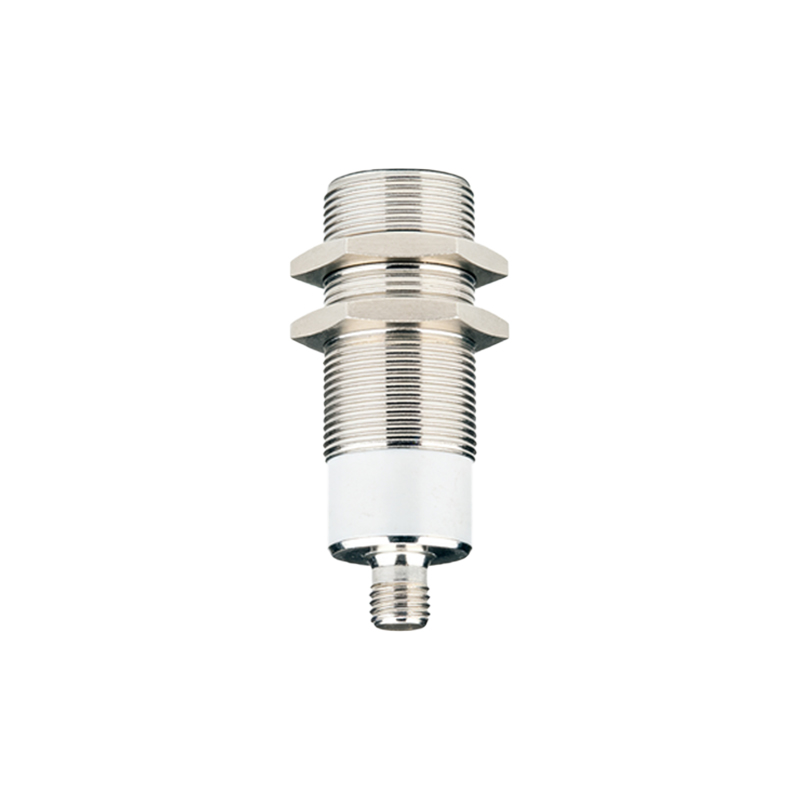
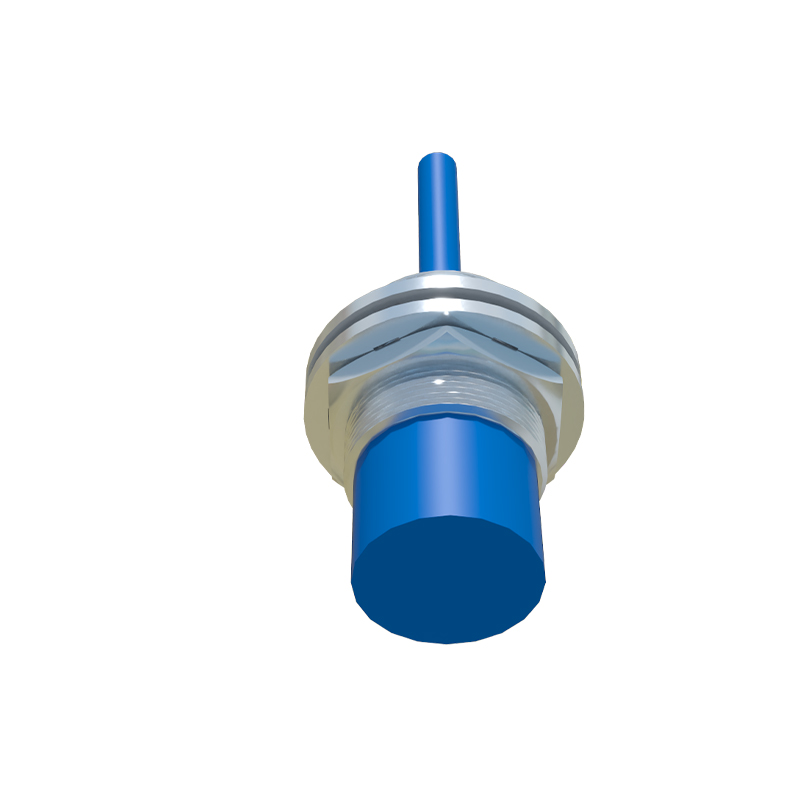
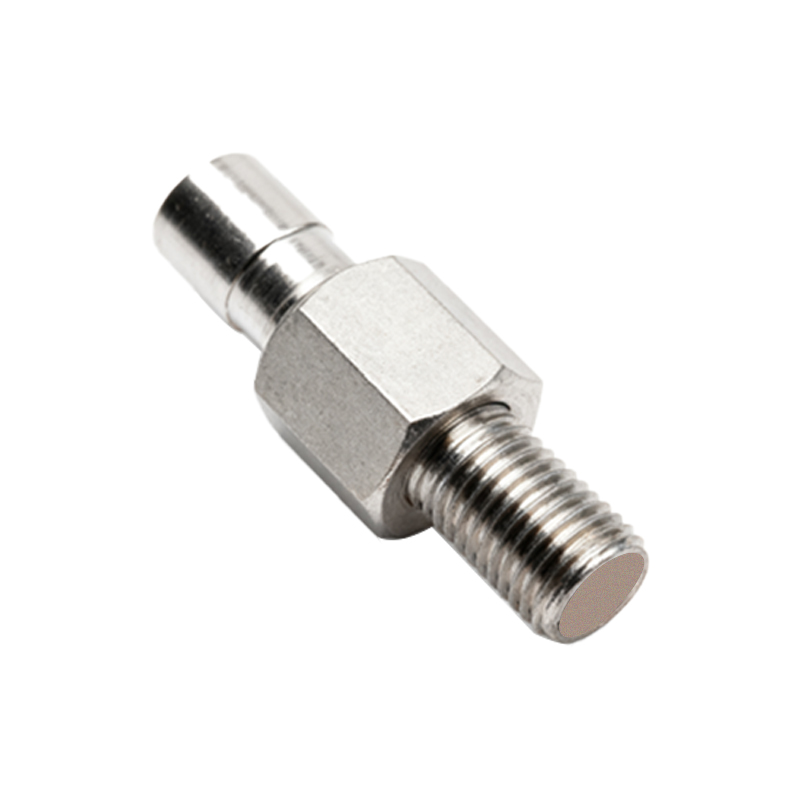
A proximity sensor is a non-contact electronic device designed to detect the presence or absence of an object within its sensing range without physical contact. It operates by emitting an electromagnetic field or a beam of electromagnetic radiation (such as infrared light) and then monitoring for changes in the field or return signal. The primary output of a proximity sensor is an electrical signal, typically a switching signal (ON/OFF) or an analog value proportional to distance. Common types include inductive sensors (for detecting metals), capacitive sensors (for detecting both metals and non-metals), and photoelectric sensors. Their key function is to provide feedback to a control system, such as a Programmable Logic Controller (PLC), indicating a part's position, verifying a process step, or counting objects. They are known for high reliability, fast response times, and long service life due to the absence of moving parts that make physical contact.
In stark contrast, a cylinder is a mechanical actuator that converts energy (typically compressed air or hydraulic fluid) into linear or rotary motion. It is a core component of pneumatic or hydraulic systems. A basic linear cylinder consists of a piston, piston rod, and a cylindrical barrel. When pressurized fluid is introduced into one side of the piston, it creates a force, causing the piston and rod to move in a straight line. This mechanical motion is used to push, pull, lift, or clamp objects in an automated process. The cylinder itself does not provide any feedback about its position; it simply executes a movement command from a directional control valve. To know the cylinder's position (extended or retracted), external devices—very often proximity sensors—are mounted on the cylinder body to detect the position of the piston.
The fundamental difference lies in their core nature: a proximity sensor is a sensing and signaling device, while a cylinder is an actuating and motion-producing device. One provides information (sensor), and the other performs physical work (actuator). They are frequently used together in a complementary fashion. For instance, in a machine that sorts packages, a cylinder might extend to push a package off a conveyor belt. A proximity sensor would be positioned to detect when the cylinder has fully retracted, signaling the system that it is safe to move the next package into position. This synergy is the backbone of sequential control in automation.
Selection criteria for each component are based on entirely different parameters. For a proximity sensor, key considerations include: sensing distance, target material (metal, plastic, liquid), output type (PNP/NPN, analog), switching frequency, environmental factors (temperature, washdown conditions), and housing style. For a cylinder, critical factors are: bore size (determining force), stroke length, operating medium (air or oil), pressure rating, mounting style, and whether a magnetic piston is included (to enable detection by magnetic proximity sensors). Cost structures also differ; sensors are electronic components with associated circuitry, while cylinders are mechanical assemblies whose cost scales with size and precision.
In summary, while both are housed in industrial environments and are vital for automation, confusing their roles can lead to significant design errors. A proximity sensor is the "eye" of the operation, providing critical data to the control brain. A cylinder is the "arm" or "muscle," executing physical tasks. The most efficient automated systems are those where the right sensor is perfectly paired with the right actuator, ensuring precise, reliable, and intelligent motion control. Engineers must specify each based on its unique performance characteristics to build robust and efficient automated solutions.