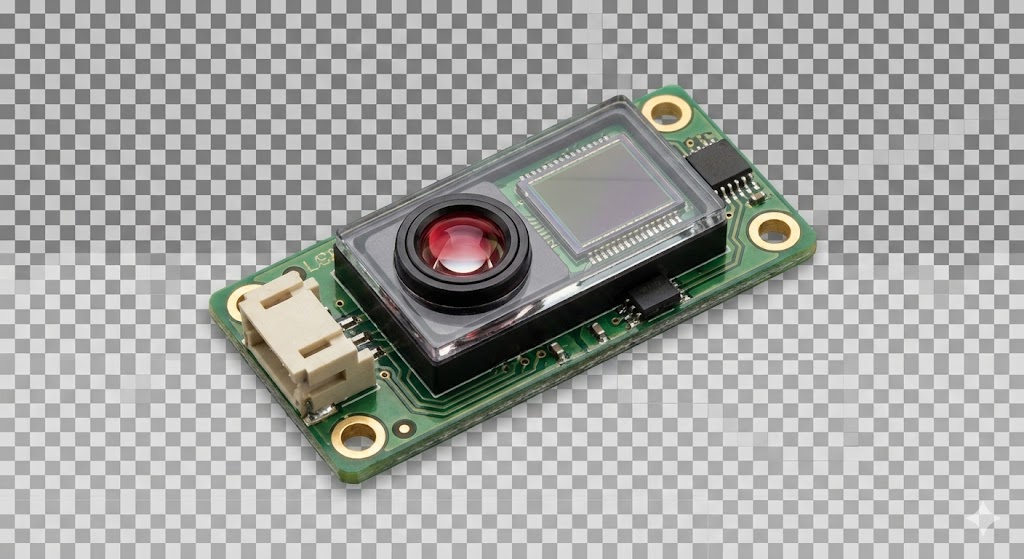
Laser photoelectric sensors represent a cornerstone technology in modern industrial automation, offering unparalleled precision, speed, and reliability for a vast array of detection and measurement tasks. Unlike traditional mechanical or other optical sensors, these devices utilize a focused, coherent beam of laser light to interact with target objects. This fundamental characteristic grants them significant advantages in performance and application scope.
At its core, a laser photoelectric sensor operates by emitting a laser beam from a transmitter. This beam is directed towards a target. Depending on the sensor's operating mode, it detects changes in the light's properties. The three primary operating modes are through-beam, retro-reflective, and diffuse-reflective. In through-beam (or opposed) mode, the transmitter and receiver are separate units. The laser beam travels from the transmitter to the receiver. An object is detected when it interrupts this beam. This mode offers the longest sensing distances and highest reliability, as it is largely immune to the object's color, surface finish, or angle. Retro-reflective mode uses a single housing containing both emitter and receiver, along with a specialized reflector. The sensor detects an object when it blocks the beam reflected back from the reflector. It provides a good balance of range and ease of installation. Diffuse-reflective (or proximity) mode also employs a single unit. Here, the sensor detects light that is reflected directly off the target object itself. While sensing distance is shorter and can be influenced by the object's color and surface, this mode simplifies installation as only one device needs to be mounted.
The laser light source is a key differentiator. Common types include visible red lasers, which aid in alignment, and Class 1 or Class 2 lasers that are eye-safe for typical industrial use. More advanced sensors may use infrared lasers for specific material properties or to avoid ambient light interference. The focused nature of the laser beam enables the detection of extremely small objects, precise edge detection, and accurate positioning. For instance, sensors can be configured with a precise "spot size" and can employ background suppression or foreground suppression techniques to ignore objects beyond or before a set distance, respectively.
Applications for laser photoelectric sensors are extensive and critical across industries. In manufacturing and packaging, they are indispensable for object detection on high-speed conveyor lines, part counting, bottle cap presence verification, and label detection. In the automotive sector, they ensure precise robot guidance, weld seam tracking, and component assembly verification. The electronics industry relies on them for wafer handling, micro-component placement, and PCB board positioning. Furthermore, they are vital in logistics for parcel dimensioning, in food and beverage for fill level control, and in material handling for precise palletizing and depalletizing.

Selecting the appropriate laser photoelectric sensor requires careful consideration of several parameters. First, define the application's fundamental need: simple presence detection, precise positioning, or accurate measurement? Next, consider the sensing distance required and the physical characteristics of the target object—its size, color, material, and surface texture (shiny, matte, transparent). Environmental conditions are paramount; factors like dust, fog, steam, ambient light (sunlight or factory lighting), and temperature extremes can affect performance. Sensors with robust housings (e.g., IP67, IP69K ratings), specialized filters, and high ambient light immunity are essential for harsh environments. Output type (e.g., NPN/PNP discrete, analog, IO-Link) must match the control system input. Finally, features like adjustable sensing range, teach-in functionality for easy setup, and built-in diagnostics can greatly enhance usability and reduce downtime.
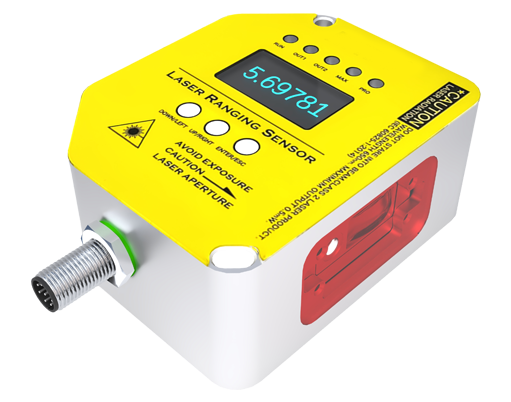
In conclusion, laser photoelectric sensors are powerful and versatile tools that drive efficiency and quality in automated processes. Their ability to provide fast, non-contact, and highly accurate detection makes them irreplaceable in the Industry 4.0 landscape. A thorough understanding of their operating principles, application strengths, and selection criteria empowers engineers and technicians to deploy these sensors effectively, solving complex detection challenges and optimizing system performance. As technology advances, we can expect further miniaturization, increased intelligence with integrated analytics, and even greater precision from these fundamental components of the smart factory.