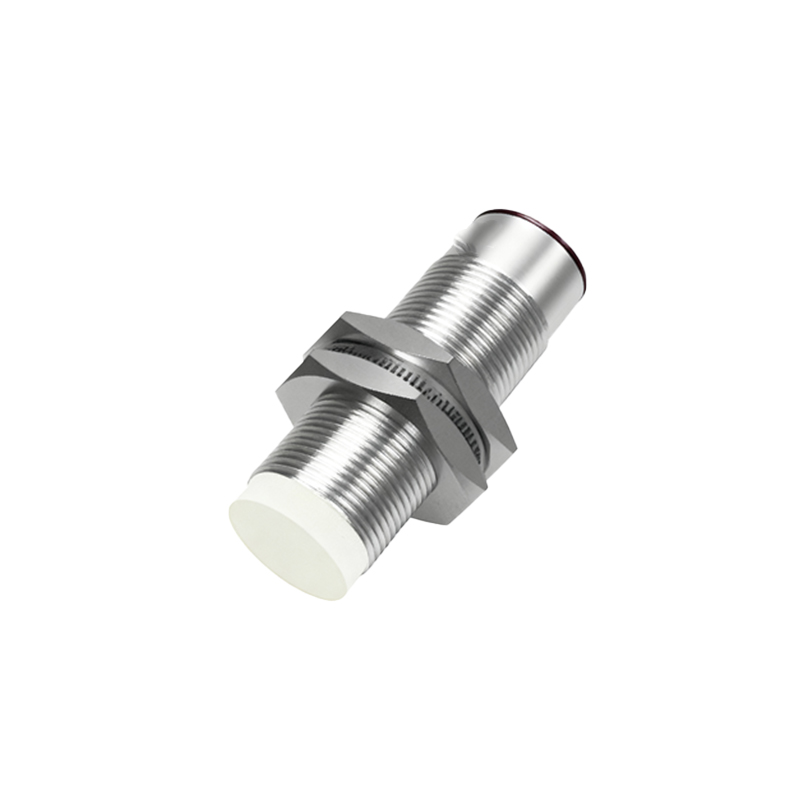
Inductive proximity sensors are non-contact electronic devices that detect the presence of metallic objects without physical contact. Operating on the principle of electromagnetic induction, these sensors generate an oscillating electromagnetic field from a coil. When a metallic target enters this field, eddy currents are induced on the target's surface, causing a change in the oscillation amplitude. The sensor's internal circuit detects this change and triggers a solid-state output signal. This fundamental working principle makes them exceptionally reliable, durable, and suitable for harsh industrial environments where dust, oil, and vibration are prevalent.
One of the most prominent applications is in position sensing and object detection on automated production lines. They are extensively used to confirm the presence or absence of components, such as verifying if a metal part is correctly seated in a fixture before a machining operation begins. For instance, in automotive assembly, these sensors ensure engine blocks or brake discs are in the correct position for robotic welding or assembly. Their high switching frequency allows them to detect objects moving at very high speeds, making them ideal for counting small metal parts on high-speed conveyor belts.
In the realm of machine safety and limit control, inductive proximity sensors play a critical role. They are employed as end-of-travel limit switches in automated machinery like CNC machines, packaging equipment, and material handling systems. By detecting the position of a moving part, such as a robotic arm or a linear actuator, they prevent over-travel and potential mechanical damage. Their non-contact nature eliminates the wear and tear associated with mechanical limit switches, significantly reducing maintenance downtime.
Another vital application is in rotary speed and motion monitoring. When paired with a gear or a rotor with metallic teeth, an inductive sensor can accurately measure rotational speed. As each tooth passes the sensor face, it generates a pulse. By counting these pulses per unit of time, the system can calculate RPM. This is crucial in monitoring motor speeds, conveyor belt drives, and turbine operations, providing essential data for process control and preventive maintenance.
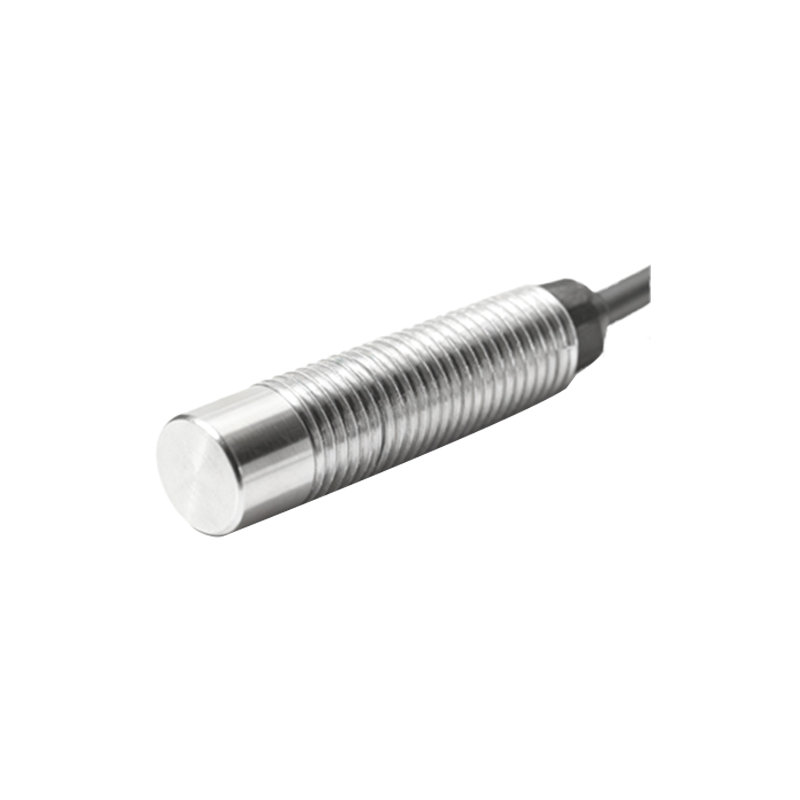
Metal detection and sorting systems also heavily rely on these sensors. In recycling plants, inductive sensors can differentiate between metallic and non-metallic materials on a conveyor, triggering pneumatic arms to separate ferrous and non-ferrous metals. Similarly, in the food and pharmaceutical industries, they are used in metal detection systems on packaging lines to ensure no metal contaminants are present in the final product, although the primary detection is often done by other specialized sensors, inductive sensors aid in the ejection mechanism.
The robustness of inductive proximity sensors makes them perfect for harsh environment applications. Sealed in rugged housings (often IP67, IP68, or IP69K rated), they perform reliably in metalworking shops with coolant and chips, in washdown areas in food processing, and in outdoor applications. They are immune to ambient light, dirt, and moisture—factors that often plague optical sensors. Their ability to detect only metallic objects also makes them immune to false triggers from non-metallic debris.
When selecting an inductive proximity sensor for an application, several key factors must be considered: the target material (steel, aluminum, copper), the required sensing distance (which is typically shorter for non-ferrous metals), the operating temperature range, the electrical output type (PNP/NPN, NO/NC), and the housing shape (barrel, rectangular, or ring-shaped). Proper installation is also critical; maintaining the correct mounting distance and ensuring the target approaches the sensor face correctly are essential for reliable operation.
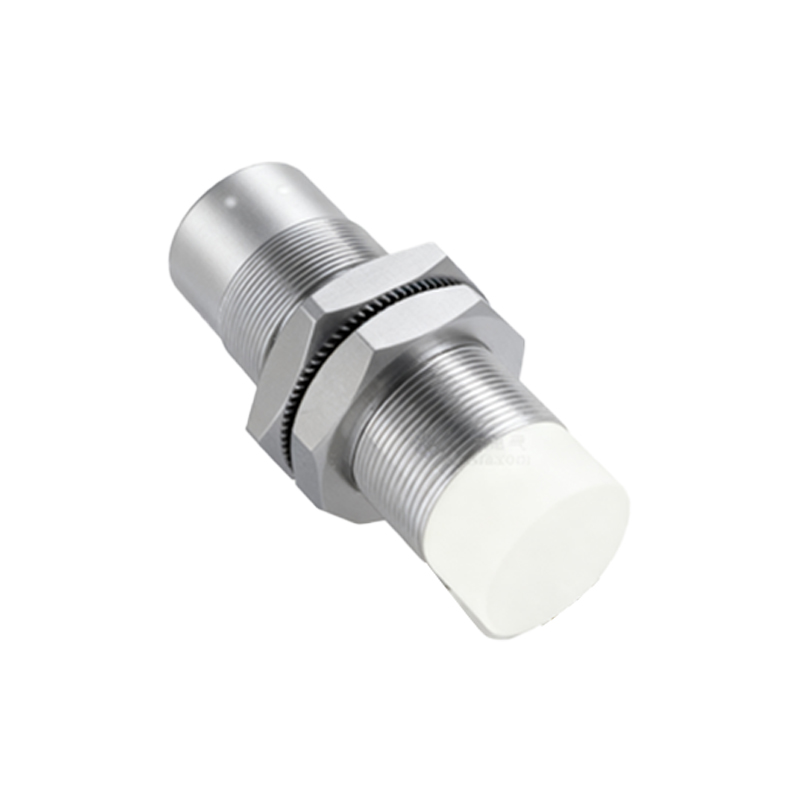
In conclusion, the versatility, reliability, and durability of inductive proximity sensors have cemented their status as a fundamental component in modern industrial automation. From ensuring precise positioning and safeguarding machinery to enabling high-speed counting and operating in extreme conditions, their applications are vast and critical to achieving efficient, safe, and continuous production. As Industry 4.0 and smart manufacturing evolve, these sensors continue to integrate with digital networks, providing valuable diagnostic data and contributing to the interconnected, data-driven factory of the future.