In the realm of industrial automation and control systems, proximity sensors are indispensable components. They detect the presence or absence of objects without physical contact, ensuring reliability, precision, and longevity in harsh environments. For engineers, procurement specialists, and maintenance teams, the question of where to source these critical devices is paramount. A poor purchasing decision can lead to system downtime, compatibility issues, and increased total cost of ownership. This guide outlines the best channels and key considerations for procuring high-quality proximity sensors.
Primary Procurement Channels:
1. Direct from Manufacturers: Purchasing directly from established sensor manufacturers is often the preferred route for large-scale or specialized projects. Companies like Siemens, Omron, Schneider Electric, Rockwell Automation (Allen-Bradley), and Pepperl+Fuchs offer comprehensive technical support, detailed datasheets, application engineering assistance, and full traceability. This channel guarantees genuine products, access to the latest technological iterations, and often, volume-based pricing. It is ideal for OEMs (Original Equipment Manufacturers) and system integrators with defined, long-term requirements.
2. Authorized Distributors and Stocking Partners: For most industrial buyers, authorized distributors represent the optimal balance of availability, technical support, and cost. Major global and regional distributors like Digi-Key, Mouser, RS Components, Allied Electronics, and Grainger, along with specialized industrial automation distributors, maintain extensive inventories. They provide local stock for rapid delivery, pre-sales technical consultation, and logistical flexibility. Buying from authorized channels ensures warranty validity and protects against counterfeit components, a significant risk in the industrial sector.
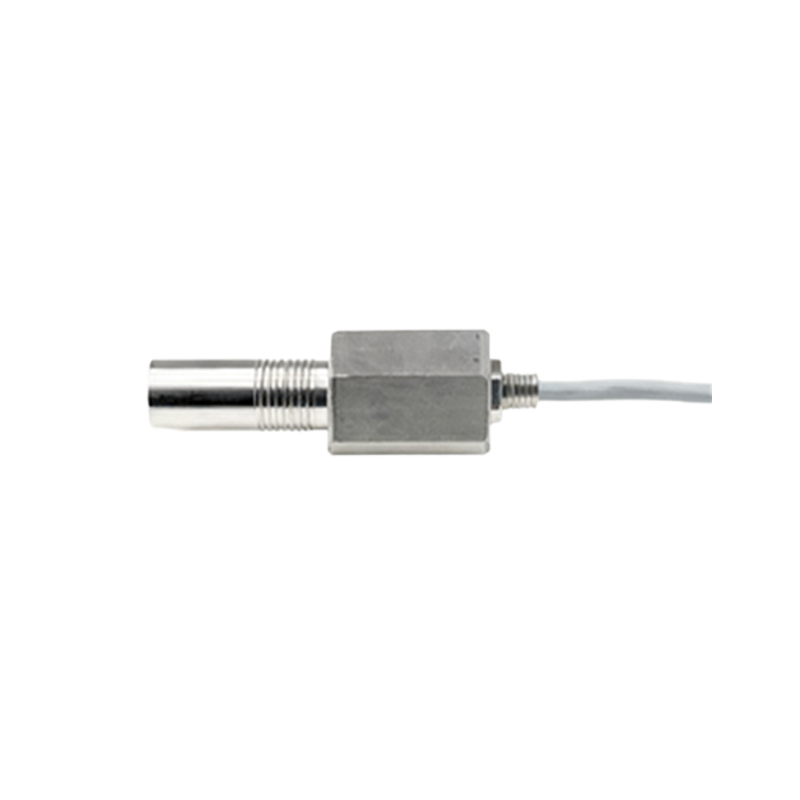
3. Online Marketplaces and E-commerce Platforms: The rise of B2B e-commerce has transformed industrial procurement. Platforms like Amazon Business, eBay Business, and specialized industrial marketplaces offer convenience and competitive pricing. However, caution is essential. Verify seller ratings, ensure they are authorized resellers, and scrutinize product listings for authenticity. This channel can be suitable for prototyping, small-batch orders, or sourcing older or discontinued models, but due diligence is critical to avoid substandard or fake sensors.
4. System Integrators and Value-Added Resellers (VARs): For complex automation projects, partnering with a system integrator or VAR can be advantageous. They not only supply the sensors but also handle the integration, programming, and commissioning. They possess application-specific expertise and can recommend the optimal sensor type (inductive, capacitive, ultrasonic, photoelectric) for your unique environment, whether it involves metal detection, liquid level sensing, or position control.
Key Technical and Commercial Considerations Before Purchase:
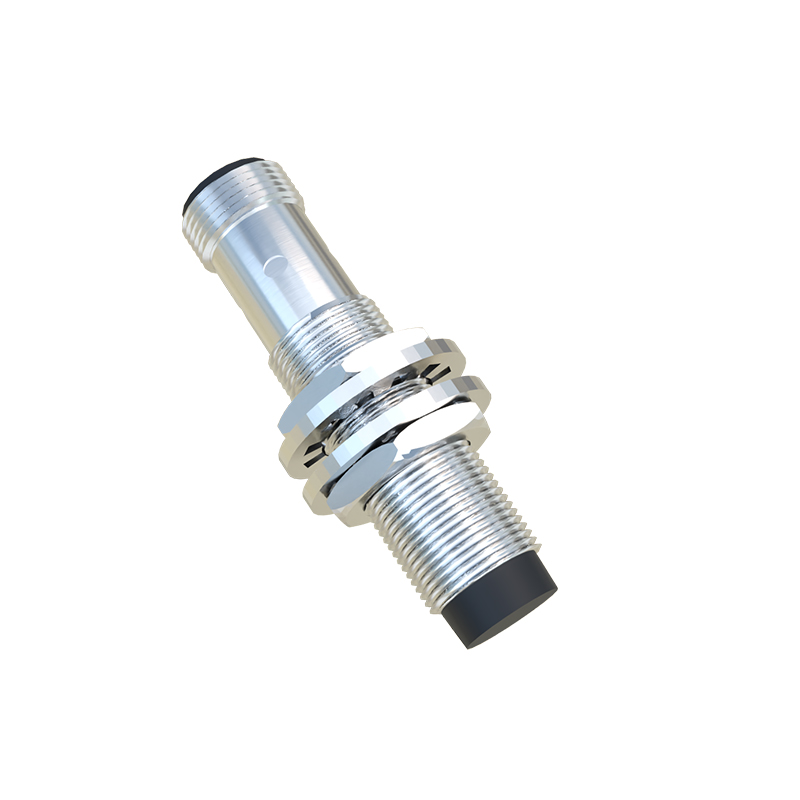
Sensor Specifications: Meticulously review the datasheet for sensing distance (rated and actual), output type (PNP/NPN, analog, IO-Link), housing material (stainless steel, nickel-plated brass, PBT), protection rating (IP67, IP69K), and operating temperature range. Ensure compatibility with your PLC (Programmable Logic Controller) input cards.
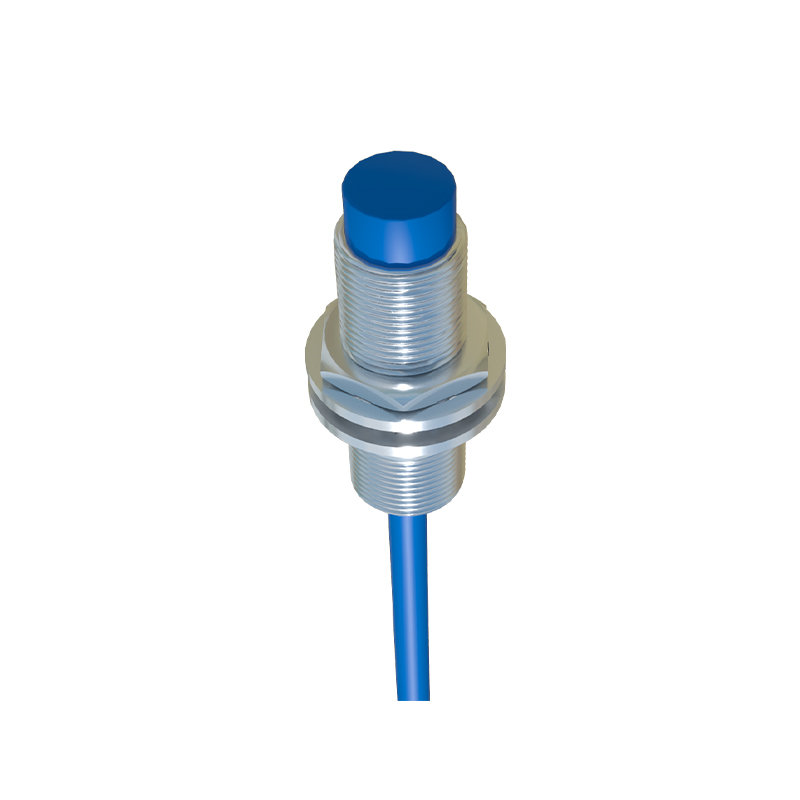
Environmental Factors: Consider the operational environment. Will the sensor be exposed to welding spatter, cutting fluids, extreme temperatures, or heavy washdowns? Choose models with appropriate coatings, housing materials, and ingress protection.
Supply Chain and Logistics: Evaluate the supplier's lead times, inventory levels, and shipping options. For maintenance and repair operations (MRO), local stock availability for critical sensors can drastically reduce machine downtime.
Total Cost of Ownership (TCO): Look beyond the initial unit price. Factor in longevity, mean time between failures (MTBF), ease of replacement, and the cost of potential production stoppages. A slightly more expensive, highly reliable sensor from a reputable source often offers a lower TCO.
Technical Support and Documentation: Access to accurate technical documentation, CAD models for mechanical design, and responsive application support is invaluable during both the design and troubleshooting phases.
In conclusion, the optimal source for proximity sensors depends on the project's scale, urgency, technical complexity, and budget. For mission-critical industrial applications, prioritizing supply chain integrity and technical support from manufacturers or their authorized distributors is non-negotiable. Establishing relationships with reliable suppliers is an investment in operational stability. Always cross-reference part numbers, request samples for testing in your actual application, and prioritize suppliers who demonstrate a deep understanding of industrial automation challenges. A strategic approach to procurement safeguards your systems' performance and your bottom line.