In the realm of industrial automation and advanced machinery, high-precision proximity sensors are indispensable components, enabling non-contact detection of objects with exceptional accuracy and reliability. As an electrical engineer with extensive field experience, I often encounter inquiries regarding the pricing of these sophisticated devices. The cost of a high-precision proximity sensor is not a single figure but a composite influenced by multiple technical and market factors. This article delves into the key elements that determine their price, providing insights for procurement and application planning.
Firstly, the core technology and sensing principle significantly impact the price. Inductive, capacitive, and ultrasonic proximity sensors each serve distinct purposes. Inductive sensors, ideal for metal detection, are generally more affordable but may lack the precision needed for specialized applications. Capacitive sensors, capable of detecting non-metallic materials, often command a higher price due to their complex circuitry and calibration requirements. Ultrasonic sensors, offering long-range and material-independent detection, are typically the most expensive, given their advanced signal processing and environmental compensation features. High-precision variants, regardless of type, incorporate enhanced components like stable oscillators, noise-resistant amplifiers, and temperature-compensated circuits, which elevate manufacturing costs.
Secondly, performance specifications directly correlate with price. Critical parameters such as sensing distance, repeat accuracy, response time, and resolution define a sensor's capability. For instance, a sensor with a sub-micron repeat accuracy and millisecond-level response time will be priced substantially higher than a standard model with millimeter accuracy. Additionally, factors like housing material (e.g., stainless steel for harsh environments), ingress protection (IP) ratings (e.g., IP67 or IP69K for dust and water resistance), and compliance with industry standards (e.g., IEC, UL, or ATEX for explosive atmospheres) add to the cost. These features ensure durability and safety in demanding settings, justifying the premium.
Thirdly, brand reputation and supply chain dynamics play crucial roles. Established manufacturers like Pepperl+Fuchs, Omron, or Sick invest heavily in research and development, quality control, and after-sales support, which is reflected in their pricing. While their sensors may be costlier, they offer proven reliability and technical assistance, reducing downtime risks. Conversely, generic or lesser-known brands might provide lower-priced options, but potential compromises in consistency or longevity could lead to higher total cost of ownership. Market fluctuations in raw materials (e.g., rare-earth metals for coils) and global logistics also influence prices, making them variable over time.
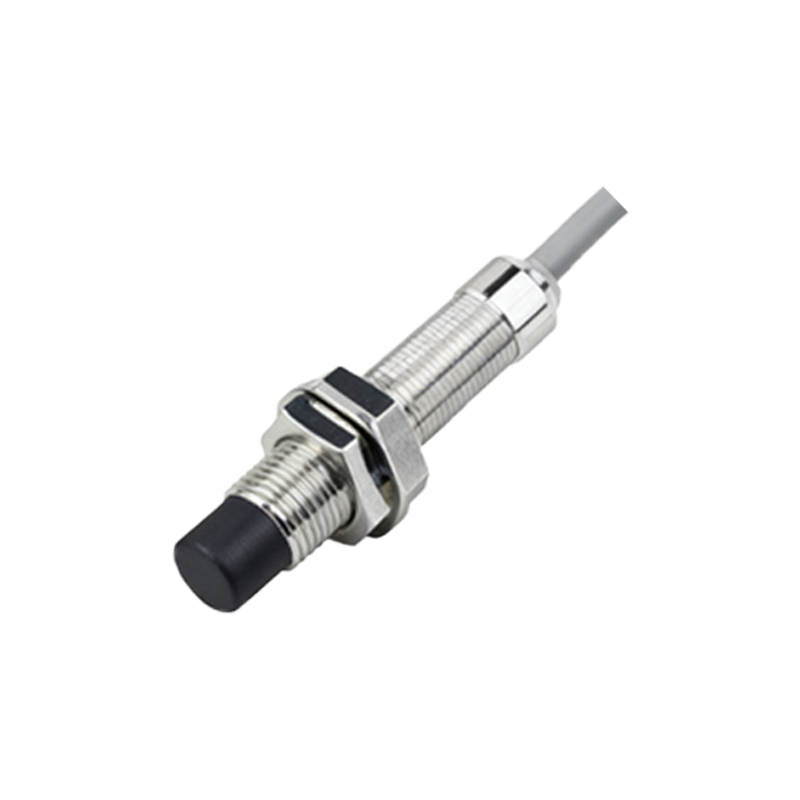
Moreover, customization and integration requirements can escalate costs. Off-the-shelf sensors are economical for common applications, but specialized needs—such as unique form factors, custom output signals (e.g., IO-Link or analog variants), or tailored firmware—incur additional engineering and production expenses. Integration with existing systems may necessitate accessories like mounting brackets, cables, or interface modules, further affecting the overall investment.
In summary, the price of a high-precision proximity sensor is a multifaceted consideration, balancing technology, performance, durability, and support. For engineers and procurement specialists, evaluating total cost of ownership—including maintenance, calibration, and potential downtime—is essential rather than focusing solely on upfront price. Selecting the right sensor involves aligning technical requirements with budget constraints, ensuring optimal performance and longevity in industrial applications. As automation evolves, investing in quality sensors can enhance efficiency and safety, ultimately yielding long-term benefits.