In the dynamic industrial landscape of Macau, the maintenance and upgrading of automation components like proximity sensors are critical for ensuring operational efficiency and safety. Proximity sensors, as non-contact detection devices, play a pivotal role in various sectors, including manufacturing, gaming equipment maintenance, and building automation. This guide provides a comprehensive technical overview of the replacement process, considerations for sensor selection, and best practices tailored to Macau's unique operational environment.
The decision to replace a proximity sensor often stems from factors such as sensor failure, technological obsolescence, or the need for enhanced performance specifications. Common indicators for replacement include inconsistent detection, physical damage from environmental exposure, or output signal drift. In Macau's humid subtropical climate, sensors are particularly susceptible to moisture ingress and corrosion, making the choice of housing material (e.g., stainless steel or PBT plastic) and ingress protection (IP) rating a primary consideration. A minimum IP67 rating is generally recommended for most industrial applications to withstand occasional washdowns and high humidity.
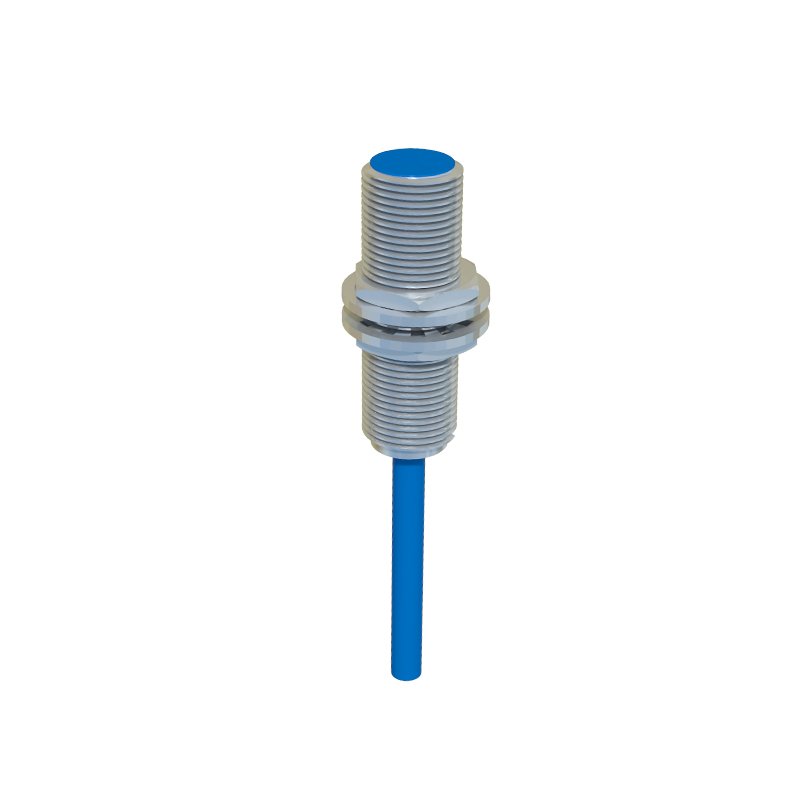
When selecting a replacement sensor, engineers must first verify the electrical characteristics of the existing system. This includes determining the required sensing distance, output type (PNP/NPN, NO/NC), supply voltage (commonly 10-30V DC), and connection method (pre-wired connector or terminal). Inductive sensors are typically used for metal object detection, while capacitive sensors are suitable for non-metallic materials—a relevant factor in facilities handling diverse materials. The physical size and mounting style (threaded barrel, rectangular) must match the existing fixture to avoid mechanical redesign.
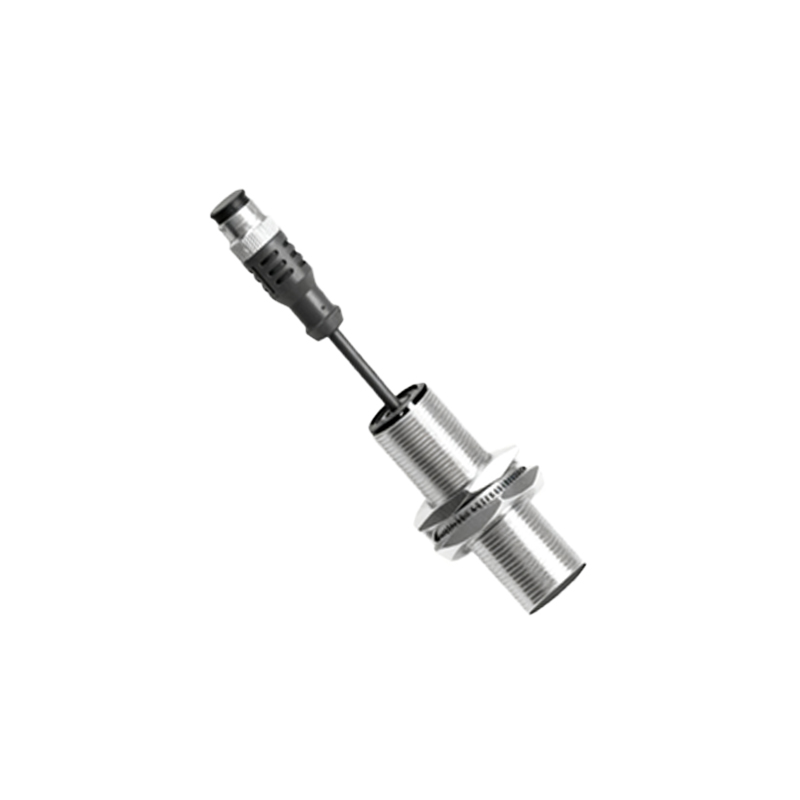
The replacement procedure begins with a strict lockout-tagout (LOTO) protocol to de-energize the control circuit, ensuring technician safety. After removing the faulty sensor, inspect the mounting area for corrosion or misalignment. Install the new sensor, ensuring proper gasket seating if present, and tighten to the specified torque to prevent damage. Wiring must adhere to the manufacturer's diagram; incorrect polarity or mixing of output types can damage the sensor or PLC input module. Following connection, gradually power the system and test the sensor's detection range using a target material. Fine-tuning may be necessary to achieve the optimal sensing distance, avoiding false triggers from background metals or vibration.
Post-installation, documenting the replacement—including sensor model, date, and calibration settings—is essential for future maintenance. In Macau's integrated resorts and precision manufacturing sites, minimizing downtime is paramount. Therefore, keeping an inventory of critical spare sensors, standardized by model, can expedite replacements. Additionally, leveraging modern sensors with diagnostic LED indicators or IO-Link communication can facilitate predictive maintenance, alerting technicians to potential issues before failure occurs.
Ultimately, a successful proximity sensor replacement in Macau hinges on meticulous planning, adherence to technical specifications, and an understanding of the local operational demands. By prioritizing robust, climate-appropriate components and rigorous installation practices, electrical engineers can significantly enhance system reliability and longevity, supporting Macau's continuous industrial and technological advancement.