In the realm of industrial automation, the selection of sensing technology is pivotal for ensuring precision, reliability, and efficiency. Two prominent technologies, vision sensors and laser sensors, each offer distinct advantages and are suited to specific applications. This article provides a comparative analysis of these sensors, exploring their operational principles, key features, and optimal use cases to guide engineers in making informed decisions.
Vision sensors, essentially sophisticated cameras integrated with processing software, capture two-dimensional images of objects. They analyze these images to extract information such as presence, orientation, dimensions, and surface defects. Modern vision systems leverage high-resolution CMOS or CCD sensors and are powered by advanced algorithms for pattern matching, optical character recognition (OCR), and blob analysis. A significant strength of vision sensors is their ability to gather a vast amount of data from a single snapshot. For instance, they can inspect multiple features on a complex assembly—like verifying label placement, checking seal integrity, and reading serial numbers—simultaneously. This makes them exceptionally versatile for quality inspection tasks on production lines for electronics, pharmaceuticals, and packaged goods. Their non-contact nature prevents part wear, and they can handle a wide variety of shapes and colors. However, their performance can be influenced by ambient lighting conditions, requiring careful setup of controlled illumination to ensure consistency and accuracy.
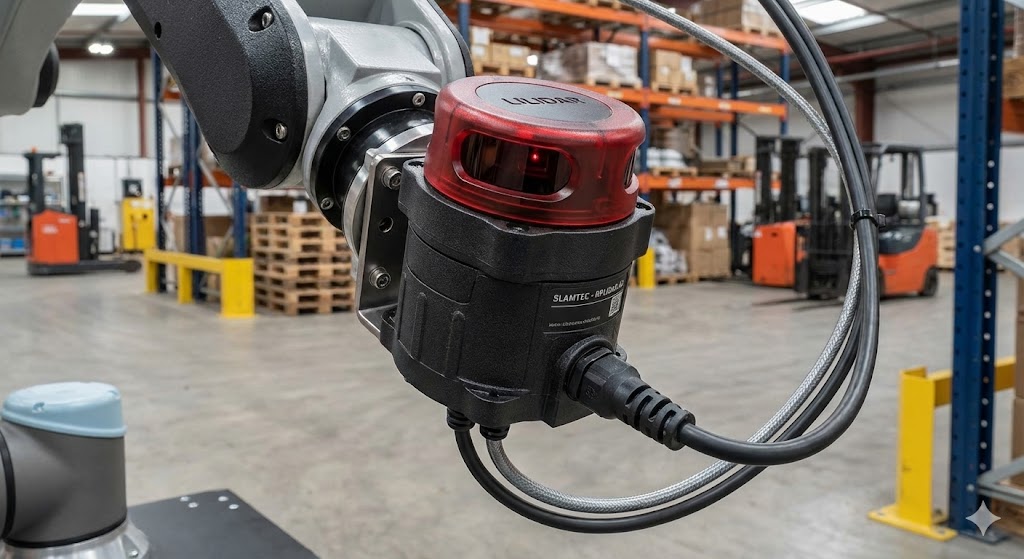
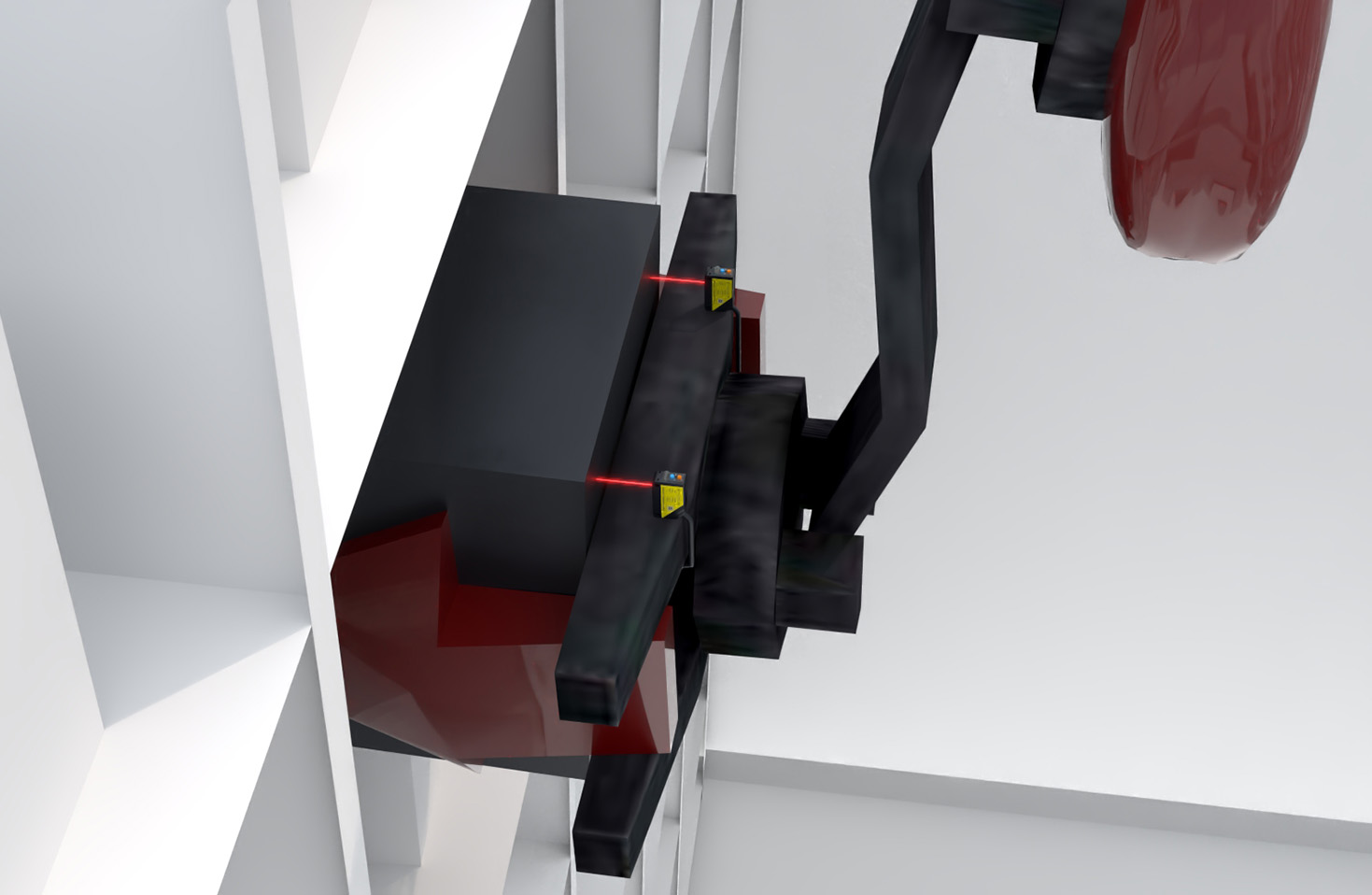
In contrast, laser sensors operate on the principle of emitting a focused beam of light—typically laser—and measuring the properties of the reflected beam. The most common types are laser distance sensors (using triangulation or time-of-flight principles) and laser profile sensors. They provide highly accurate, one-dimensional measurements of distance, height, thickness, or displacement with micron-level precision. Laser profile sensors, or line lasers, project a line onto a target and use a camera to capture the deformation of that line, creating a detailed 3D profile of the object's contour. This technology excels in applications demanding extreme precision and speed, such as measuring the gap between automotive body panels, verifying the coplanarity of semiconductor leads, or monitoring the thickness of rolled metals in real-time. Laser sensors are largely immune to ambient light interference and can perform reliably in challenging environments with dust or vapor, provided the laser window remains clean. Their limitation lies in typically measuring a single point or profile at a time, making them less suited for holistic, multi-feature inspection compared to 2D vision.
The choice between vision and laser sensors often hinges on the specific application requirements. For tasks centered on identification, completeness checks, or high-level dimensional gauging across a large field of view, 2D vision sensors are often the optimal and more cost-effective solution. They provide a comprehensive "eyes" for the system. Conversely, when the application demands ultra-precise measurement of a specific geometric feature, depth mapping, or inspection of shiny or transparent surfaces where vision may struggle, laser sensors are unparalleled. Increasingly, the most advanced automation solutions employ a hybrid approach, integrating both technologies. A laser profile sensor might first generate a precise 3D map of an object, which is then used to guide a vision system's inspection of surface details, combining the strengths of both worlds.
In conclusion, both vision sensors and laser sensors are indispensable tools in the modern industrial toolkit. Vision sensors offer broad, qualitative inspection capabilities, while laser sensors deliver focused, quantitative metrology. Understanding their core functionalities, strengths in precision versus comprehensiveness, and environmental considerations is crucial for engineers designing robust automated systems. The ongoing evolution in processing power, sensor fusion, and AI-driven analysis promises to further blur the lines between these technologies, leading to even more intelligent and adaptive sensing solutions for the factories of the future.