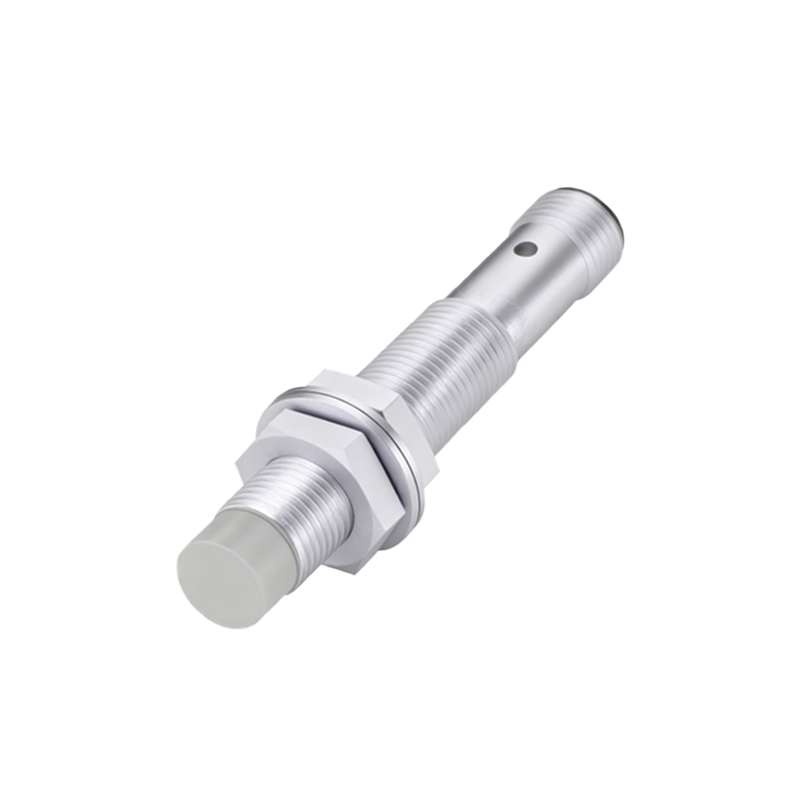
In the realm of industrial automation, robotics, and smart devices, proximity sensors play a pivotal role. Among the various parameters used to evaluate and specify these sensors, the PS value stands out as a critical metric. This article delves into the concept of the proximity sensor PS value, explaining its significance, how it is determined, and its practical implications for system design and performance.
At its core, a proximity sensor is a device that detects the presence or absence of an object within a certain range without physical contact. It does so by emitting an electromagnetic field or a beam of electromagnetic radiation and looking for changes in the field or return signal. The PS value, often found in technical datasheets, is intrinsically linked to this detection capability. While the exact nomenclature can vary between manufacturers, 'PS' commonly refers to a standardized performance characteristic, such as the 'Point of Switch' or the 'Practical Sensing' distance.
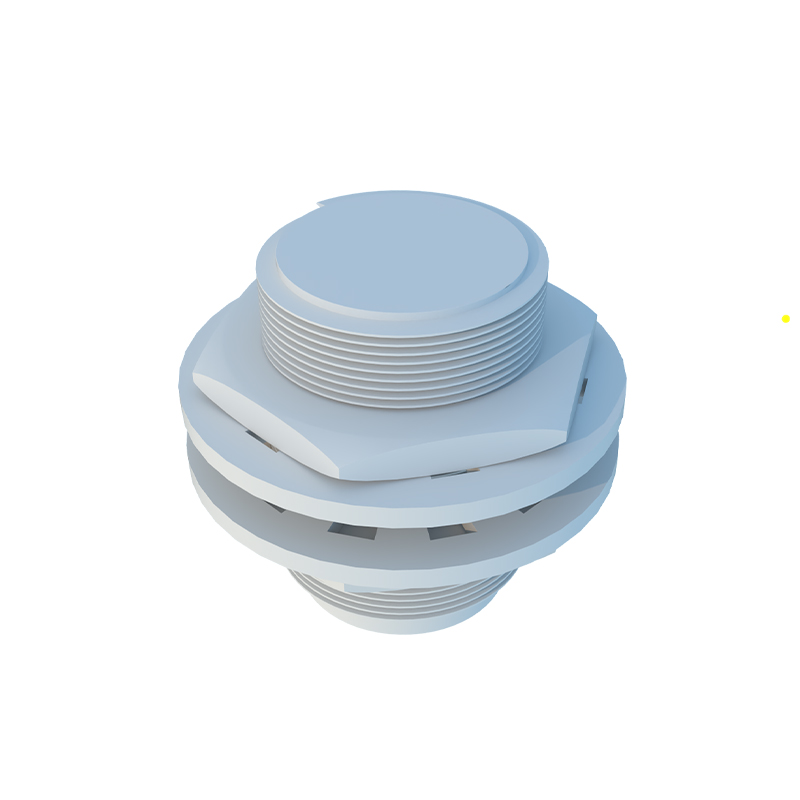
The PS value essentially defines the reliable operating point of the sensor. It is not merely the maximum distance at which a sensor can theoretically detect an object. Instead, it represents a guaranteed sensing distance under specified standard conditions, accounting for factors like the sensor's hysteresis, temperature drift, and supply voltage variations. For instance, a sensor with a PS value of 10mm will consistently detect a standard target when it enters this 10mm range and will reliably indicate its absence when the target moves beyond this range (plus a small reset distance due to hysteresis). This reliability is paramount in applications like assembly line counting, position verification in machinery, or safety door monitoring, where false triggers or missed detections can lead to process failures or hazardous situations.
Several key factors influence the PS value of a proximity sensor. The most obvious is the sensor's technology. Inductive sensors, used for detecting metals, have a PS value that depends on the type and size of the metal target (often standardized as a square of mild steel of a specific thickness). Capacitive sensors, capable of detecting various materials including liquids and plastics, have a PS value influenced by the dielectric constant of the target material and environmental humidity. Ultrasonic and photoelectric sensors have PS values dependent on the target's reflectivity and environmental conditions like dust or fog.
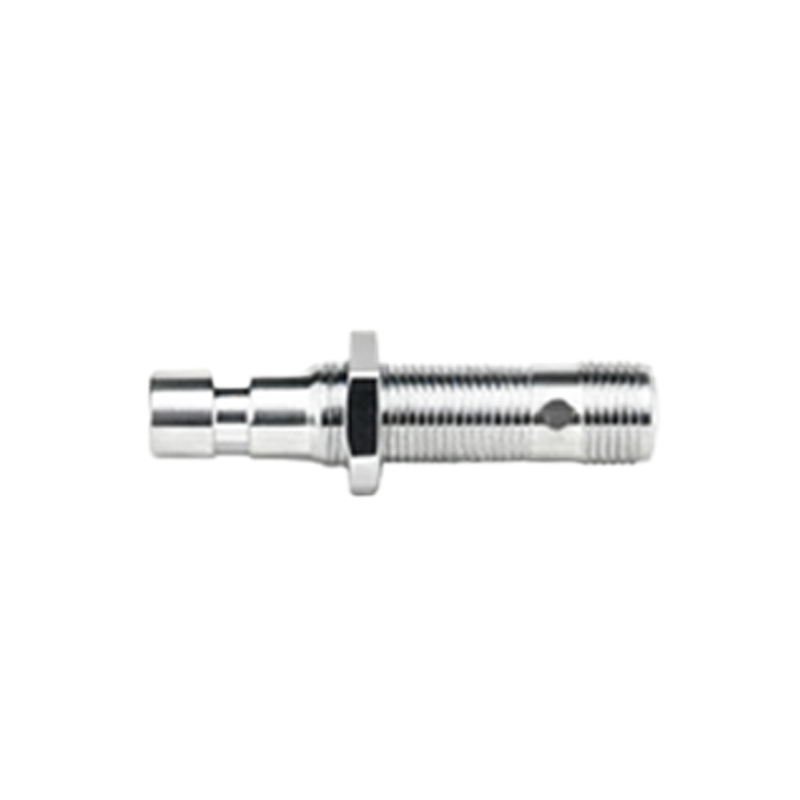
Furthermore, the PS value is not a fixed number under all circumstances. It is typically rated for a nominal operating voltage and an ambient temperature of 20-25°C. Deviations from these conditions can affect the actual sensing performance. High temperatures can reduce the effective sensing distance, while voltage fluctuations might impact the output signal stability. Therefore, understanding the PS value requires consulting the sensor's derating curves provided in the datasheet, which show how the value changes with temperature and voltage.
When integrating a proximity sensor into a system, the PS value is a fundamental design parameter. Engineers must select a sensor whose PS value is appropriate for the mechanical layout. A common best practice is to use only 60-80% of the rated PS value for the actual installation. This 'derating' provides a safety margin to compensate for real-world variables such as target material variations, alignment tolerances, sensor aging, and environmental contaminants. For example, if an object needs to be detected at 8mm, choosing a sensor with a PS value of 12mm and installing it to trigger at approximately 9mm ensures robust and fail-safe operation over the product's lifetime.
In conclusion, the PS value is far more than a simple distance specification on a datasheet. It is a comprehensive indicator of a proximity sensor's reliable operational envelope under defined conditions. By thoroughly understanding what the PS value represents—accounting for technology, environmental factors, and necessary safety margins—designers and technicians can make informed selections. This ensures the creation of automated systems and devices that are not only functional but also durable, safe, and efficient, ultimately leading to higher reliability and lower maintenance costs in industrial and consumer applications.