Proximity sensors are the unseen workhorses of modern technology, silently enabling countless interactions in our daily lives. While technical specifications are crucial, sometimes a picture truly is worth a thousand words. This visual guide explores the diverse world of proximity sensor applications through the lens of real-world imagery, showcasing where and how these devices operate.
In industrial automation, images reveal the critical role of inductive proximity sensors. Photographs from manufacturing assembly lines show cylindrical metal sensors mounted on robotic arms, positioned mere millimeters from metallic components. These sensors provide the precise "yes/no" feedback needed for robotic positioning, part detection, and automated quality control. In harsh environments, images often depict sensors with heavy-duty housings, shielded from metal chips, coolants, and physical impact, highlighting their robustness.
The automotive sector offers a rich visual tapestry of sensor use. High-resolution images under car bumpers showcase ultrasonic sensors, typically small, disc-like units, used for parking assistance systems. Inside the vehicle, detailed shots illustrate how capacitive proximity sensors are integrated beneath the surface of infotainment screens or center consoles, creating sleek, touchless interfaces for volume control or menu selection. Thermal imaging photos can even reveal the activation zones of in-cabin occupancy sensors designed for safety systems.
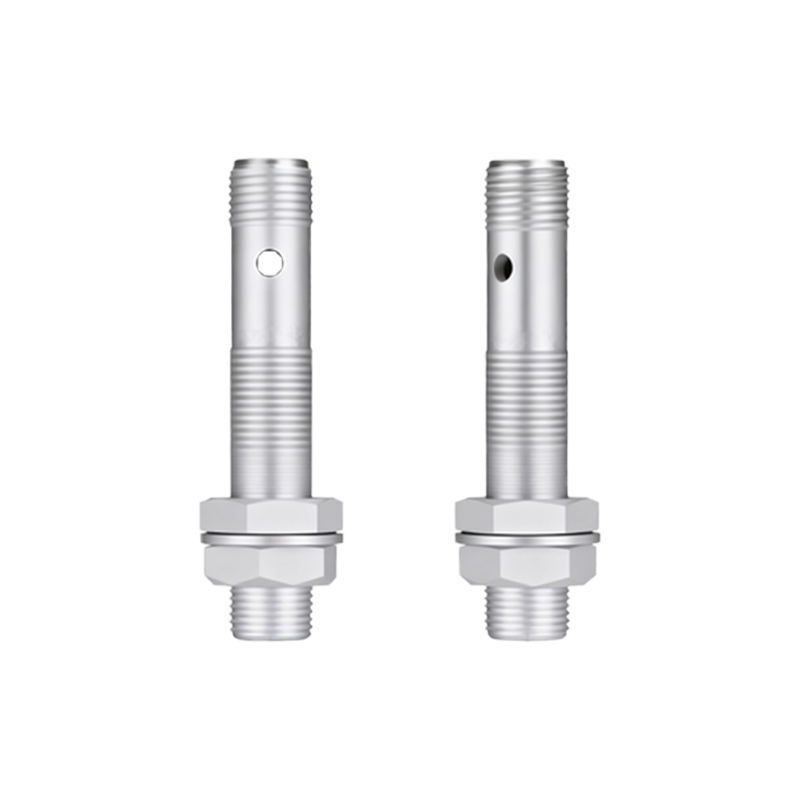
Consumer electronics provide the most familiar visual examples. Macro photographs of smartphone top bezels display the tiny, almost invisible infrared (IR) LED and receiver that constitute the proximity sensor. These images often show the sensor's location next to the earpiece, explaining how it detects a user's face during a call to disable the touchscreen. Similarly, images of laptops show IR sensors embedded near the webcam, enabling features like wake-on-approach or user presence detection.
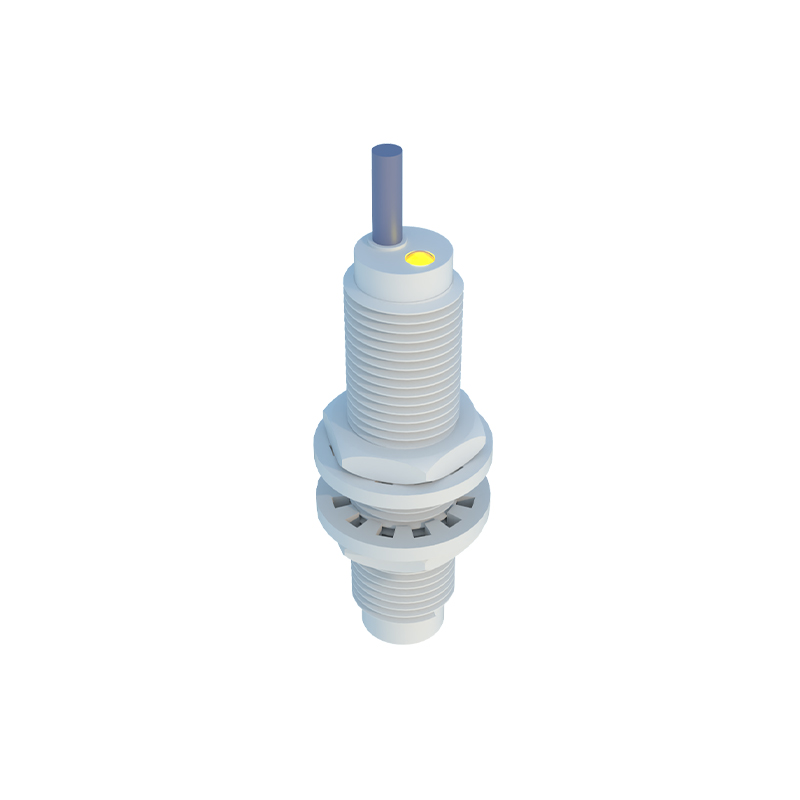
In the realm of retail and public spaces, application images often feature larger-scale installations. Photoelectric sensors, with their separate emitter and receiver units, are visible in images of automatic sliding doors. Security system diagrams use icons to show how arrays of passive infrared (PIR) motion sensors create detection grids in rooms. Interactive kiosk advertisements sometimes use cutaway images to demonstrate how embedded sensors detect a person's approach to trigger content.
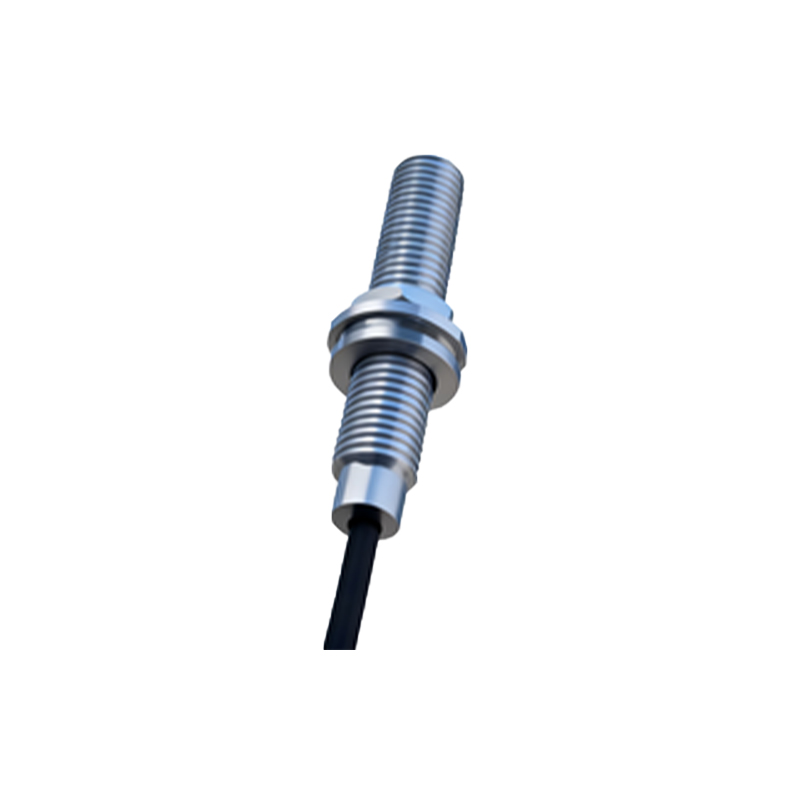
Agricultural and food processing applications present unique visual contexts. Images in wash-down areas show sensors with polished stainless steel housings and high IP ratings, designed to withstand frequent cleaning. Photos from grain silos or level monitoring systems illustrate how ultrasonic or radar sensors are mounted at the top of tanks, their non-contact nature preventing contamination and handling abrasive materials safely.
Emerging applications offer compelling new imagery. In smart homes, installation guides show how miniature sensors are discreetly placed under countertops or behind mirrors to activate lighting. Medical equipment brochures feature images of capacitive sensors enabling touchless controls on diagnostic devices, promoting hygiene. Drone footage even reveals how LiDAR sensors, a form of advanced optical proximity sensing, map terrain by emitting pulsed laser light.
Analyzing these application images reveals common visual themes: the importance of form factor, mounting style, and environmental sealing. The contrast between a tiny surface-mount device on a circuit board and a large, ruggedized unit on a factory machine tells a story about application requirements. Wiring diagrams and connection schematics often accompany installation photos, providing context on how the sensor integrates into a larger system.
These visuals serve not only as documentation but as powerful tools for engineers, designers, and students. They bridge the gap between abstract data sheets and tangible implementation, offering insights into mounting clearances, alignment techniques, and potential interference sources that text alone cannot convey. By studying application images, one gains a practical understanding of sensing ranges, beam patterns, and the physical interaction between the sensor and its target.
The evolution of sensor technology is also captured in imagery. Side-by-side comparisons show the miniaturization trend, from bulky tubular designs to compact, M12-style housings. Cross-sectional diagrams illustrate the internal components of different sensor types, from the coil of an inductive sensor to the piezoelectric crystal of an ultrasonic sensor. This visual documentation is invaluable for education and innovation.
In conclusion, proximity sensor application images form a vital visual library that complements technical literature. They document the translation of electronic principles into functional solutions across every sector of industry and commerce. From the factory floor to the smartphone in your hand, these pictures tell the silent story of an automated, responsive, and increasingly intelligent world built on the simple act of detection without touch.