In the demanding world of precision metrology and industrial automation, laser trackers have become indispensable tools for large-scale 3D coordinate measurement and alignment. The heart of these sophisticated systems is the laser tracker sensor, a highly sensitive optical-electronic component that captures the reflected laser beam from a retroreflector target. Ensuring the longevity and consistent accuracy of this sensor is paramount, as its performance directly impacts measurement reliability, project timelines, and overall operational costs. This guide delves into the primary threats to laser tracker sensors and outlines robust, practical protection strategies tailored for industrial settings.
The operating environment poses the most significant challenge. Airborne contaminants are a pervasive enemy. Industrial facilities often contain particulate matter such as dust from machining, grinding, or construction; metal shavings; and abrasive powders. When these particles settle on the sensor's optical window or internal components, they can scatter or absorb the laser beam, leading to measurement noise, reduced signal strength, and potential systematic errors. More insidious are oily mists or aerosols present in manufacturing areas, which can coat optical surfaces with a thin, difficult-to-remove film that drastically attenuates the laser signal. A dedicated, positive-pressure air purge system is the first line of defense. By supplying a continuous flow of clean, dry, and filtered air into the sensor housing, this system creates an outward pressure that prevents contaminants from entering. The air source must be properly filtered to at least 5 microns, and ideally, include a coalescing filter to remove oil and moisture. Regular maintenance of these filters is non-negotiable.
Temperature fluctuations and thermal shock represent another critical threat. Laser tracker sensors are calibrated to operate within a specified temperature range, typically around 20°C ± a few degrees. Sudden changes in ambient temperature—such as those caused by opening large bay doors, proximity to HVAC vents, or seasonal shifts—can cause thermal expansion or contraction of mechanical and optical components. This leads to drift in measurement data as the system's internal geometry changes. Prolonged operation outside the recommended range can cause permanent calibration shifts. Environmental control is essential. Whenever possible, operate the laser tracker in a climate-controlled room. If the measurement must be performed on the shop floor, allow the tracker to acclimate to the environment for several hours before use. Using thermal insulating blankets or shrouds around the tracker base and sensor head can buffer against rapid ambient changes. Monitoring the internal sensor temperature via the tracker's software provides valuable data to identify and compensate for thermal effects.
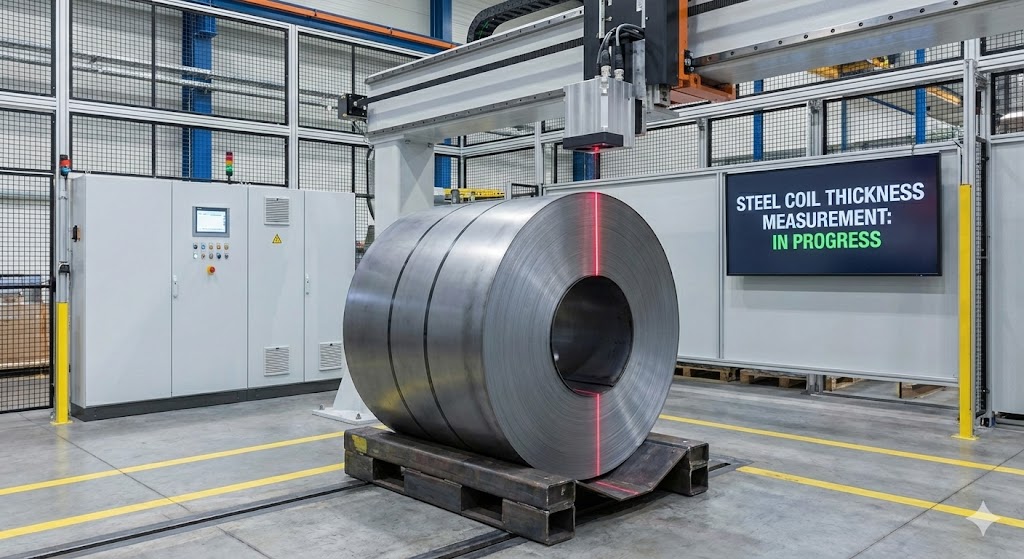
Physical impact and vibration, though often overlooked, are constant risks in active industrial spaces. Bumps from passing equipment, accidental contact by personnel, or transmission of floor vibrations from heavy machinery can misalign sensitive internal optics or loosen mechanical fittings. Even minor misalignments can translate into significant measurement errors over long distances. The most effective protection is a combination of procedural and physical safeguards. Establish clear, marked work zones around the laser tracker during operation. Use sturdy, stable tripods or monument mounts that are isolated from floor vibrations. When the tracker is not in use, always employ the manufacturer-provided transit case, which is specifically designed with custom foam inserts to cushion the sensor and its delicate components from shocks during transport or storage. Regular geometric checks and reverification routines are crucial to detect any drift caused by latent physical shock.
Finally, the threat from the laser beam's path itself must be managed. While the outgoing laser is typically low-power and eye-safe, the return path from the retroreflector can be interrupted by people, equipment, or moving machinery, causing frequent beam breaks. While this doesn't damage the sensor, it halts data collection and reduces efficiency. More dangerously, introducing a highly reflective surface (like a metal sheet or mirror) into the beam path near the sensor can reflect a concentrated beam directly back into the sensor's aperture, potentially damaging the sensitive detection circuitry. Operator training is the key mitigation. All personnel working near an active laser tracker must understand the "zone of operation" and the importance of maintaining a clear line of sight. Using barrier tape or safety cones to define the measurement volume can prevent accidental intrusions. For dynamic measurements in congested areas, consider using protective beam tubes or shrouds that guard the immediate path of the laser near the sensor head.
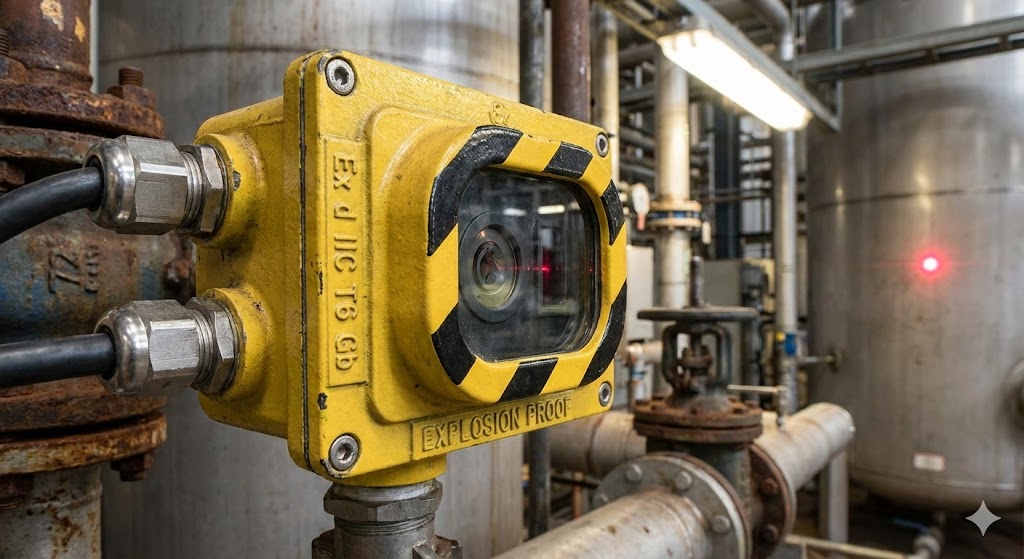
A comprehensive protection strategy is not merely about hardware accessories; it is an integrated approach combining environmental management, standardized operating procedures, and diligent maintenance. By implementing positive-pressure air purges, controlling thermal exposure, guarding against physical shocks, and training personnel on beam safety, organizations can shield their critical laser tracker sensors from harm. This proactive investment in protection maximizes equipment uptime, safeguards measurement integrity, and ensures a high return on investment from these precision capital assets. Consistent sensor care translates directly into reliable data, which is the foundation of quality control, efficient assembly, and successful project execution in modern industry.
