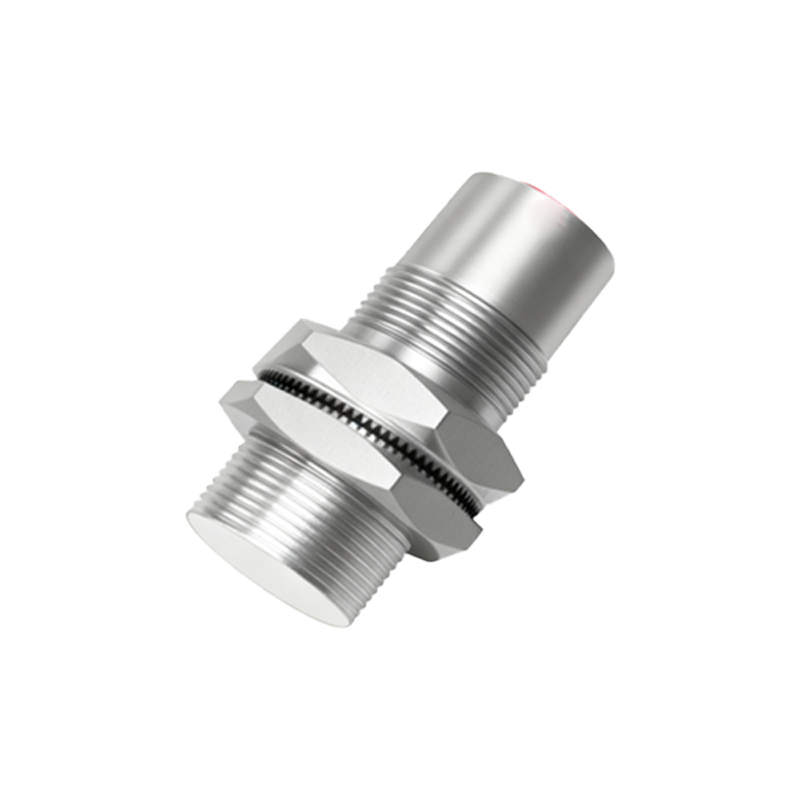
Proximity sensors with cables are integral components in modern industrial automation, offering reliable detection of objects without physical contact. These sensors are widely used in manufacturing, robotics, packaging, and automotive industries due to their durability, precision, and ease of integration. Based on their sensing technology, they can be categorized into several types, each suited for specific applications and environments.
Inductive proximity sensors are among the most common types. They generate an electromagnetic field to detect metallic objects, such as steel, aluminum, or copper. These sensors are ideal for harsh industrial settings because they are resistant to dust, moisture, and vibrations. Typical applications include position sensing in machinery, part counting on conveyor belts, and safety interlocks. They usually come with PVC or PUR cables for flexible installation and are available in various housing materials like nickel-plated brass or stainless steel to withstand corrosive conditions.
Capacitive proximity sensors can detect both metallic and non-metallic materials, including liquids, plastics, and wood. They work by measuring changes in capacitance when an object enters their electrostatic field. This makes them versatile for tasks like level detection in tanks, material handling, and packaging lines. Cables attached to these sensors often feature shielding to minimize electrical interference, ensuring stable performance in noisy environments. Models with adjustable sensitivity allow fine-tuning for different materials and distances.
Ultrasonic proximity sensors use sound waves to detect objects, regardless of their material composition. They emit high-frequency ultrasonic pulses and measure the time taken for echoes to return, calculating distance accurately. These sensors are excellent for challenging conditions involving transparent, shiny, or irregularly shaped objects. Applications include palletizing, obstacle detection in automated guided vehicles (AGVs), and fill-level control. Cables for ultrasonic sensors are typically designed to handle signal transmission over long distances without degradation, with options for analog or digital outputs.
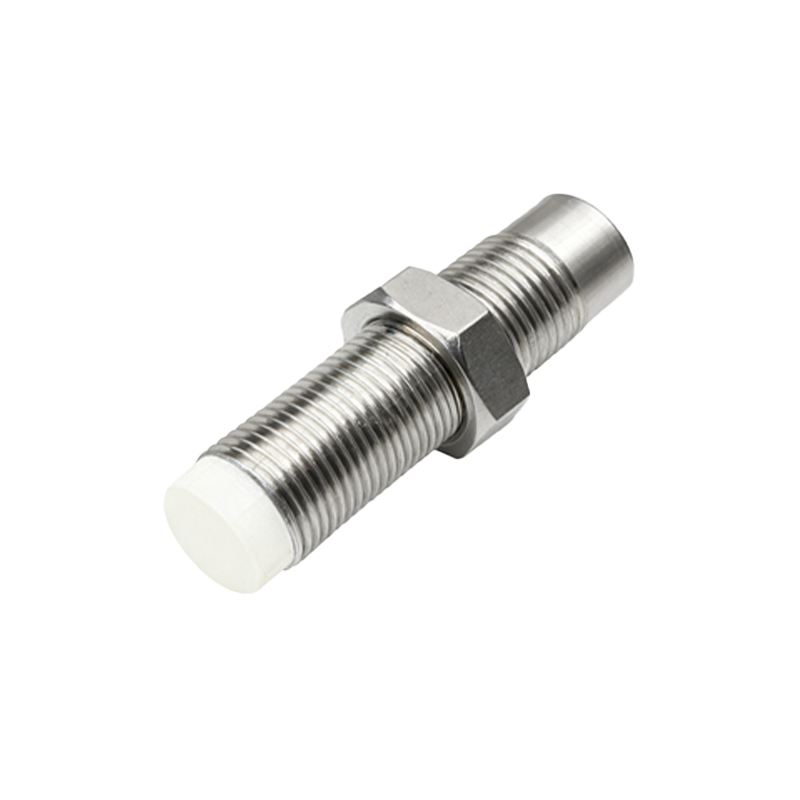
Magnetic proximity sensors detect permanent magnets, commonly used in cylinder position sensing or door closure systems. They are simple, cost-effective, and highly reliable in environments with extreme temperatures or contaminants. The cables are often integrated with connectors for quick installation in control panels or mobile equipment.
Photoelectric proximity sensors utilize light beams to detect objects. They come in through-beam, retro-reflective, and diffuse reflection types, offering long sensing ranges and high speed. These sensors are perfect for detecting small or transparent items on production lines. Cables for photoelectric sensors may include multiple cores for power supply, output signals, and diagnostic functions, with robust jackets to protect against abrasion and chemicals.
When selecting a proximity sensor with a cable, factors like sensing range, output type (e.g., NPN, PNP, analog), environmental resistance (IP ratings), and cable length must be considered. Proper installation and maintenance ensure longevity and accuracy, supporting efficient automation processes. Overall, these sensors enhance operational safety and productivity across diverse industries.