Proximity sensors are widely used in industrial automation, robotics, and safety systems for detecting the presence or absence of objects without physical contact. A common question among engineers and technicians is whether the sensing distance of these sensors can be adjusted. The answer is yes, but it depends on the type of proximity sensor and its design features.
Proximity sensors primarily fall into categories such as inductive, capacitive, ultrasonic, and photoelectric sensors. Each type operates on different principles, which influence adjustability. Inductive proximity sensors, for instance, detect metallic objects using electromagnetic fields. Many models come with a potentiometer or digital interface that allows users to fine-tune the sensing range. This adjustment is crucial in applications where precise detection is needed, such as in conveyor systems or machine tool positioning. However, the adjustable range is limited by the sensor's specifications, typically within 10-20% of its nominal sensing distance.
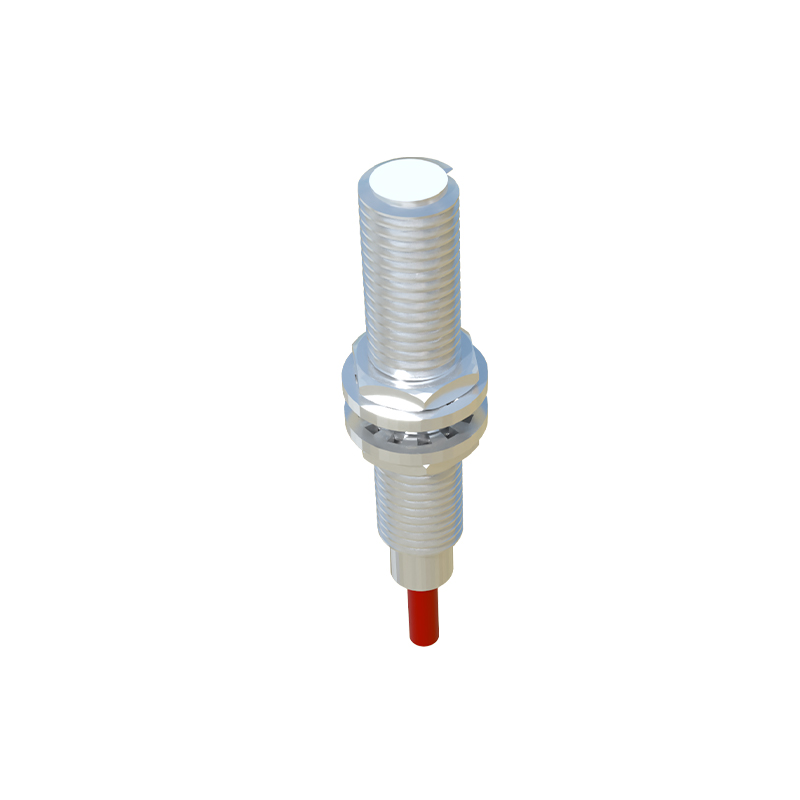
Capacitive proximity sensors, which can detect both metallic and non-metallic materials, often include sensitivity adjustments. By turning a screw or using a configuration tool, operators can modify the sensor's response to different materials and environmental conditions. This flexibility makes capacitive sensors suitable for liquid level detection or packaging lines where material properties vary.
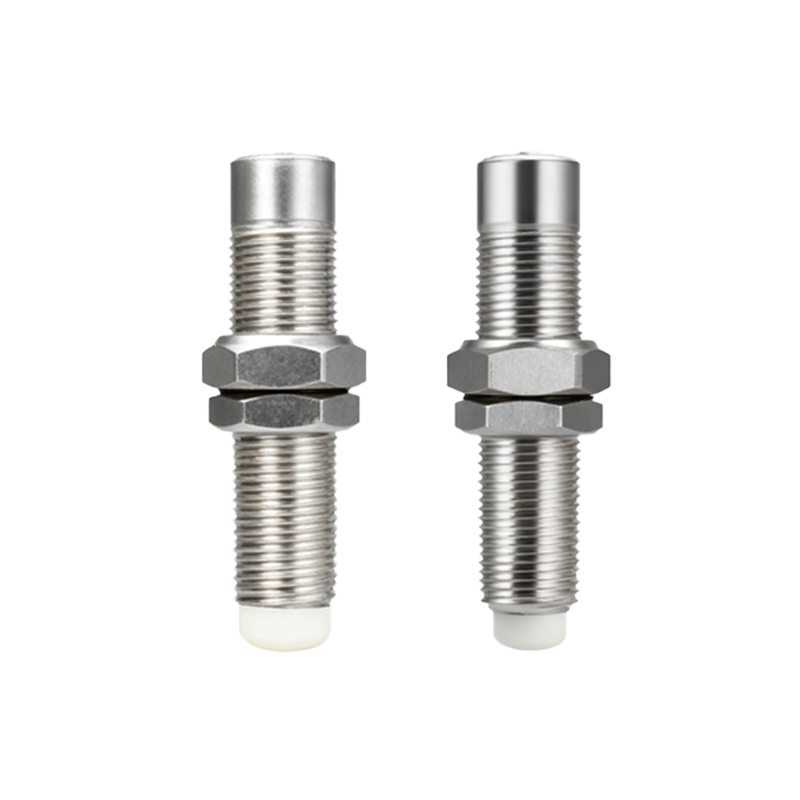
Ultrasonic proximity sensors use sound waves to measure distance and are highly adjustable. They often feature programmable settings via software or hardware interfaces, enabling users to set specific detection thresholds. This adjustability is beneficial in complex applications like automated guided vehicles (AGVs) or storage systems, where distance accuracy is critical.
Photoelectric sensors, which rely on light beams, may offer adjustable sensing distances through lens focus or built-in potentiometers. Some advanced models even allow for teach-in functions, where the sensor learns the detection point by pressing a button. This feature simplifies setup in dynamic environments like material handling or assembly lines.
Despite these capabilities, there are limitations. Environmental factors such as temperature, humidity, and electromagnetic interference can affect sensor performance, even with adjustments. Additionally, over-adjusting may lead to false triggers or reduced reliability. Therefore, it's essential to follow manufacturer guidelines and perform regular calibration.
In practice, adjusting proximity sensors involves understanding the application requirements and sensor specifications. For example, in a safety system, sensors might be set to a conservative range to ensure compliance with standards like ISO 13849. In contrast, in a manufacturing line, maximizing detection distance could improve efficiency.
Modern proximity sensors increasingly incorporate smart features like IO-Link or analog outputs, providing more precise control over distance settings. These technologies enable remote adjustment and monitoring, enhancing integration with industrial IoT systems.
In summary, most proximity sensors allow for distance adjustment to some extent, but the method and range vary by type. Proper adjustment ensures optimal performance, reduces downtime, and extends sensor lifespan. Engineers should consider factors like target material, environmental conditions, and application needs when configuring these devices.