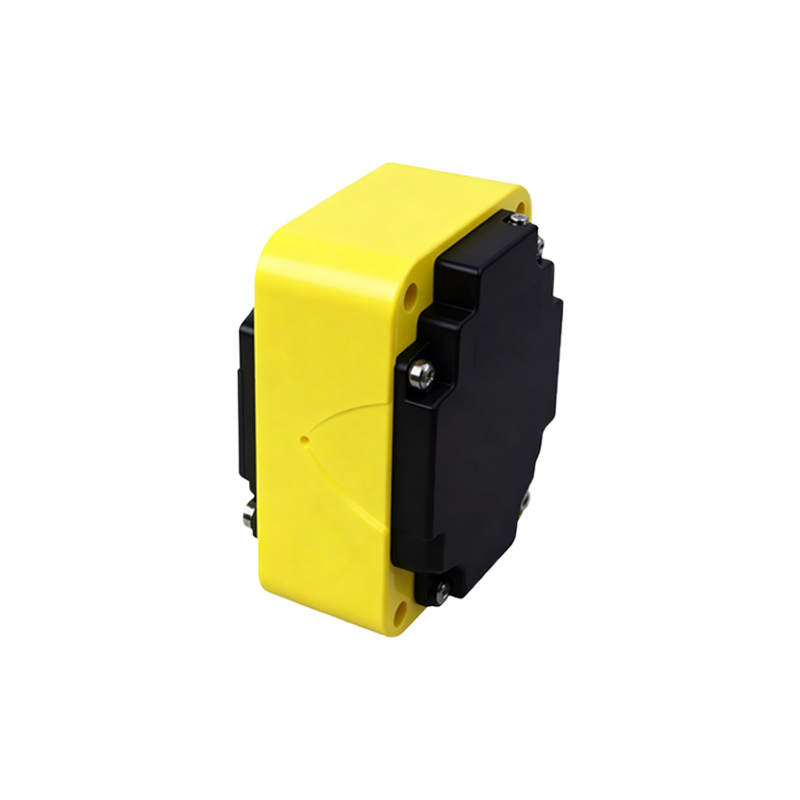
In the world of industrial automation, proximity sensors are the unsung heroes, providing critical non-contact detection for countless applications. From assembly lines and robotic arms to packaging machinery and safety systems, their reliability directly impacts productivity and operational costs. A common and crucial question for engineers, procurement specialists, and plant managers is: "How much does a high-quality proximity sensor cost?" The answer is rarely a single figure. The price of a premium proximity sensor is a complex equation, influenced by a multitude of technical, application-specific, and commercial factors. Understanding these variables is key to making an informed investment that balances upfront cost with long-term value and total cost of ownership.
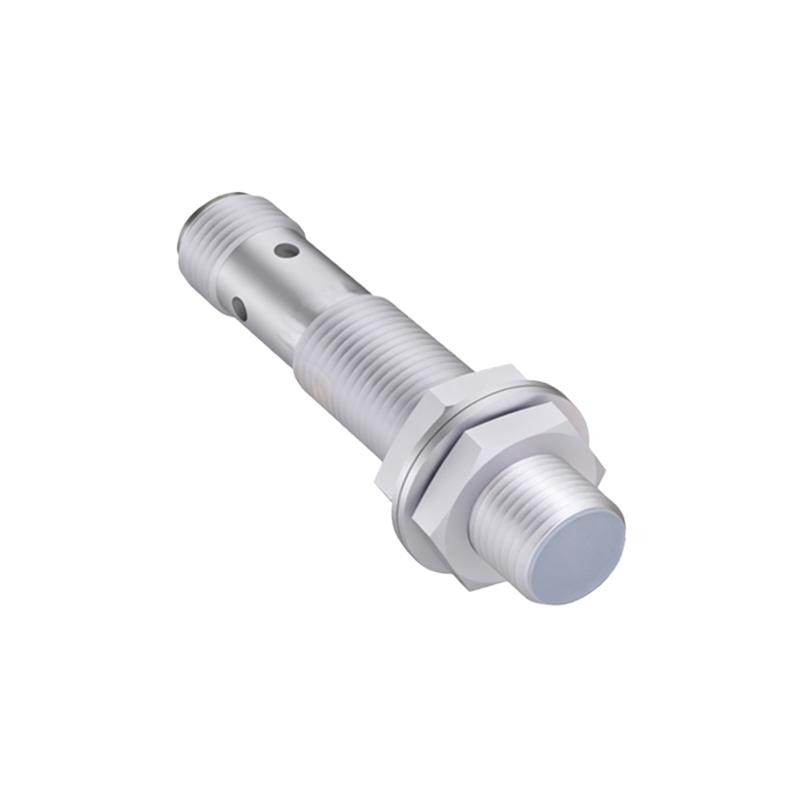
Firstly, the core technology defines a significant portion of the cost bracket. Inductive sensors, used for detecting metallic objects, are generally the most cost-effective. A standard tubular inductive sensor from a reputable brand might range from $30 to $120. However, prices escalate for specialized versions. Factor 1 models, which can detect all metals at the same range, are more expensive than standard Factor 1 models tuned for steel. Capacitive sensors, capable of detecting non-metallic materials like liquids, plastics, or wood, typically command a higher price, often starting around $50 and reaching $200 or more for advanced models. Ultrasonic sensors, offering longer ranges and material-independent detection, sit in a higher tier, commonly ranging from $100 to $400. Photoelectric sensors, with their diverse operating modes (through-beam, retro-reflective, diffuse), have a very wide range, from $40 for basic diffuse models to over $500 for long-range, background-suppression, or laser models with advanced diagnostics.
Beyond the sensing principle, performance specifications drastically affect price. Sensing range is a primary driver. A standard 5mm range inductive sensor is modestly priced, but one with a 20mm or 40mm range will be considerably more expensive. The housing material is another critical factor. Standard plastic or nickel-plated brass housies are common, but sensors with robust stainless-steel housings (particularly in grades like 316L for corrosive environments) or specialized coatings for extreme conditions carry a premium. The protection rating (IP or NEMA) is directly tied to cost. An IP67-rated sensor is standard for washdown environments, but achieving IP68, IP69K, or NEMA 6P ratings for submersible or high-pressure/high-temperature cleaning adds cost. Electrical characteristics also play a role. Sensors with advanced output types (e.g., analog IO-Link, NAMUR for hazardous areas) or those capable of handling higher currents are more expensive than simple PNP/NPN digital switches.
The brand and its associated ecosystem represent a major component of the "quality" premium. Established global leaders like Siemens, Rockwell Automation (Allen-Bradley), Schneider Electric, Omron, and Pepperl+Fuchs have built their reputations on extreme reliability, durability, and global technical support. Their sensors often incorporate proprietary ASICs, undergo rigorous testing, and come with extensive warranties. Consequently, their prices are at the higher end of the spectrum. A high-end inductive sensor from these brands can easily cost between $100 and $300. Mid-tier and specialized brands (e.g., Turck, Banner Engineering, SICK, Keyence) offer excellent quality, often with innovative features, at competitive price points that may range from 20% to 40% lower than the top-tier brands for comparable specs. However, it is crucial to consider the total cost of ownership. A cheaper sensor that fails prematurely, causes unplanned downtime, or requires frequent recalibration can ultimately cost far more than a reliable, albeit more expensive, unit from a trusted manufacturer.
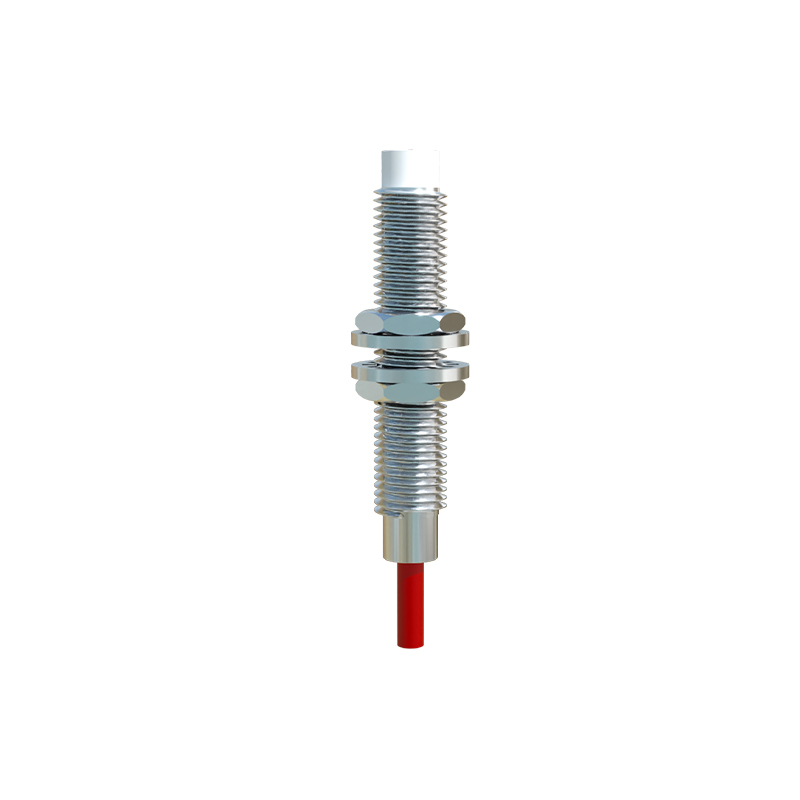
Application environment dictates necessity, which in turn influences cost. Standard factory floor applications use the most common and affordable sensors. However, requirements for extreme temperatures (cryogenic or high-heat above 100°C), intense vibration resistance, exposure to chemicals or solvents, or use in hygienic (food & beverage, pharmaceutical) or washdown environments necessitate specialized construction. Sensors designed for these harsh or clean-in-place (CIP) environments use specific seals, housing materials (e.g., PVDF, PTFE), and certifications (e.g., FDA-compliant materials, EHEDG approval), which can double or triple the price compared to a standard industrial model.
Finally, commercial factors like order volume, distribution channel, and geographic region impact the final price. OEMs purchasing in bulk for machine building secure significantly lower per-unit costs than an end-user buying a single replacement unit. Purchasing directly from a distributor or the manufacturer's official channel ensures authenticity but may have a different price structure than third-party online marketplaces, where caution is advised regarding counterfeit products.
In conclusion, pinning down the exact cost of a high