In the realm of industrial automation and electronics, infrared proximity sensors are indispensable components widely utilized for non-contact detection, object positioning, and distance measurement. These sensors operate by emitting infrared light and measuring the reflection or interruption of that light to determine the presence or absence of an object within a specified range. Across various sectors—from manufacturing and robotics to consumer electronics and automotive systems—these devices are known by several colloquial and technical names that reflect their functionality and application contexts.
One of the most common industry terms for infrared proximity sensors is "IR proximity sensors." This abbreviation is prevalent in technical documentation, datasheets, and casual conversations among engineers. The simplicity of "IR" (infrared) paired with "proximity" directly conveys the core mechanism: using infrared radiation to gauge proximity. In design schematics and procurement lists, you'll frequently encounter this shorthand, which streamlines communication in fast-paced engineering environments.
Another widespread nickname is "photoelectric sensors," though this term encompasses a broader category that includes other light-based technologies. Within this family, infrared variants are often specified as "IR photoelectric sensors" to distinguish them from visible-light or laser-based types. In assembly lines and packaging machinery, technicians might refer to them simply as "photo eyes" or "optical sensors," emphasizing their role in visual-like detection without physical contact. These informal names underscore the sensor's function as an "eye" for machines, enabling automated systems to "see" objects and trigger actions accordingly.
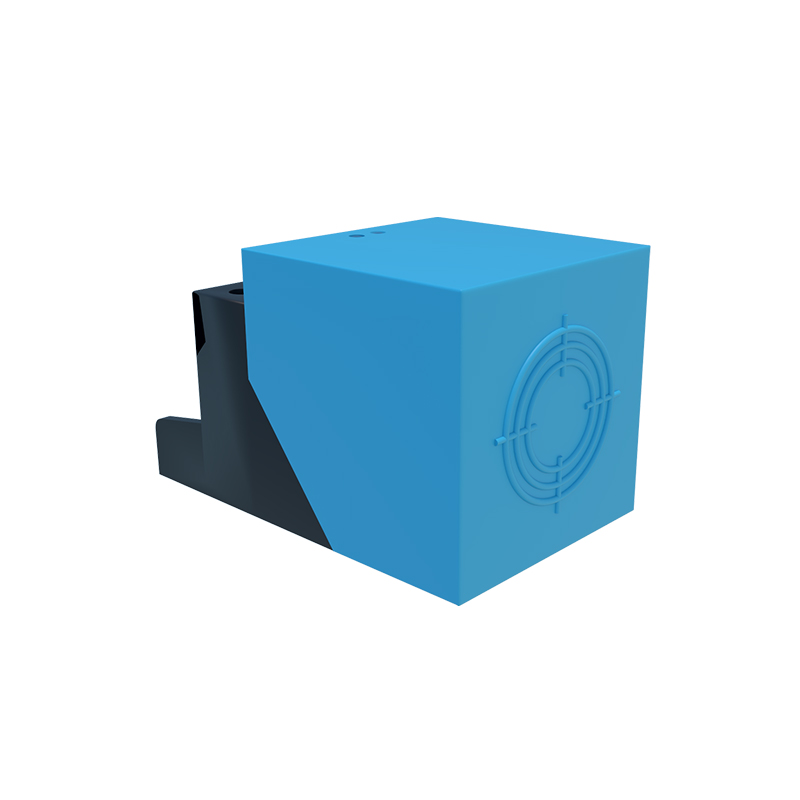
In consumer electronics, especially in smartphones and tablets, infrared proximity sensors are colloquially called "proximity detectors" or "ambient light sensors." Here, they are integrated to disable touchscreens during calls when the device is near the user's ear, preventing accidental inputs. Engineers in this domain might use terms like "IR gesture sensors" for advanced versions that interpret hand movements, highlighting the evolution from basic presence detection to interactive control.
The automotive industry adopts distinct terminology, often labeling these sensors as "IR obstacle detectors" or "parking aid sensors." In vehicles, they are deployed in safety systems like blind-spot monitoring and automatic braking, where reliability and precision are critical. Mechanics and automotive engineers might casually refer to them as "distance sensors" or "rangefinders," though these terms can also apply to ultrasonic or laser-based devices. This overlap in nomenclature underscores the importance of context in technical discussions.
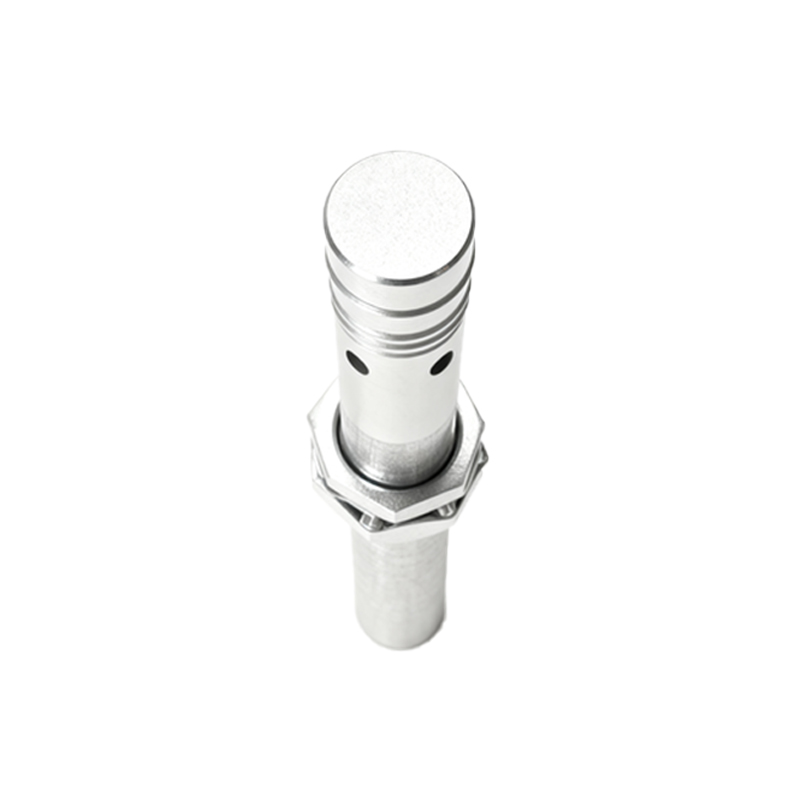
In robotics and automation, infrared proximity sensors are sometimes dubbed "object avoidance sensors" or "collision sensors." These names highlight their preventive role in enabling robots to navigate environments safely by detecting obstacles in their path. Roboticists and automation specialists might also use "IR reflectance sensors" when discussing models that rely on reflected light intensity to estimate distance, a common method in line-following robots and automated guided vehicles (AGVs).
Industrial settings often employ jargon like "IR beam sensors" or "break-beam sensors" for configurations where an emitter and receiver are separated, detecting objects that interrupt the infrared beam. Conversely, "diffuse reflective sensors" refer to setups where the emitter and receiver are housed together, relying on light bouncing off objects. These terms are crucial for specifying the right sensor type for applications such as conveyor belt monitoring, where beam interruption signals the passage of items.
From a technical perspective, infrared proximity sensors are also classified under "passive infrared (PIR)" and "active infrared" categories, though PIR sensors are more associated with motion detection in security systems. In engineering circles, clarifying between "active IR" (which emits its own light) and "passive IR" (which detects ambient infrared radiation) avoids confusion during system design. Datasheets and catalogs frequently list them as "infrared proximity switches" when used in on/off control applications, emphasizing their switching functionality.
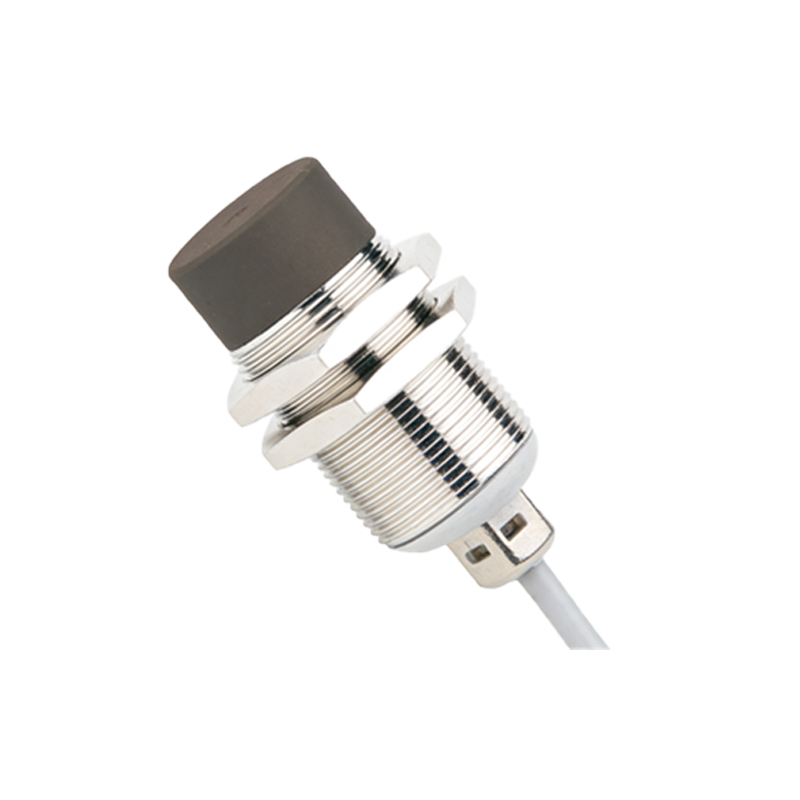
The diversity in names reflects the sensor's adaptability across industries. Whether called "IR prox sensors" in a quick email among colleagues or "infrared proximity transducers" in a formal specification, the terminology always ties back to the principle of infrared-based detection. As technology advances, with miniaturization and enhanced sensitivity, new terms like "IR gesture recognition modules" or "smart proximity sensors" are emerging, pointing to future applications in IoT and AI-driven systems.
Understanding these common names and industry terms is essential for engineers, technicians, and procurement specialists. It facilitates clear communication, ensures correct part selection, and aids in troubleshooting. In global collaborations, where English serves as the lingua franca, mastering this vocabulary helps bridge gaps between different technical cultures. Ultimately, infrared proximity sensors, by any name, remain a cornerstone of modern automation, enabling smarter, safer, and more efficient systems across countless fields.