Laser temperature sensors represent a significant advancement in non-contact temperature measurement technology, widely utilized across various industrial sectors. These devices operate based on the fundamental principle of detecting infrared radiation emitted by all objects above absolute zero. Unlike traditional contact thermometers, laser temperature sensors measure thermal radiation from a distance, making them ideal for monitoring moving objects, hazardous environments, or surfaces where physical contact is impractical.
The core mechanism involves a laser diode that emits a visible laser beam, which serves as a targeting aid to pinpoint the measurement area. The actual temperature detection is performed by an infrared detector, typically a thermopile or pyroelectric sensor, which captures the infrared energy radiated from the target surface. This energy is then converted into an electrical signal, proportional to the temperature, through Planck's radiation law. The sensor's optics focus the infrared radiation onto the detector, while built-in algorithms compensate for emissivity—a critical factor that defines how efficiently a surface emits infrared energy. Emissivity values range from 0 to 1, with polished metals having low emissivity and organic materials exhibiting higher values. Advanced sensors allow users to adjust emissivity settings manually or automatically to ensure accuracy.
Key components include the laser aiming system, infrared lens, detector, signal processor, and display unit. The laser itself does not measure temperature but ensures precise targeting, especially for small or distant objects. The infrared lens collects radiation from a specific field of view, defined by the distance-to-spot ratio (D:S ratio). A higher D:S ratio indicates better resolution for measuring smaller areas from farther distances. For instance, a 50:1 D:S ratio enables measuring a 1-inch spot from 50 inches away.
Industrial applications are extensive. In manufacturing, laser temperature sensors monitor machinery like motors, bearings, and electrical panels to prevent overheating and predict maintenance needs. In metal processing, they control temperatures during forging, welding, or heat treatment without interfering with production lines. The food industry uses them to ensure proper cooking or cooling temperatures, while in electronics, they detect hotspots on circuit boards. Their ability to measure temperatures from -50°C to over 3000°C, with accuracies up to ±0.5% of reading, makes them versatile for extreme conditions.
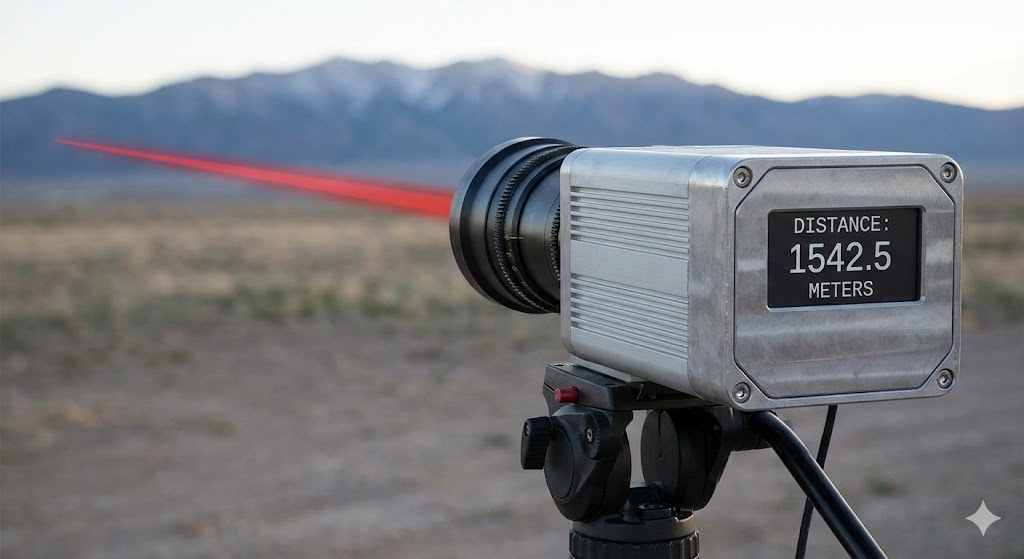
Advantages over contact methods include rapid response times (milliseconds), no risk of contamination or damage to surfaces, and durability in harsh environments. However, limitations exist: measurements can be affected by atmospheric interference (e.g., dust, steam), reflective surfaces, or incorrect emissivity settings. To mitigate these, modern sensors incorporate features like peak-hold functions for moving targets, adjustable response times, and data logging capabilities.
Future trends involve integration with IoT systems for real-time monitoring and AI-driven analytics. Wireless laser sensors are emerging, enabling remote data transmission to control centers. As industries prioritize efficiency and safety, laser temperature sensors continue to evolve, offering enhanced precision and connectivity for smart industrial operations.
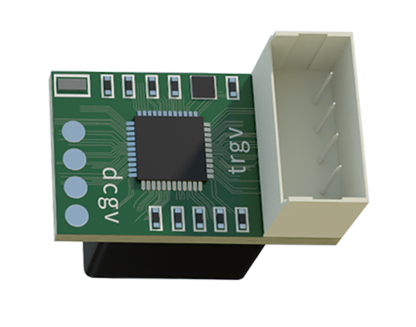
In summary, laser temperature sensors provide reliable, non-invasive temperature assessment by harnessing infrared radiation principles. Their design combines optical targeting with advanced signal processing, making them indispensable tools in modern industrial automation and quality control.