In the realm of industrial automation and electrical engineering, proximity sensors are indispensable components for detecting the presence or absence of objects without physical contact. A common query among engineers and technicians is whether these sensors can be effectively mounted on brackets. The answer is a resounding yes, and understanding the nuances of this practice is crucial for optimal system performance.
Proximity sensors, including inductive, capacitive, and ultrasonic types, are designed to operate in diverse environments. Mounting them on brackets is not only feasible but often recommended to enhance flexibility, accessibility, and precision in detection. Brackets provide a stable platform, allowing sensors to be positioned at specific angles or distances from target objects. This is particularly beneficial in complex machinery where space constraints or alignment requirements demand customized setups. For instance, in conveyor systems, brackets enable sensors to be adjusted for detecting items of varying sizes, thereby improving efficiency and reducing false triggers.
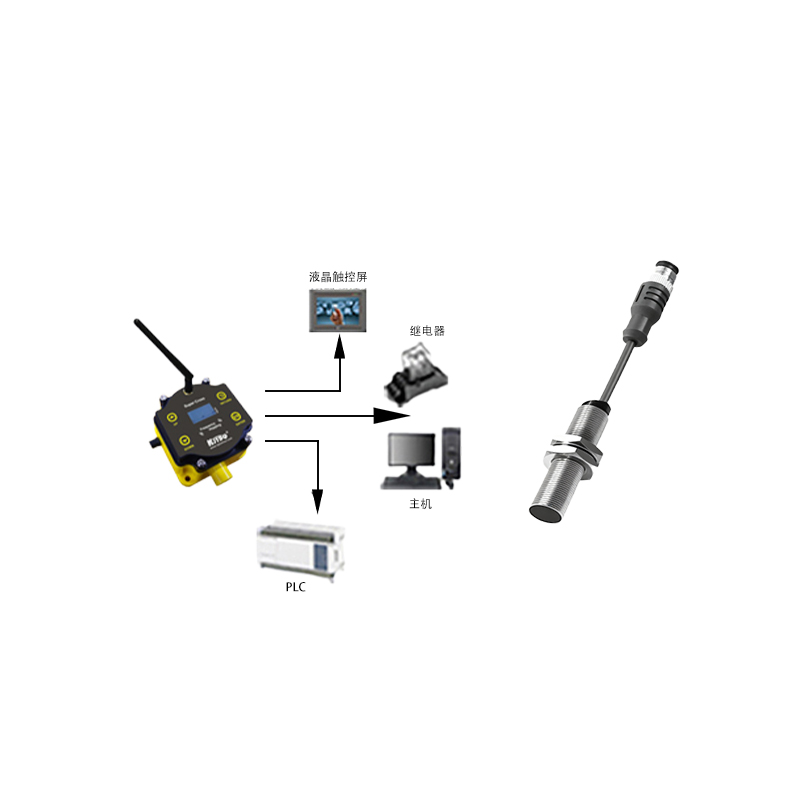
When considering bracket mounting, several factors must be addressed to ensure reliability. First, the material of the bracket plays a significant role. Metal brackets, such as those made from aluminum or stainless steel, are preferred for their durability and minimal interference with sensor operation. However, for inductive sensors, which detect metallic objects, it's essential to avoid magnetic materials that could affect sensitivity. Non-metallic brackets, like plastic or composite options, may be used for capacitive sensors to prevent signal distortion. Additionally, the bracket design should account for vibration and shock resistance, as industrial settings often involve dynamic movements that could loosen mounts or misalign sensors over time.
Installation practices are equally critical. Engineers should follow manufacturer guidelines for torque specifications when securing sensors to brackets to prevent damage to housing or internal components. Proper alignment is paramount; even slight deviations can lead to reduced detection ranges or inaccurate readings. Using adjustable brackets with locking mechanisms can facilitate fine-tuning during setup and maintenance. Moreover, environmental conditions like temperature extremes, humidity, or exposure to chemicals should influence bracket selection—corrosion-resistant coatings or sealed enclosures may be necessary to prolong sensor lifespan.
From a practical standpoint, bracket mounting offers numerous advantages. It simplifies maintenance by allowing sensors to be easily removed or replaced without dismantling entire assemblies. This modularity reduces downtime and operational costs. In applications such as robotic arms or automated guided vehicles (AGVs), brackets enable sensors to be positioned for obstacle detection or part positioning, enhancing safety and accuracy. Case studies in manufacturing plants show that properly bracketed proximity sensors contribute to higher throughput and fewer errors, especially in quality control processes where consistent detection is vital.
However, challenges can arise if best practices are neglected. Improper mounting may cause electromagnetic interference (EMI) from nearby equipment, leading to erratic behavior. To mitigate this, shielded cables and grounding the bracket can be effective strategies. Regular inspections are advised to check for wear, loosening, or environmental damage that could compromise performance. Training personnel on correct installation techniques ensures long-term reliability and adherence to industry standards like IEC 60947-5-2 for proximity sensor applications.
In conclusion, mounting proximity sensors on brackets is a standard and highly beneficial practice in electrical engineering. By selecting appropriate materials, ensuring precise installation, and considering environmental factors, engineers can leverage brackets to maximize sensor functionality. This approach not only supports adaptive automation solutions but also aligns with trends toward modular and scalable industrial systems. As technology evolves, innovations in bracket design—such as smart mounts with integrated diagnostics—may further enhance the synergy between sensors and their mounting solutions, driving efficiency in modern factories.