In the world of industrial automation and machinery, the ability to detect the presence or absence of an object without physical contact is fundamental. Cylindrical proximity sensors are among the most common and reliable devices used for this purpose. Characterized by their robust, tubular metal housing, these sensors offer a blend of durability, precision, and ease of installation that makes them indispensable in countless applications. This guide delves into the working principles, various types, key application areas, and critical factors for selecting the right sensor for your needs.
At their core, cylindrical proximity sensors operate by generating an electromagnetic field or a beam of light. When a target object enters this field, it causes a change in the sensor's internal oscillation or light reception. This change is detected by the sensor's circuitry, which then triggers an electronic switch to send a signal to a controller, such as a PLC (Programmable Logic Controller). The primary advantage is the complete lack of mechanical wear and tear, leading to exceptionally long service life and high reliability in demanding environments.
There are several main types of cylindrical proximity sensors, categorized by their sensing technology. Inductive proximity sensors are the most prevalent. They generate an oscillating electromagnetic field and can only detect metallic objects, typically ferrous metals like steel and iron, though some models are tuned for non-ferrous metals like aluminum or copper. Their sensing range is relatively short but highly precise. Capacitive proximity sensors, on the other hand, can detect both metallic and non-metallic materials, including liquids, plastics, wood, and glass. They work by sensing changes in capacitance caused by the target object. Ultrasonic sensors use sound waves beyond human hearing to detect objects and can measure distance, making them suitable for level detection or sensing objects of varying materials and colors. Finally, photoelectric sensors in a cylindrical housing use a light beam (often infrared) and are excellent for long-range detection of any object that interrupts the beam.
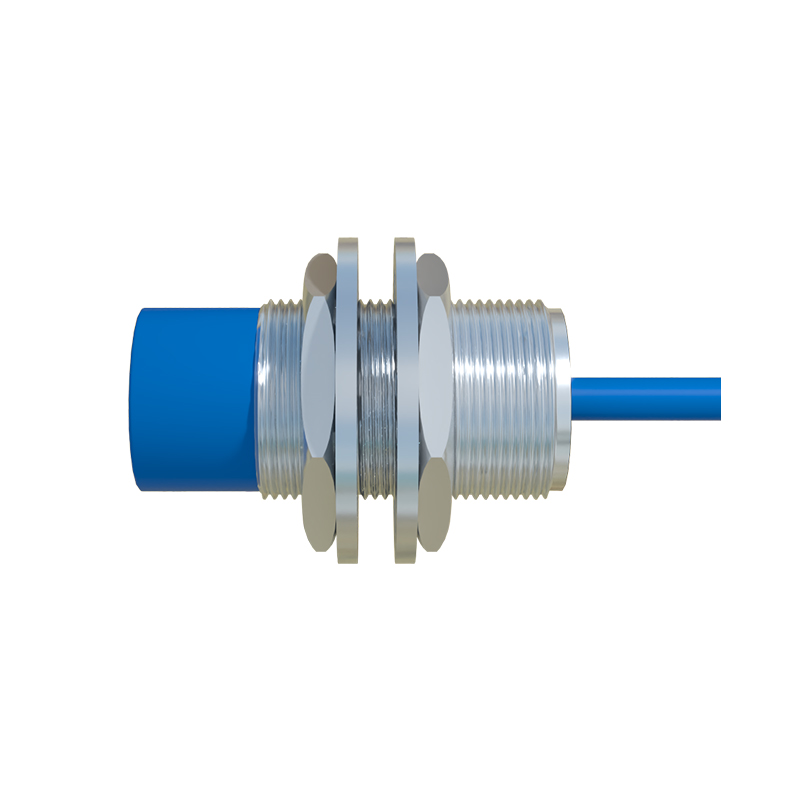
The applications for these sensors are vast and span nearly every industry. In manufacturing and assembly lines, inductive sensors are used for part presence verification, counting, and end-of-travel detection on robotic arms. Capacitive sensors find use in packaging lines to detect liquid levels in bottles or the presence of plastic caps. In the automotive industry, they monitor robot tooling positions and control automated welding processes. Material handling systems rely on them to detect the position of pallets, crates, or totes. Beyond factories, they are integral to commercial doors, vending machines, and even modern vehicles for parking assistance.
Selecting the appropriate cylindrical proximity sensor requires careful consideration of several parameters. First, identify the target material. Is it metal, plastic, liquid, or something else? This will narrow down the technology choice (inductive vs. capacitive vs. photoelectric). Next, determine the required sensing distance. Always choose a sensor with a rated sensing distance slightly greater than your application requires to account for installation tolerances and environmental factors. The sensor's housing size and thread diameter (common sizes include M8, M12, M18, and M30) must fit the mounting hole. Environmental conditions are crucial; consider factors like temperature extremes, potential for washdowns (requiring IP67 or IP69K ratings), exposure to oils or chemicals, and the presence of welding spatter or heavy vibration. Finally, the electrical output type must match your control system—typically PNP (sourcing) or NPN (sinking) DC configurations, or AC options, with 2-wire or 3-wire designs.
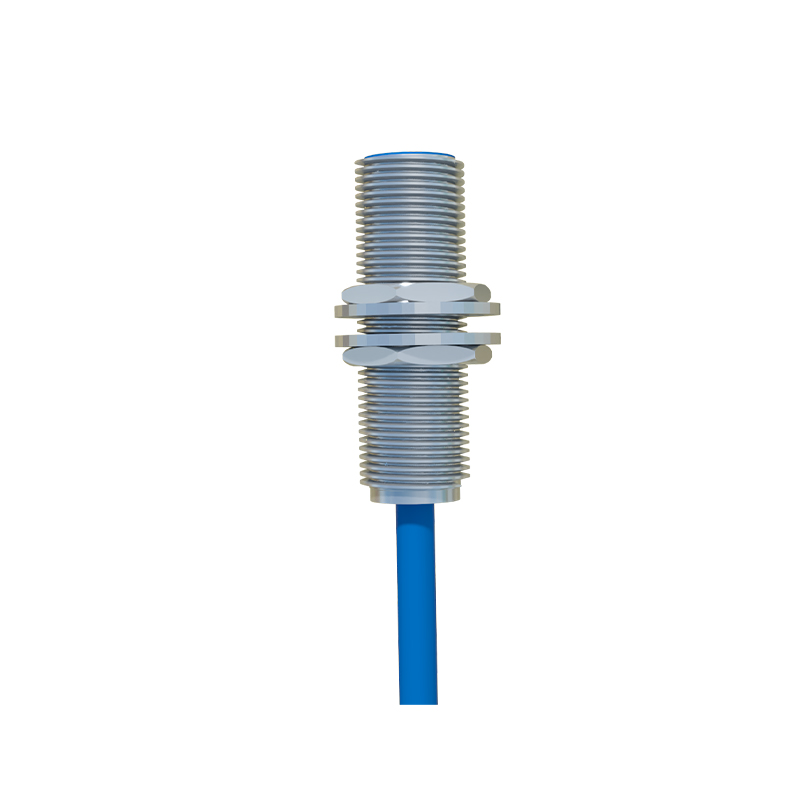
Installation is typically straightforward due to the standardized threaded barrel design. However, proper mounting is essential for reliable operation. For inductive sensors, maintaining a minimum distance from surrounding metal (the "flush-mountable" or "non-flush" specification) is critical to prevent false triggers. Ensuring a stable power supply and correct wiring according to the datasheet will guarantee optimal performance. Regular maintenance is minimal but should include periodic cleaning of the sensing face to remove dust, dirt, or buildup that could attenuate the sensing field.
In conclusion, cylindrical proximity sensors are versatile, robust components that form the sensory backbone of modern automated systems. Understanding the different technologies available and carefully matching the sensor's specifications to the application's demands—target material, distance, environment, and electrical interface—is the key to achieving reliable, maintenance-free operation. By making an informed selection, engineers and technicians can enhance system efficiency, safety, and uptime across a diverse range of industrial and commercial settings.