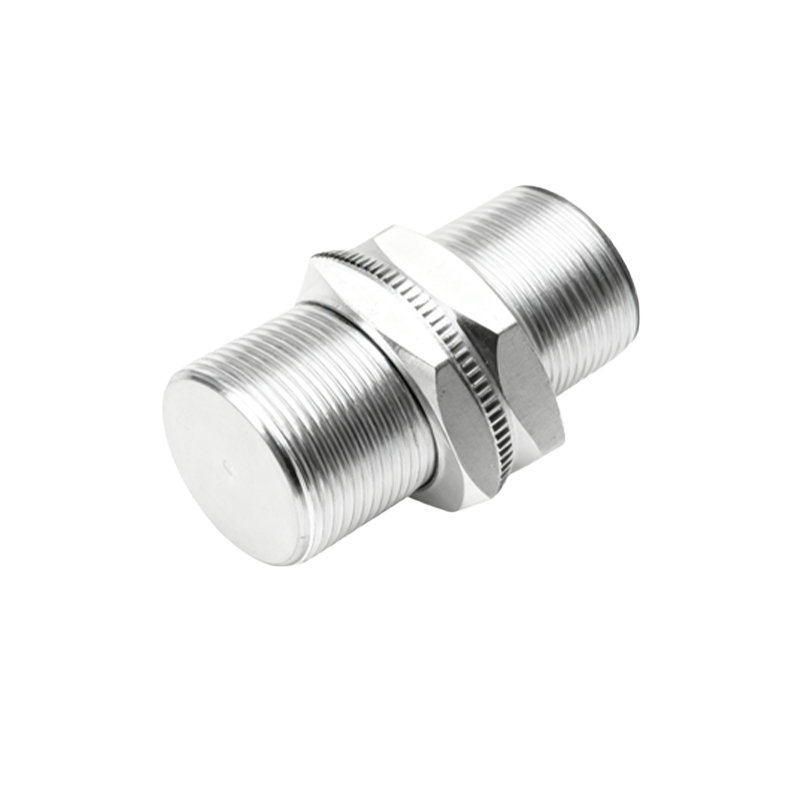
Cylindrical proximity sensors are essential components in modern industrial automation, offering reliable non-contact detection of metallic and non-metallic objects. These sensors, characterized by their tubular design, are widely used in manufacturing, packaging, robotics, and automotive assembly lines due to their durability, precision, and ease of installation. Understanding their operational principles, types, and selection criteria can help engineers optimize system performance and ensure operational safety.
Cylindrical proximity sensors primarily operate based on electromagnetic, capacitive, or ultrasonic principles. Inductive sensors, the most common type, generate an oscillating electromagnetic field from a coil wound around a ferrite core within the cylindrical housing. When a metallic object enters this field, eddy currents are induced, causing a change in oscillation amplitude. This change is detected by the sensor's circuitry, triggering an output signal—typically a switching action—to indicate the object's presence. These sensors are ideal for detecting ferrous and non-ferrous metals, with sensing ranges varying from a few millimeters to several centimeters, depending on the sensor's diameter and technology.
Capacitive cylindrical sensors function by measuring changes in capacitance between the sensor face and a target object. They generate an electrostatic field and detect alterations caused by any material, including liquids, plastics, or granular substances. This versatility makes them suitable for level detection, material handling, and applications involving non-metallic objects. Ultrasonic variants use sound waves to measure distance or detect objects, offering longer ranges and the ability to sense transparent or irregularly shaped items.
The design of cylindrical proximity sensors emphasizes robustness, with housings typically made of stainless steel, nickel-plated brass, or engineered plastics to withstand harsh industrial environments. Many models feature IP67 or IP68 ratings, ensuring resistance to dust, moisture, and chemical exposure. Key specifications include sensing distance, repeat accuracy, response time, and output type (e.g., PNP, NPN, analog, or IO-Link). Engineers must consider factors like target material, size, temperature conditions, and electrical requirements when selecting a sensor. For instance, inductive sensors may require derating for non-ferrous metals, while capacitive sensors need calibration for specific dielectric materials.
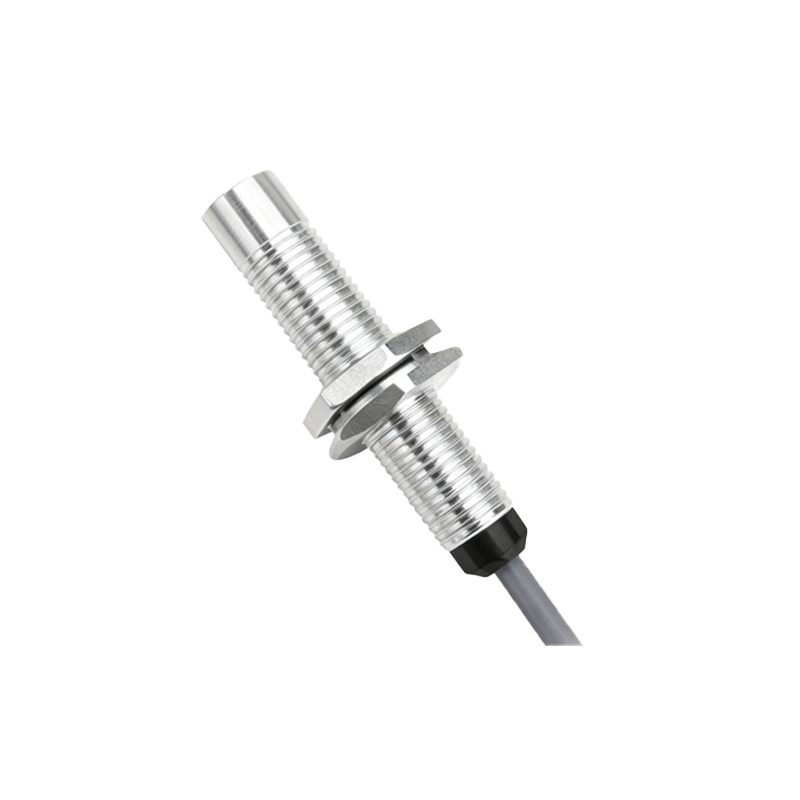
In practice, cylindrical proximity sensors enhance automation by enabling precise positioning, object counting, and safety interlocks. In conveyor systems, they detect product presence to control sorting mechanisms. In robotics, they provide end-of-arm tooling feedback to prevent collisions. Automotive plants utilize them for part verification during assembly, reducing errors and downtime. Regular maintenance involves checking alignment, cleaning sensing faces, and verifying electrical connections to prevent false triggers.
Advancements in sensor technology have led to miniaturized designs, improved energy efficiency, and smart features like diagnostics via IO-Link communication. These innovations support Industry 4.0 initiatives by facilitating predictive maintenance and data integration. Despite their simplicity, cylindrical proximity sensors remain critical for cost-effective, reliable automation, driving productivity across diverse sectors.