Proximity sensors are a cornerstone of modern industrial automation and consumer electronics, silently performing critical detection tasks. Among their various types, those designed to detect magnetic metals hold a particularly significant place. This guide delves into the intricate relationship between these sensors and magnetic metals, explaining the underlying principles, key applications, and important selection criteria.
At the heart of this technology lies the principle of electromagnetic induction or magnetic field disturbance. Sensors designed for magnetic metal detection, often referred to as inductive proximity sensors or magnetic proximity sensors, generate an oscillating electromagnetic field from their active face. When a ferromagnetic object—such as iron, steel, nickel, or cobalt—enters this field, it causes a detectable change. For inductive sensors, the magnetic metal object induces eddy currents within itself, which dampens the sensor's oscillation. This damping effect is detected by the sensor's circuitry, triggering a switching signal. Simpler magnetic sensors, like reed switches or Hall-effect sensors, react directly to the presence of a magnetic field, often from a permanent magnet attached to a moving part.
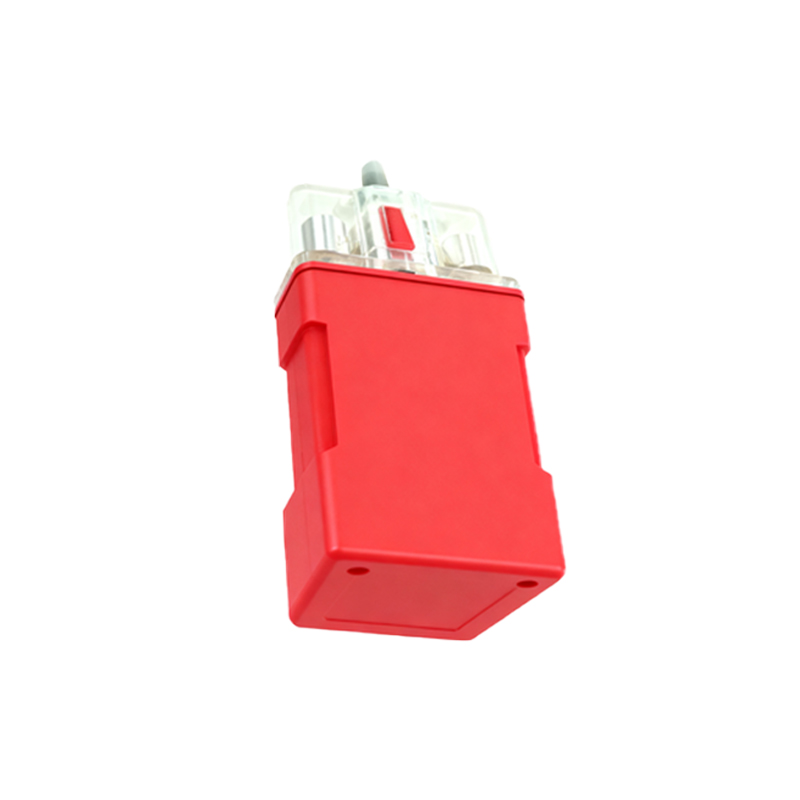
The key differentiator is the target material. Standard inductive proximity sensors can detect all metals, but their sensing range is significantly longer for ferromagnetic metals. For non-ferrous metals like aluminum, brass, or copper, the effective range can be reduced by up to 60%. Sensors specifically optimized or labeled for "magnetic metals" ensure reliable and maximum-range detection for ferrous targets, often ignoring non-ferrous metals entirely. This specificity is a crucial advantage in environments where only the presence of steel or iron components needs to be monitored.
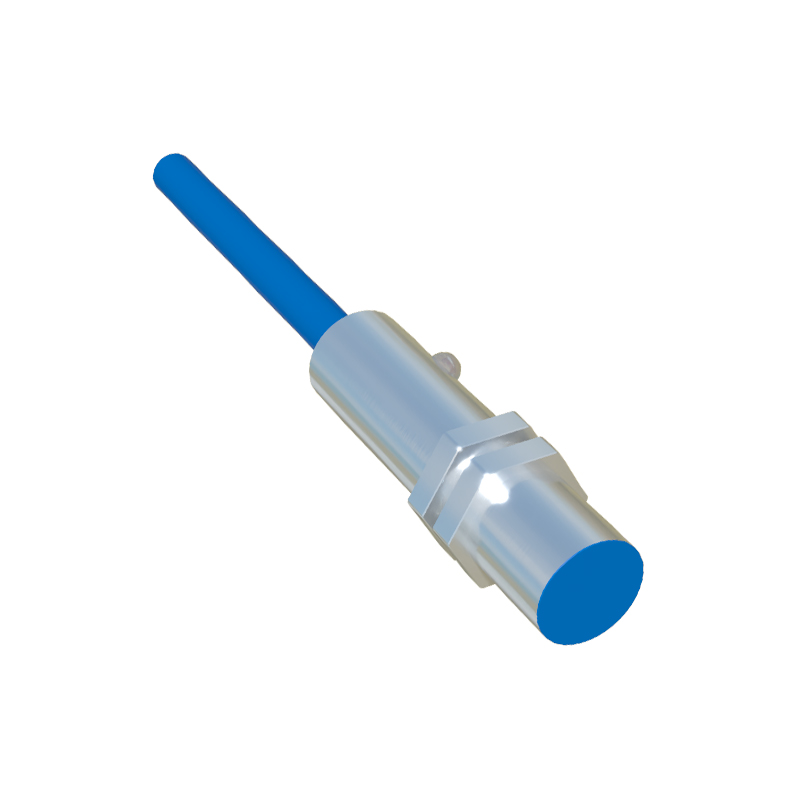
The applications for magnetic metal detection are vast and varied. In automotive manufacturing, these sensors count gear teeth, verify piston position, or confirm the presence of engine blocks on assembly lines. In material handling, they detect the position of metal pallets, containers, or robotic arms. Safety systems employ them as non-contact limit switches on heavy machinery doors or guards. Beyond heavy industry, everyday examples include the lid-closed detection in washing machines (using a magnet in the door and a reed switch) or the sleep/wake function in laptops when the lid is lowered.
Selecting the right sensor involves several technical considerations. The sensing distance, often specified for a standard mild steel target, is paramount and should include a safety margin. The hysteresis—the difference between the switch-on and switch-off points—prevents signal chatter when a target is at the exact sensing limit. Environmental factors are critical; sensors come with ingress protection (IP) ratings for dust and water resistance, and ruggedized housings (often stainless steel) are necessary for harsh, wash-down, or corrosive environments. Electrical output types (NPN/PNP, NO/NC) must match the control system's requirements.
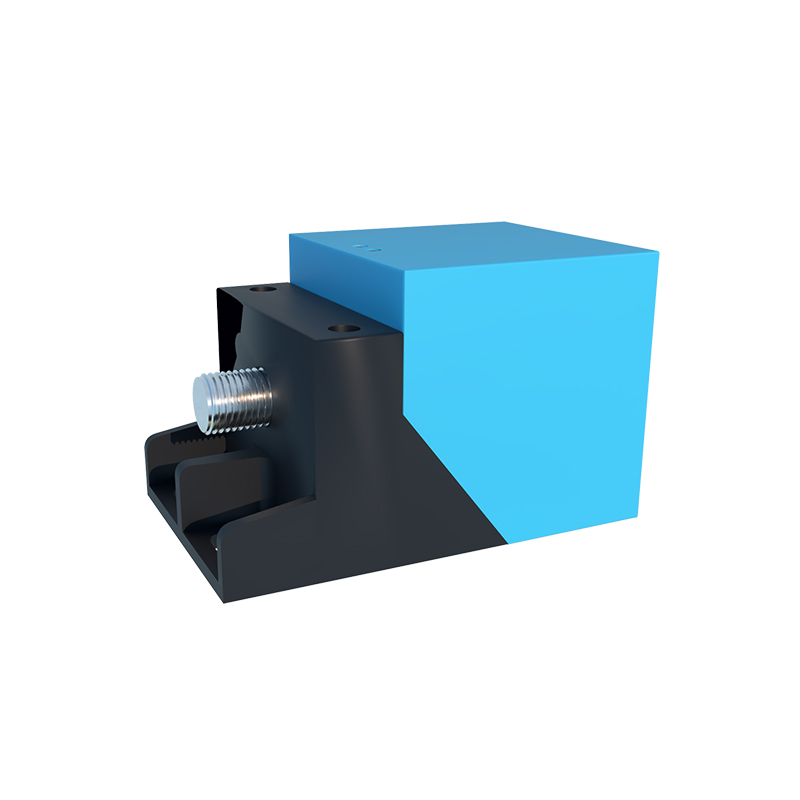
Installation and operational best practices significantly impact performance. Maintaining the proper installation clearance from surrounding metal (side-by-side or flush mounting) prevents false triggers. The sensor must be positioned so that the target approaches the active sensing face directly for optimal range. Regular maintenance involves checking for physical damage, buildup of metallic debris (swarf) on the face, which can cause failure, and verifying the electrical connections.
In conclusion, the synergy between proximity sensors and magnetic metals enables robust, reliable, and non-contact detection solutions. Understanding the physics of detection, the importance of material specificity, and the practicalities of application and installation is essential for engineers and technicians. By choosing the correct sensor type and adhering to best practices, these devices provide the invisible yet indispensable feedback that keeps automated systems running safely, efficiently, and intelligently across countless industries.