Laser sensors have become a cornerstone of modern measurement technology, offering unparalleled precision in distance determination across various industries. At its core, the process relies on the fundamental properties of light. A laser sensor emits a highly focused, coherent beam of light toward a target. This beam travels at the constant speed of light—approximately 300,000 kilometers per second. Upon striking the target's surface, the light is reflected back toward the sensor. A sensitive photodetector within the sensor then captures this returning signal.
The primary method for calculating distance is based on the time-of-flight principle. The sensor's internal electronics precisely measure the time interval between the emission of the laser pulse and the detection of its reflection. Since the speed of light is a known constant, the distance to the target can be calculated using a straightforward formula: Distance = (Speed of Light × Time of Flight) / 2. The division by two accounts for the round-trip journey of the light pulse. This method is exceptionally effective for both short and very long ranges, from a few centimeters to several kilometers, with accuracy often down to the millimeter level.
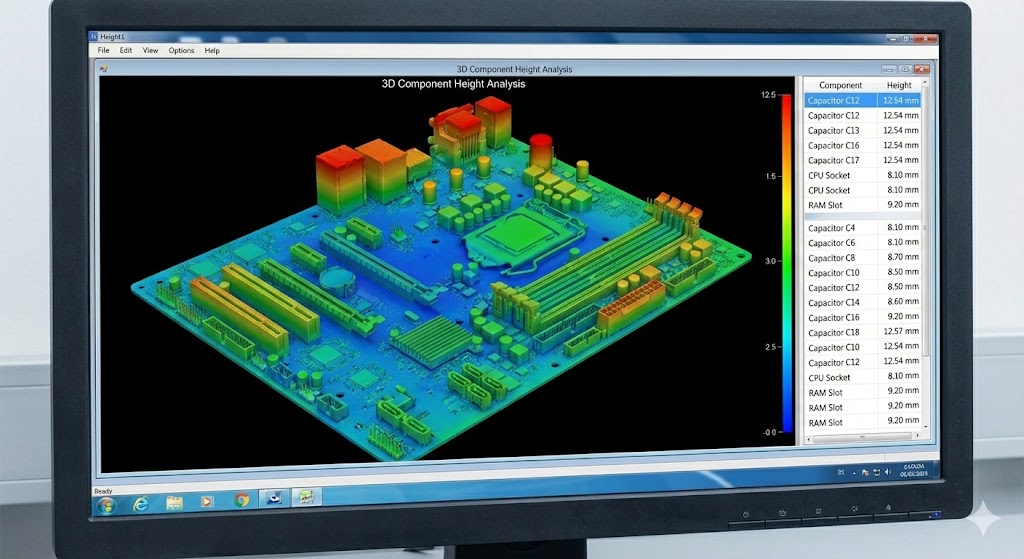
Another common technique, particularly for shorter ranges or higher precision needs, is phase-shift measurement. In this approach, the laser beam is modulated with a specific frequency. The sensor compares the phase of the emitted modulated wave with the phase of the reflected wave. The difference in phase, or the phase shift, is directly proportional to the distance the light has traveled. This method allows for extremely fine resolution, often in the micrometer range, making it ideal for applications like surface profiling or alignment in manufacturing.
Triangulation is a third prominent method, frequently used in compact laser sensors for industrial automation. Here, the laser emitter, the target point, and the receiving detector form a triangle. The laser projects a visible spot onto the target. The reflected light from this spot strikes a position-sensitive detector (like a CCD or CMOS array) inside the sensor. As the target distance changes, the position of the light spot on this detector shifts. Using basic trigonometric principles and the known fixed baseline between the laser source and the detector, the sensor's processor calculates the exact distance. This method is highly accurate for smaller working ranges.
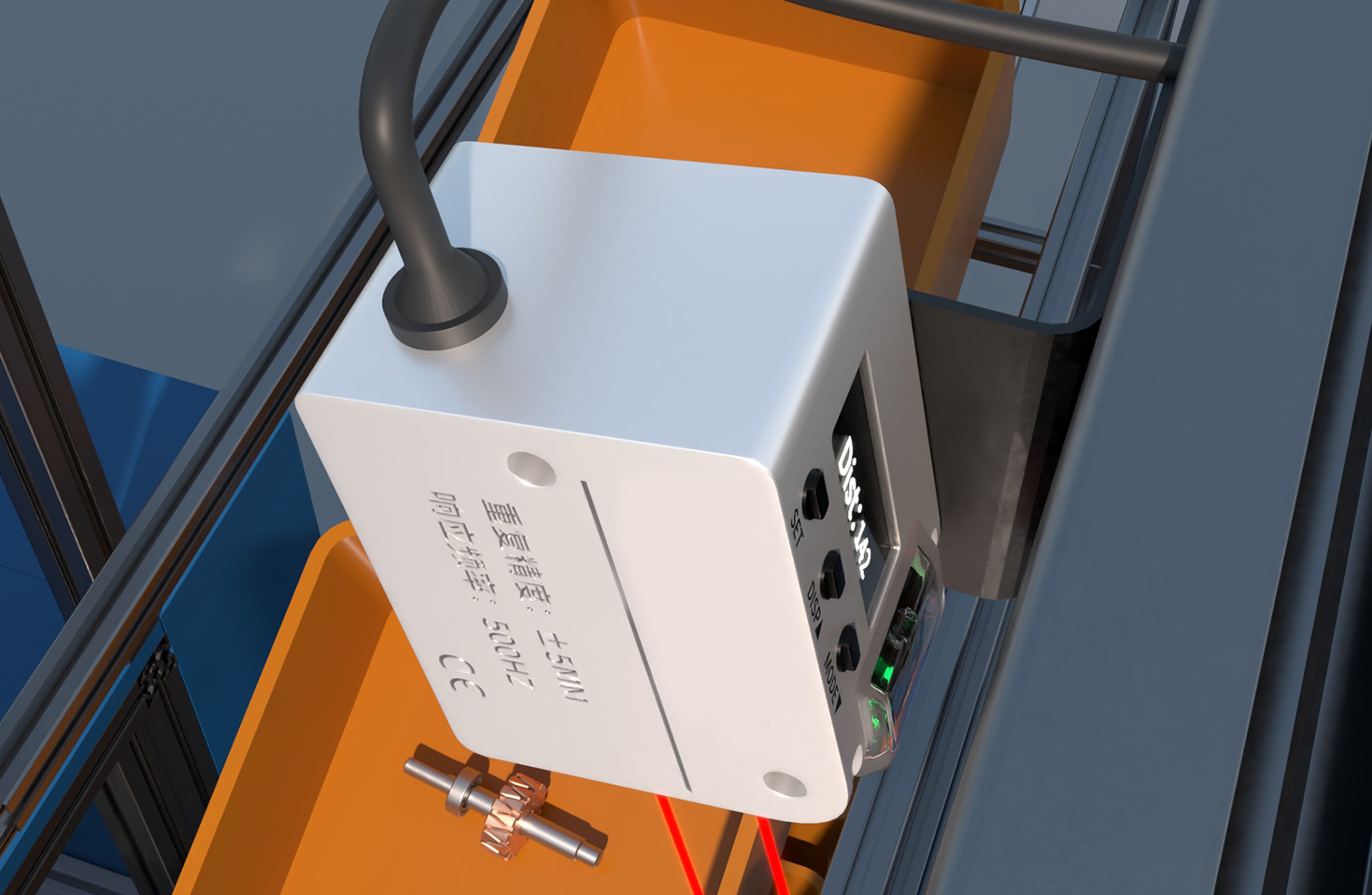
The choice of method depends heavily on the application's specific requirements. Time-of-flight sensors excel in long-range outdoor uses like aerial surveying, forestry, and construction site monitoring. Phase-shift sensors are the go-to for laboratory-grade metrology and precision engineering. Triangulation sensors dominate in factory automation for tasks such as part presence detection, thickness measurement, and robotic guidance due to their compact size and high speed.
Several factors influence measurement performance. The target's surface properties are crucial; highly reflective or specular surfaces can cause oversaturation or beam deflection, while dark, absorbent materials may return a weak signal. Modern sensors often incorporate automatic gain control to compensate for varying reflectivity. Environmental conditions like fog, dust, or intense ambient light can scatter or interfere with the laser beam, potentially reducing accuracy. Many industrial-grade sensors are housed in rugged enclosures with filters to mitigate these effects.
Calibration is a vital step to ensure ongoing accuracy. Sensors are typically calibrated against known reference distances under controlled conditions. Advanced models may feature internal self-check routines and temperature compensation circuits to maintain precision as environmental conditions fluctuate.
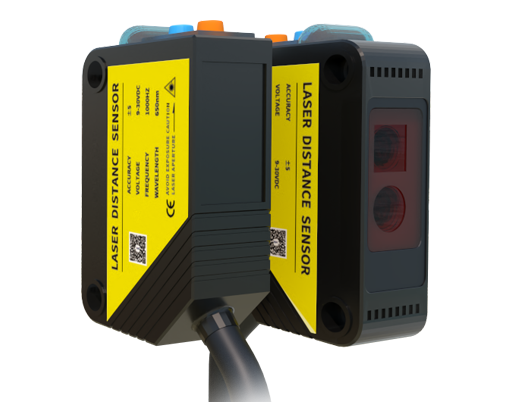
From warehouse logistics, where they measure pallet dimensions, to automotive safety systems enabling adaptive cruise control, laser distance sensors provide the critical data that drives automation and quality control. Their non-contact nature prevents wear and damage to both the sensor and the target object, enabling reliable, continuous operation in demanding environments. As laser and processing technologies continue to advance, these sensors are achieving even higher speeds, better resistance to interference, and smaller form factors, solidifying their role as an indispensable tool for precise spatial measurement.