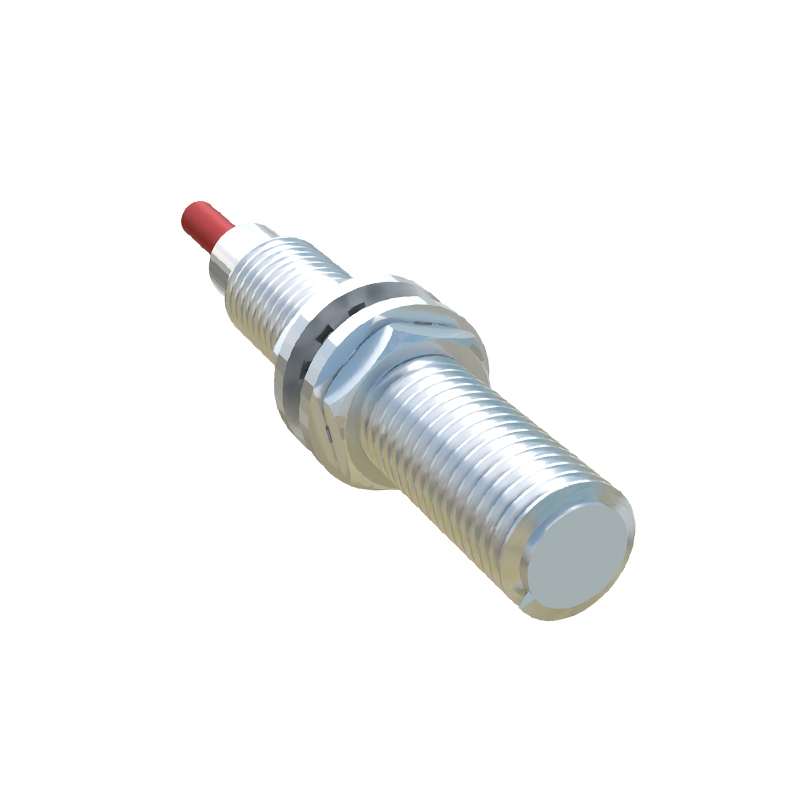
In the realm of industrial automation, proximity sensors play a pivotal role in detecting the presence or absence of objects without physical contact. Among the diverse types available, smooth proximity sensors, often referred to as flush-mountable or non-flush sensors, stand out for their unique design and application-specific advantages. This article delves into the fundamental principles, operational characteristics, and practical uses of these sensors, providing a comprehensive overview for engineers and technicians in the electrical and automation sectors.
Smooth proximity sensors are characterized by their housing design, which allows them to be mounted flush with surrounding surfaces, such as metal brackets or machine frames. Unlike cylindrical or block-style sensors that protrude, their sensing face is typically flat and integrated seamlessly into equipment. This flush-mounting capability is crucial in environments where space constraints or mechanical interference are concerns. The core technology behind these sensors often involves inductive, capacitive, or magnetic principles, with inductive types being most common for metal detection. Inductive smooth sensors generate an electromagnetic field from a coil and oscillator circuit; when a metallic target enters this field, eddy currents are induced, causing a change in oscillation amplitude that triggers an output signal.
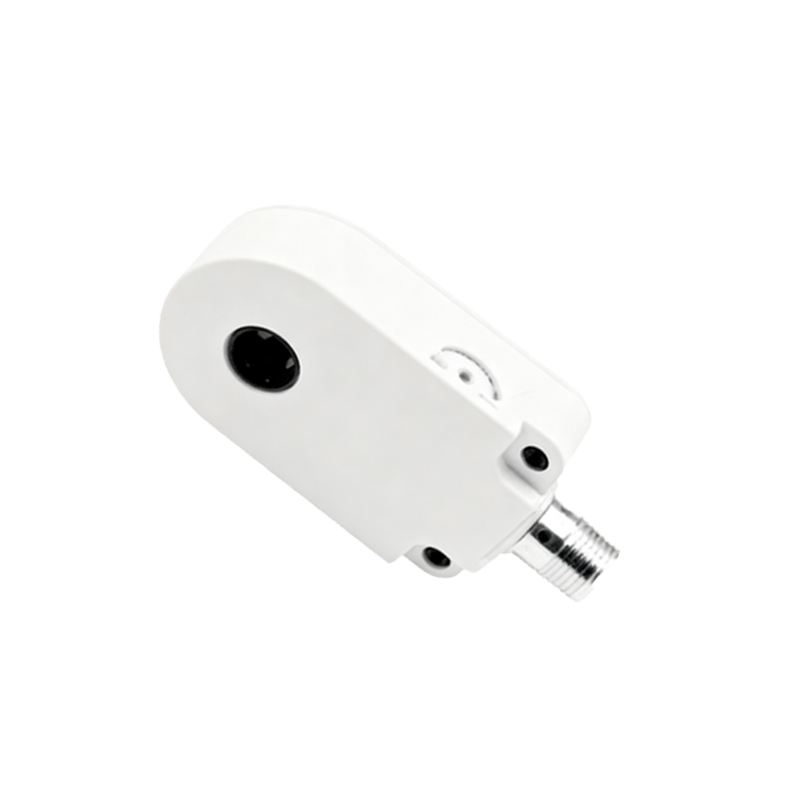
The operational benefits of smooth proximity sensors are manifold. Their flush design minimizes the risk of physical damage from impacts or abrasion in harsh industrial settings, such as assembly lines, packaging machinery, or robotic systems. Additionally, they prevent material buildup around the sensing area, ensuring consistent performance in dirty or dusty conditions. These sensors typically offer short to medium sensing ranges, often up to 15 millimeters, depending on the target material and sensor size. For instance, a standard M12 or M18 threaded smooth sensor might detect a mild steel object at a range of 4-8 mm. It is important to note that their sensing distance can be affected by the surrounding metal—since the sensor is mounted flush, the metallic environment can slightly reduce the effective range compared to non-flush sensors. Therefore, proper installation and calibration are essential to avoid false triggers.
In practical applications, smooth proximity sensors are widely employed for position sensing, object counting, and limit switching. For example, in conveyor systems, they can detect the passage of metal components without interfering with moving parts. In CNC machines, they ensure tool alignment or monitor workpiece presence. Their robust construction, often rated IP67 or higher for dust and water resistance, makes them suitable for demanding industries like automotive manufacturing, food processing, and material handling. When selecting a smooth proximity sensor, engineers must consider factors such as target material (ferrous vs. non-ferrous metals), output type (PNP/NPN, analog, or IO-Link), voltage requirements, and environmental conditions like temperature extremes or chemical exposure.
Maintenance and troubleshooting of these sensors are generally straightforward due to their solid-state design with no moving parts. Regular checks for contamination, wiring integrity, and output signal stability can prevent downtime. Advances in technology have also led to the development of smart smooth sensors with diagnostic features, such as condition monitoring via industrial networks, enhancing predictive maintenance capabilities. In summary, smooth proximity sensors are indispensable components in modern automation, offering reliability, durability, and space efficiency. Their ability to operate contactlessly in confined spaces underscores their value across diverse industrial processes, driving efficiency and safety in electrical engineering applications.