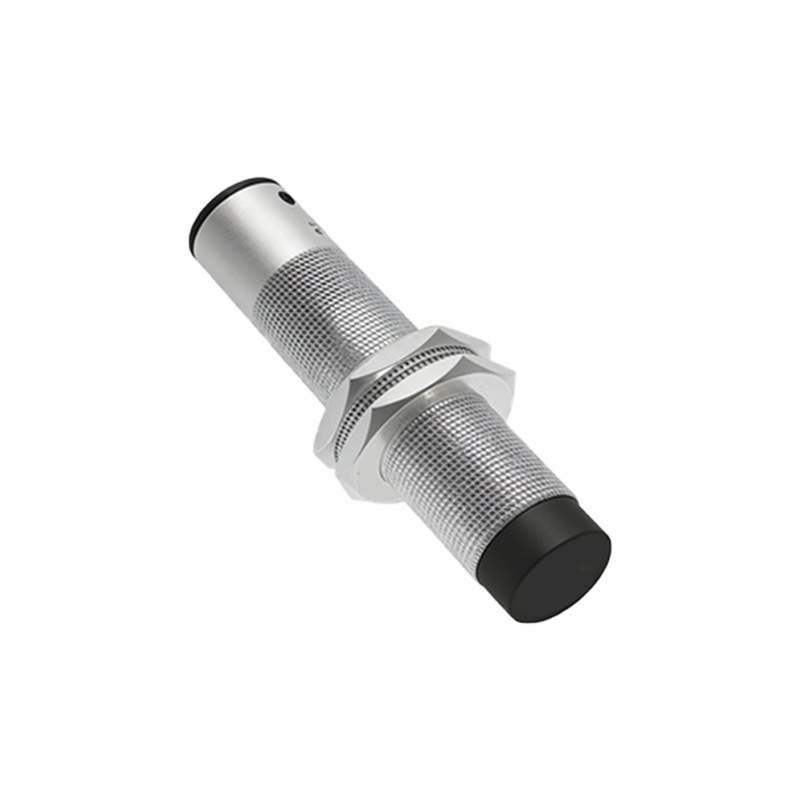
Plug-in proximity sensors, also known as plug-and-play proximity switches, are indispensable components in modern industrial automation systems. These sensors are designed for easy installation and replacement, featuring a standardized connector interface that allows for quick wiring without the need for complex tools or extensive downtime. Their primary function is to detect the presence or absence of an object within a specified range without any physical contact, making them ideal for applications where reliability, speed, and durability are critical.
One of the key roles of plug-in proximity sensors is object detection in manufacturing lines. They can identify parts on conveyor belts, monitor the position of machinery components, and ensure proper alignment in assembly processes. For example, in automotive manufacturing, these sensors verify the placement of engine parts or confirm that doors are correctly positioned before welding. By providing real-time feedback to programmable logic controllers (PLCs), they help maintain smooth operations and prevent costly errors.
Another significant function is position sensing in robotic systems. Industrial robots rely on plug-in proximity sensors to determine the exact location of arms, grippers, or tools, enabling precise movements and reducing the risk of collisions. In packaging machinery, these sensors detect the presence of containers, triggering filling or sealing actions only when items are properly aligned. This not only improves efficiency but also minimizes material waste.
Plug-in proximity sensors also contribute to safety and monitoring in hazardous environments. In areas with high temperatures, dust, or moisture, they can operate reliably without direct exposure to contaminants. For instance, in metalworking, sensors detect the position of cutting tools or monitor the level of cooling fluids, ensuring equipment operates within safe parameters. Their non-contact nature eliminates wear and tear, leading to longer service life compared to mechanical switches.
The versatility of these sensors extends to various types, including inductive, capacitive, and magnetic models. Inductive sensors are commonly used for detecting metallic objects, while capacitive versions can sense non-metallic materials like plastics or liquids. Magnetic plug-in sensors are ideal for applications involving permanent magnets or ferrous materials. This adaptability allows engineers to select the right sensor based on specific industrial needs, such as range, response time, and environmental conditions.
Installation and maintenance benefits further highlight the importance of plug-in proximity sensors. Their modular design simplifies troubleshooting—if a sensor fails, it can be quickly unplugged and replaced without disrupting entire production lines. Many models feature LED indicators for status monitoring, providing visual confirmation of operation. Additionally, compatibility with international standards (e.g., IEC 60947-5-2) ensures interoperability across different machinery and regions.
In summary, plug-in proximity sensors play a vital role in enhancing automation efficiency, accuracy, and safety. From automotive to food processing industries, their ability to perform non-contact detection reduces downtime, lowers maintenance costs, and supports continuous production. As Industry 4.0 advances, these sensors are evolving with smart features like IO-Link connectivity, enabling predictive maintenance and data integration for optimized operations. Engineers and system integrators continue to rely on them as foundational elements in building resilient and adaptive industrial ecosystems.