In the realm of industrial automation and control, proximity sensors are indispensable components for non-contact detection of objects. Among the various types, R proximity sensors, often referring to inductive proximity sensors, hold a significant position due to their robust design and reliable operation in harsh environments. This article delves into the core advantages and inherent disadvantages of these widely used sensors, providing a balanced perspective for engineers and system integrators.
Advantages of R Proximity Sensors
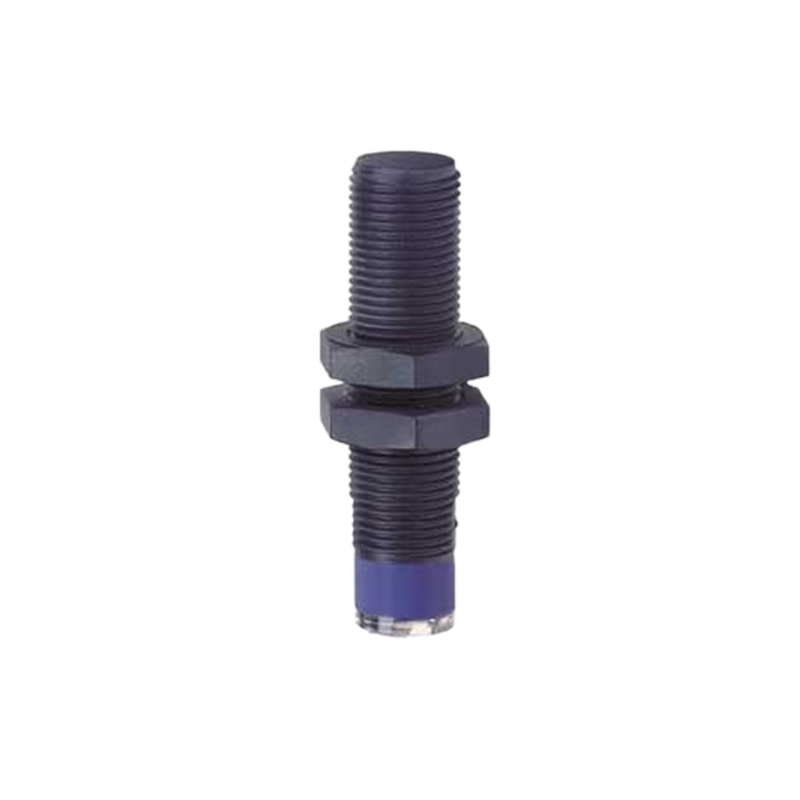
1. Robustness and Durability: R proximity sensors are renowned for their rugged construction. Typically housed in metal casings (often stainless steel or nickel-plated brass), they are highly resistant to physical impacts, vibrations, and mechanical stress. This makes them ideal for heavy-duty applications in manufacturing, material handling, and automotive industries where equipment is subject to constant wear and tear.
2. Environmental Immunity: A key strength is their insensitivity to environmental factors that plague other sensor types. They are unaffected by dust, dirt, oil, coolant, and other non-metallic contaminants. This allows for reliable operation in dirty or washdown environments without the need for frequent cleaning or maintenance, ensuring consistent performance in challenging conditions.
3. High Switching Frequency and Speed: Modern inductive R sensors offer very high switching frequencies, capable of detecting objects at speeds exceeding several kilohertz. This enables precise detection and counting of fast-moving metallic parts on conveyor lines or high-speed machinery, which is crucial for process synchronization and productivity.
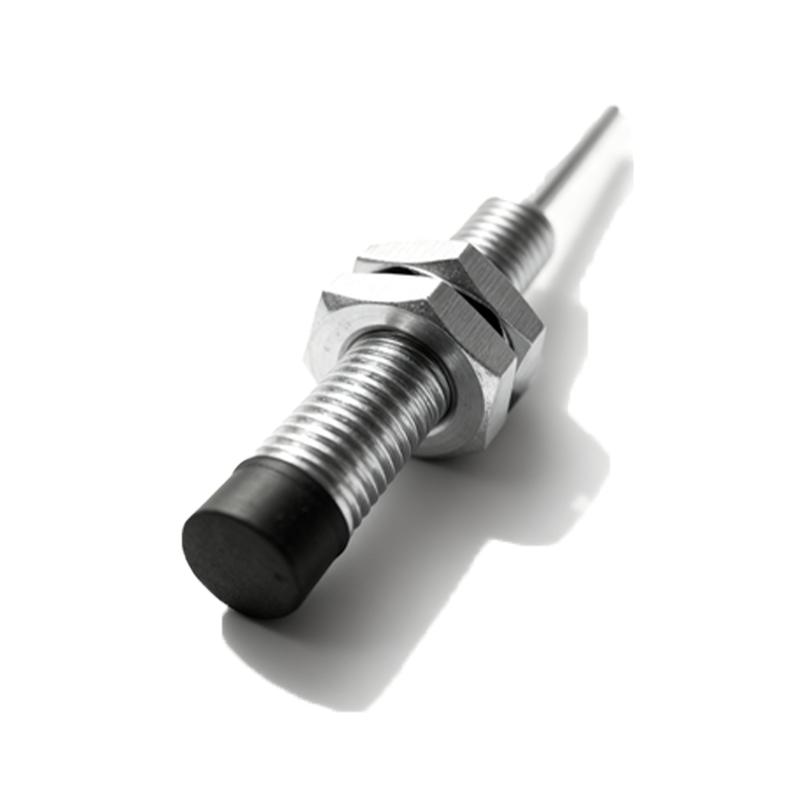
4. Non-Contact Operation: As a non-contact sensing technology, they eliminate physical wear on both the sensor and the target object. This leads to a dramatically longer operational lifespan compared to mechanical limit switches, reducing downtime and replacement costs. The absence of physical contact also allows for detection of fragile or easily damaged objects.
5. Simple Installation and Setup: These sensors are generally straightforward to install and integrate. Many models feature built-in LED indicators for status monitoring (power on, object detection). Their output is typically a clean, digital signal (PNP/NPN) that interfaces easily with Programmable Logic Controllers (PLCs) and other industrial control systems without complex signal conditioning.
6. Cost-Effectiveness for Metallic Targets: For applications requiring the detection of ferrous or non-ferrous metals, standard inductive R sensors offer an excellent balance of performance and cost. They are often more economical than capacitive or ultrasonic sensors for these specific use cases.
Disadvantages and Limitations of R Proximity Sensors
1. Material-Specific Detection: The most significant limitation is that standard inductive R sensors can only detect metallic objects. They are completely ineffective for detecting plastics, wood, glass, liquids, or most other non-metallic materials. This restricts their application scope. Special versions for detecting all metals exist but may have reduced sensing ranges or higher costs.
2. Limited Sensing Range: Compared to technologies like ultrasonic or photoelectric sensors, the nominal sensing range of an inductive proximity sensor is relatively short, typically from a few millimeters up to about 60-70 mm for larger models. This requires precise positioning of the sensor relative to the target path.
3. Effect of Target Material and Size: The effective sensing distance (Sn) is not absolute. It can vary depending on the type of metal (steel, aluminum, copper) and the size/shape of the target. A small or thin metal piece may not be detected at the sensor's full nominal range, necessitating careful selection and testing.
4. Mutual Interference: When multiple inductive sensors are mounted in close proximity to each other, their electromagnetic fields can interfere, causing false triggering or reduced sensing distances. This requires adherence to minimum mounting distances specified by the manufacturer or the use of sensors with built-in anti-interference technology, which can increase complexity and cost.
5. Temperature Sensitivity: While robust, extreme temperatures can affect performance. Very high ambient temperatures (often above 70-100°C depending on the model) can damage the internal coil and electronics, requiring the selection of specially rated high-temperature sensors.
6. Inability to Distinguish Between Metals: A standard sensor cannot differentiate between different types of metals or specific part shapes; it simply indicates the presence or absence of a conductive metal within its field. For identification tasks, other technologies like vision systems or RFID are required.
Conclusion
R (inductive) proximity sensors are a cornerstone of industrial sensing, offering unmatched durability, environmental resistance, and speed for metal detection tasks. Their advantages make them the default choice in countless machining, assembly, and packaging applications. However, their fundamental limitation to metallic targets and their finite sensing range necessitate a thorough analysis of the application requirements. Engineers must weigh these disadvantages against the operational benefits. For detecting non-metallics or requiring longer ranges, alternative sensor types like capacitive, ultrasonic