In industrial automation and control systems, metal proximity sensors are critical components for detecting the presence or absence of metallic objects without physical contact. However, a common issue faced by engineers and technicians is slow response times, which can lead to production inefficiencies, safety risks, or system failures. This article provides a detailed analysis diagram to identify and address the root causes of delayed responses in metal proximity sensors, based on industry experience and technical principles.
The analysis begins with the sensor's operating environment. Factors such as extreme temperatures, high humidity, or exposure to corrosive substances can degrade sensor performance. For instance, excessive heat may cause internal components to expand or malfunction, while moisture can lead to short circuits or signal interference. Additionally, electromagnetic interference (EMI) from nearby machinery or power lines can disrupt the sensor's inductive or capacitive fields, resulting in slower detection. Engineers should ensure proper shielding and grounding to mitigate these effects.
Next, the diagram highlights mechanical and installation issues. Incorrect mounting alignment or excessive distance between the sensor and the target metal object can reduce sensitivity. Metal proximity sensors have a specified sensing range; if the target is near the limit, response times may increase due to weaker signal strength. Vibration or mechanical shock can also loosen connections or damage internal circuitry. Regular inspection of mounting brackets, fasteners, and cable integrity is essential to maintain optimal performance.
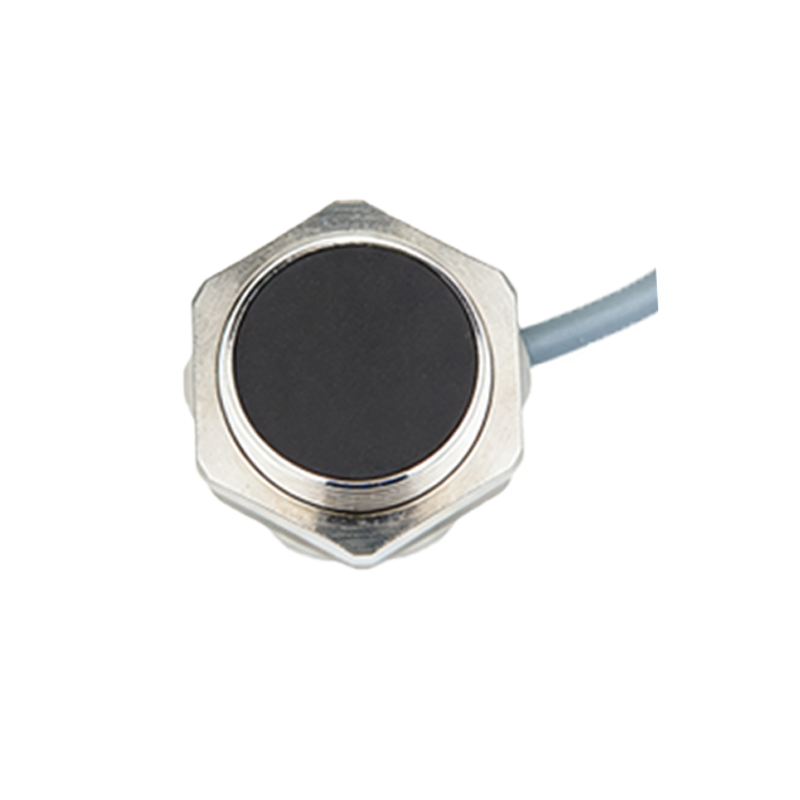
Electrical factors play a significant role in response delays. Power supply fluctuations, such as voltage drops or spikes, can affect the sensor's operation. Using an unstable or low-quality power source may cause the sensor to reset or operate intermittently. The analysis diagram emphasizes checking the power rating and ensuring compatibility with the sensor's specifications. Furthermore, wiring problems like loose terminals, frayed cables, or incorrect polarity can introduce resistance or noise, slowing down signal transmission. Implementing proper cable management and using shielded wires can help prevent these issues.
Sensor wear and aging are inevitable over time. The diagram points out that internal components, such as oscillators or amplifiers, may degrade with prolonged use, leading to reduced sensitivity and slower responses. Contamination from dust, oil, or metal shavings can accumulate on the sensor face, obstructing the detection field. Regular maintenance, including cleaning and calibration, is crucial to extend sensor lifespan. In some cases, replacing outdated sensors with newer models featuring faster response times (e.g., under 1 ms) may be necessary for high-speed applications.
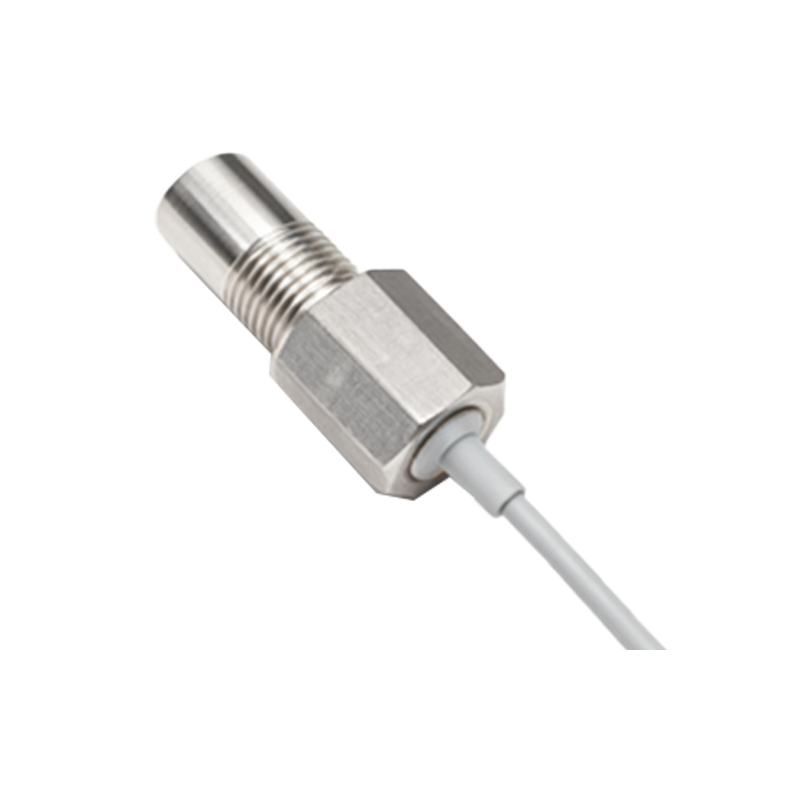
The target material characteristics also influence response speed. Different metals have varying conductivity and permeability, which affect how quickly the sensor detects them. For example, ferrous metals like iron are typically easier to detect than non-ferrous metals like aluminum. If the target material changes or has a thin or irregular surface, the sensor may require adjustment or recalibration. The analysis diagram suggests consulting the sensor's datasheet to understand its compatibility with specific metals and adjusting settings accordingly.
Finally, control system integration issues can contribute to slow responses. Delays in the programmable logic controller (PLC) or other interfacing devices may create bottlenecks. The diagram recommends verifying the sensor's output configuration (e.g., NPN vs. PNP) and ensuring it matches the control system's input requirements. Software settings, such as filter times or debounce parameters, should be optimized to balance noise immunity and response speed. Testing the entire loop with an oscilloscope or diagnostic tools can help pinpoint latency sources.
In summary, addressing slow response in metal proximity sensors requires a systematic approach. By following the analysis diagram—evaluating environmental, mechanical, electrical, and integration factors—engineers can diagnose and resolve issues efficiently. Proactive maintenance and adherence to manufacturer guidelines are key to ensuring reliable sensor performance in demanding industrial applications.