In the rapidly evolving landscape of industrial automation and smart systems, proximity sensors have become indispensable components. These non-contact devices detect the presence or absence of objects, enabling precise control, safety, and efficiency across countless applications—from automotive assembly lines and packaging machinery to consumer electronics and robotics. The global market for proximity sensors is highly competitive, driven by technological innovation, reliability, and the ability to meet diverse industry needs. This article provides an overview of leading companies that design, manufacture, and supply high-quality proximity sensors worldwide.
One of the most prominent names in the sensor industry is Sick AG. Headquartered in Germany, Sick is renowned for its innovative sensor solutions and factory automation expertise. The company offers a comprehensive portfolio of inductive, capacitive, and magnetic proximity sensors known for their robustness, high switching frequencies, and exceptional performance in harsh environments. Sick's sensors are integral to logistics, automotive, and material handling sectors, where precision and durability are paramount.
Another German powerhouse, ifm electronic gmbh, stands out for its user-friendly and reliable sensor technology. ifm specializes in inductive proximity sensors that feature advanced diagnostics, IO-Link communication capabilities, and robust housing designs suitable for demanding industrial conditions. Their products are widely used in process automation, mobile machinery, and manufacturing, praised for simplifying installation and maintenance while enhancing system intelligence.
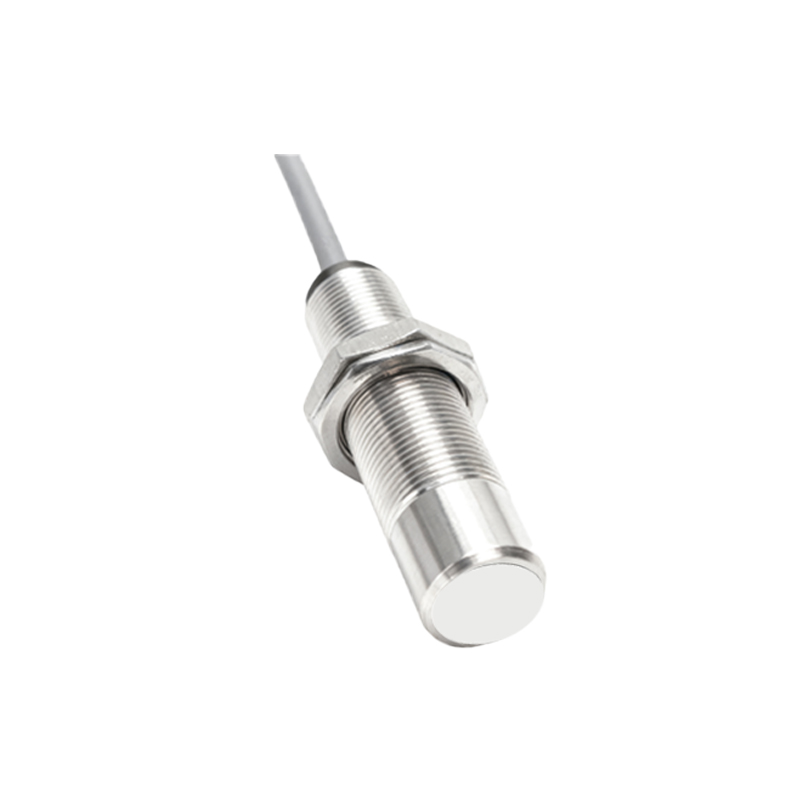
From Switzerland, Baumer Group excels in delivering high-precision sensor solutions. Baumer's proximity sensor range includes innovative designs with extremely small mounting dimensions, high temperature resistance, and exceptional resistance to electromagnetic interference. Their sensors cater to sophisticated applications in semiconductor manufacturing, pharmaceuticals, and food processing, where hygiene, accuracy, and reliability are critical.

Omron Corporation, a Japanese multinational, is a global leader in automation components. Omron's proximity sensors are celebrated for their miniaturization, long sensing distances, and enhanced noise immunity. The company provides a vast selection, including shielded and unshielded inductive models, as well as specialized sensors for specific environments. Omron’s strong presence in electronics, automotive, and healthcare industries underscores its commitment to quality and innovation.
Pepperl+Fuchs, also based in Germany, is a specialist in intrinsic safety and industrial sensor technology. The company offers an extensive array of inductive, capacitive, and ultrasonic proximity sensors designed for explosive atmospheres and extreme conditions. Their expertise in hazardous area applications makes them a preferred supplier for oil and gas, chemical, and pharmaceutical industries, ensuring safety and operational continuity.
In the United States, Rockwell Automation provides integrated automation solutions, including a robust line of Allen-Bradley proximity sensors. These sensors are known for their durability, easy integration with Rockwell's control systems, and suitability for heavy-duty applications in automotive, aerospace, and general manufacturing. Rockwell’s focus on connected enterprise solutions adds value through data collection and system diagnostics.
Balluff GmbH, another German sensor expert, offers innovative proximity sensors with features like multi-color LED status indicators, weld-field immunity, and hygienic designs for washdown areas. Balluff’s sensors are pivotal in automation, robotics, and assembly systems, providing high precision and flexibility to adapt to complex production requirements.
Emerging and specialized players also contribute significantly. Companies like Turck, Carlo Gavazzi, and Panasonic offer competitive products with unique advantages, such as extended range, compact form factors, or cost-effective solutions for high-volume applications. Furthermore, regional suppliers and distributors play a crucial role in providing localized support, customization, and rapid delivery, ensuring that businesses of all sizes can access the sensor technology they need.
Selecting the right proximity sensor supplier depends on various factors: application-specific requirements (sensing distance, material, environment), industry certifications, communication protocols (like IO-Link), and after-sales support. Leading companies distinguish themselves through continuous R&D, global service networks, and adherence to international standards (e.g., IEC, UL, ATEX).
In conclusion, the proximity sensor market is dominated by established European, Japanese, and American manufacturers that set benchmarks for quality and innovation. As Industry 4.0 and the Internet of Things (IoT) advance, these companies are increasingly integrating smart features, such as predictive maintenance and data exchange capabilities, into their sensors. Whether for standard detection tasks or complex automated systems, partnering with a reputable manufacturer ensures reliability, efficiency, and a competitive edge in today’s automated world.