In the realm of industrial automation and machinery, proximity sensors are indispensable components for non-contact detection of objects. Their reliable operation is critical for safety, precision, and efficiency. While much attention is given to the sensor's sensing technology, range, and output type, a seemingly minor component often plays a pivotal role in ensuring long-term performance: the lock washer. This article delves into the specific functions and importance of lock washers in proximity sensor installations.
A proximity sensor is typically mounted using a threaded body or a separate mounting nut. The primary function of this fastening is to hold the sensor securely in its designated position within a bracket or housing. However, industrial environments are rife with challenges that can compromise this security. Constant vibration from motors, conveyors, or other machinery is the most significant threat. Over time, standard nuts and bolts can gradually loosen due to these vibrational forces—a phenomenon known as "vibration loosening" or "spontaneous loosening." When a proximity sensor loosens, even a slight shift in its position can have severe consequences.
This is where the lock washer enters the equation. Its core purpose is to prevent the loosening of the fastener due to vibration, thermal cycling, or dynamic loads. For proximity sensors, this translates directly to maintaining positional integrity. A sensor that has moved a few millimeters may fail to detect a target, leading to machine stoppages, faulty process sequencing, or even safety hazards in critical applications. By resisting loosening, the lock washer ensures the sensor's sensing face remains precisely aligned with its intended detection path.
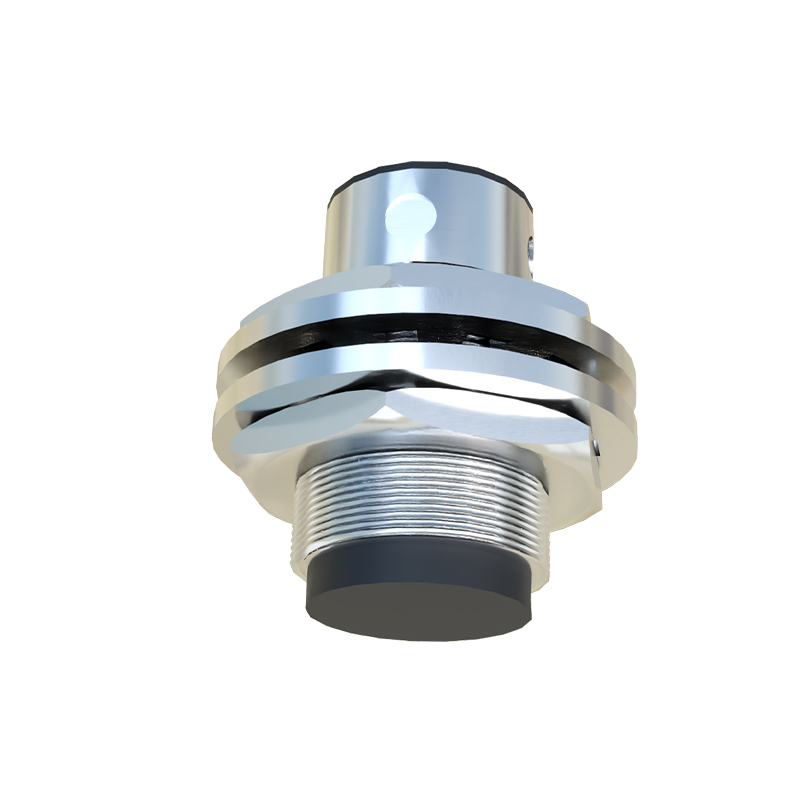
Several types of lock washers are employed in electrical and sensor applications, each with a slightly different mechanism. The most common types include:
Split Lock Washers (Helical Spring Washers): These are perhaps the most recognizable. When compressed under the nut, the split ends dig into both the nut and the mounting surface, creating increased friction and a spring action that resists rotational loosening.
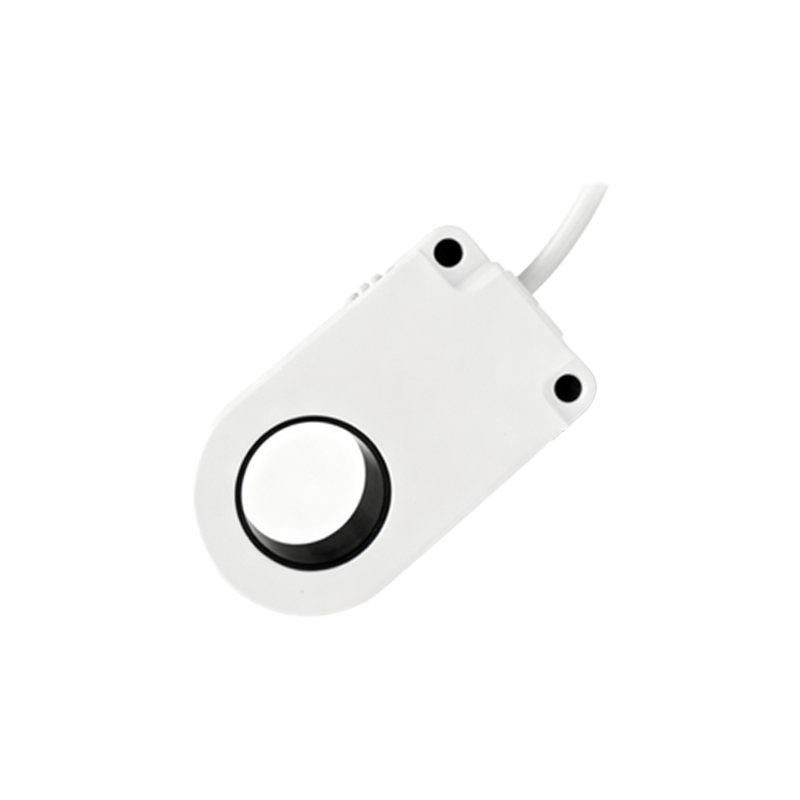
Internal/External Tooth Lock Washers: These washers have teeth that bite into the contact surfaces. Internal tooth washers are often used under bolt heads, while external tooth washers are typically used under nuts. The teeth provide a strong biting action, preventing rotation.
Conical Spring Washers (Belleville Washers): These washers provide a high spring force in a small space. They are particularly effective in applications with significant thermal expansion or where a precise preload needs to be maintained.
The choice of lock washer for a proximity sensor depends on the mounting style and the environment. For a standard cylindrical inductive or capacitive sensor with a hex nut, a split lock washer or an external tooth washer is commonly placed between the nut and the mounting bracket. For sensors mounted in a threaded hole, a washer might be used under the sensor's own housing if designed with a flange.
Beyond vibration resistance, lock washers also help maintain proper electrical grounding in certain configurations. Some proximity sensors, especially those with metal housings, rely on a solid mechanical connection to the machine frame for electrical noise immunity and ground continuity. A loose sensor can create a high-resistance connection, making the system susceptible to electromagnetic interference (EMI) and potentially causing erratic behavior. A lock washer ensures a tight, stable connection, promoting better electrical contact.
Installation practice is crucial. The correct order is typically: mounting surface > lock washer > flat washer (if used) > nut. The fastener must be torqued to the manufacturer's specifications. Over-torquing can flatten a spring washer, rendering it ineffective, or damage the sensor housing. Under-torquing will not generate sufficient clamping force for the lock washer to function.
In conclusion, while a lock washer is a simple, low-cost component, its role in a proximity sensor assembly is profoundly important. It acts as a guardian against vibrational loosening, directly contributing to the sensor's positional stability, detection reliability, and operational longevity. Specifying and installing the correct lock washer is not an afterthought but a fundamental aspect of professional sensor installation, ensuring that the sophisticated sensing technology within performs flawlessly in demanding industrial environments. Neglecting this small component can lead to disproportionate costs in downtime, troubleshooting, and compromised system integrity.