In the realm of industrial automation and machinery, precision, reliability, and safety are paramount. Among the myriad of components that ensure these standards are met, the embedded proximity switch sensor stands out as a critical, yet often understated, element. This article delves into the fundamental role, operational principles, and diverse applications of these sensors, highlighting their indispensable contribution to modern engineering systems.
An embedded proximity switch sensor, often simply called a proximity sensor, is a non-contact device designed to detect the presence or absence of an object within its sensing range without any physical contact. The term "embedded" typically refers to its installation style; it is mounted flush within a metal bracket or housing, allowing for a smooth, protected surface. This design is crucial in environments where space is constrained or where the sensor must be shielded from mechanical damage, debris, or harsh conditions. The core technology can be based on several principles, with inductive and capacitive being the most prevalent in industrial settings.
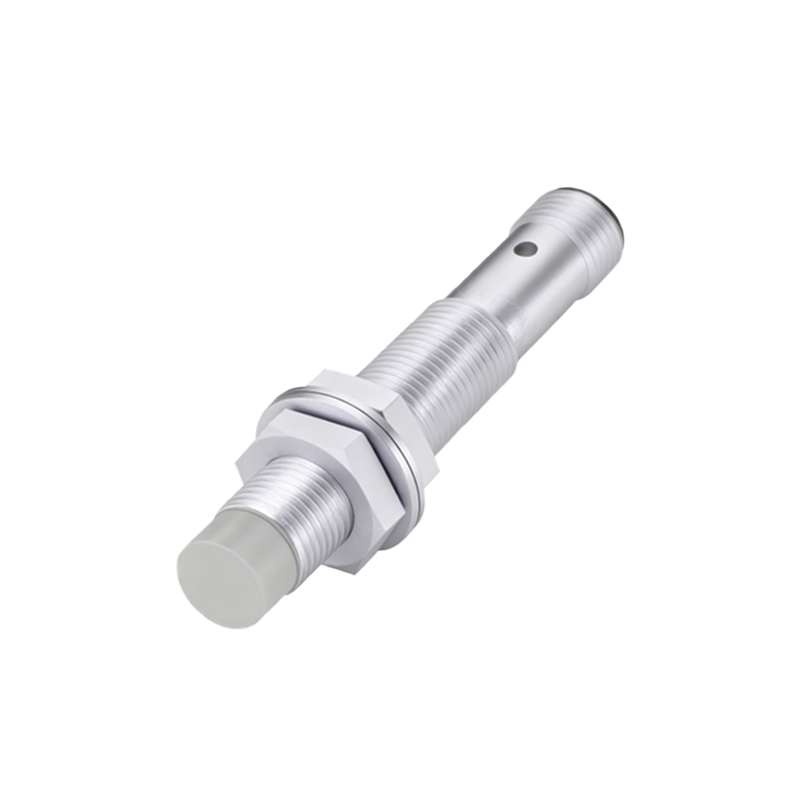
Inductive proximity sensors are the workhorses for detecting metallic objects. They operate by generating an electromagnetic field from a coil in the sensor's face. When a ferrous or non-ferrous metal object enters this field, it induces eddy currents within the object, which in turn causes a change in the oscillation amplitude of the sensor's internal circuit. This change is detected and triggers a solid-state switch, sending an output signal. Their robustness, high switching frequency, and immunity to environmental factors like dust, oil, or moisture make them ideal for heavy-duty applications. Common uses include position sensing in CNC machines, detecting the presence of metal parts on conveyor belts, and serving as limit switches in automated assembly lines.
Capacitive proximity sensors, on the other hand, can detect both metallic and non-metallic materials, including liquids, plastics, glass, and wood. They function by generating an electrostatic field. Any object that enters this field alters the capacitance of the sensor's circuit, leading to a state change and output signal. This versatility makes them perfect for applications like liquid level detection in tanks, monitoring the fill level of granular materials in hoppers, or detecting the presence of plastic or glass bottles on packaging lines.
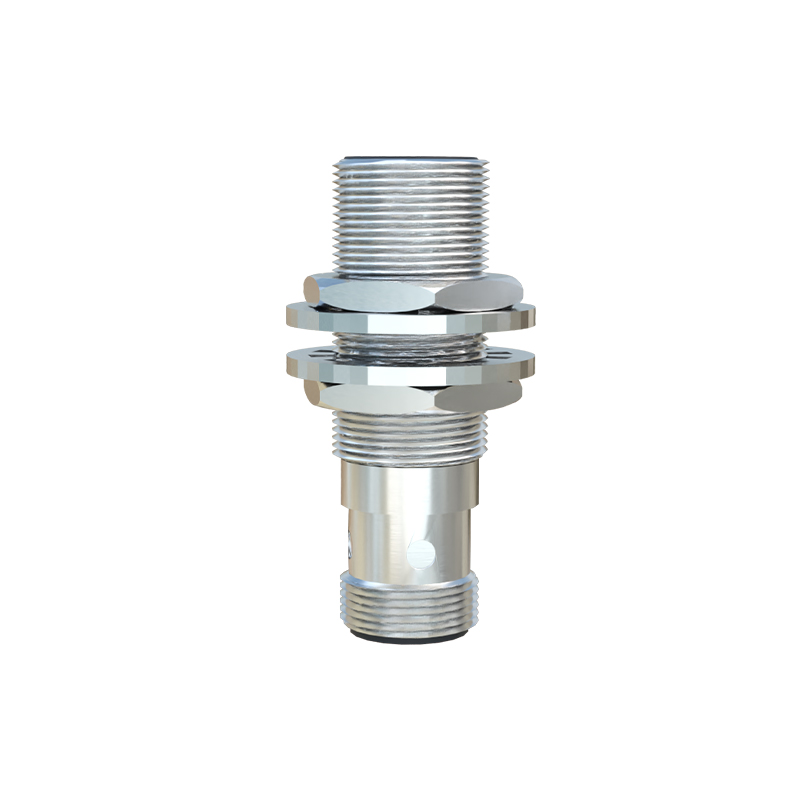
The primary role of an embedded proximity switch is to provide a discrete, on/off signal for control and monitoring purposes. This signal is fed into a Programmable Logic Controller (PLC) or other control system, which then initiates a predefined action. For instance, a sensor might detect a part reaching the end of a slide, signaling the PLC to activate a robotic arm for pick-and-place operations. Their embedded nature offers significant advantages: it minimizes the risk of accidental impact, prevents snagging, and allows for easier cleaning in sanitary environments like food and beverage processing.
Beyond basic detection, these sensors are pivotal for safety and efficiency. In safety systems, they can act as interlock switches on machine guards, ensuring the machine cannot operate unless a protective door is securely closed. For efficiency, they enable precise positioning, counting, and sorting of items, directly contributing to lean manufacturing and just-in-time production processes. Their solid-state design ensures a long operational life with millions of switching cycles, far exceeding that of traditional mechanical limit switches.
The selection of an appropriate embedded proximity sensor depends on several factors: the material of the target object, the required sensing distance, the environmental conditions (temperature, presence of chemicals), the required output type (PNP/NPN, NO/NC), and the electrical specifications. Proper installation is equally critical; ensuring correct alignment, adequate clearance from surrounding metals (to prevent false triggering), and secure mounting guarantees optimal performance.
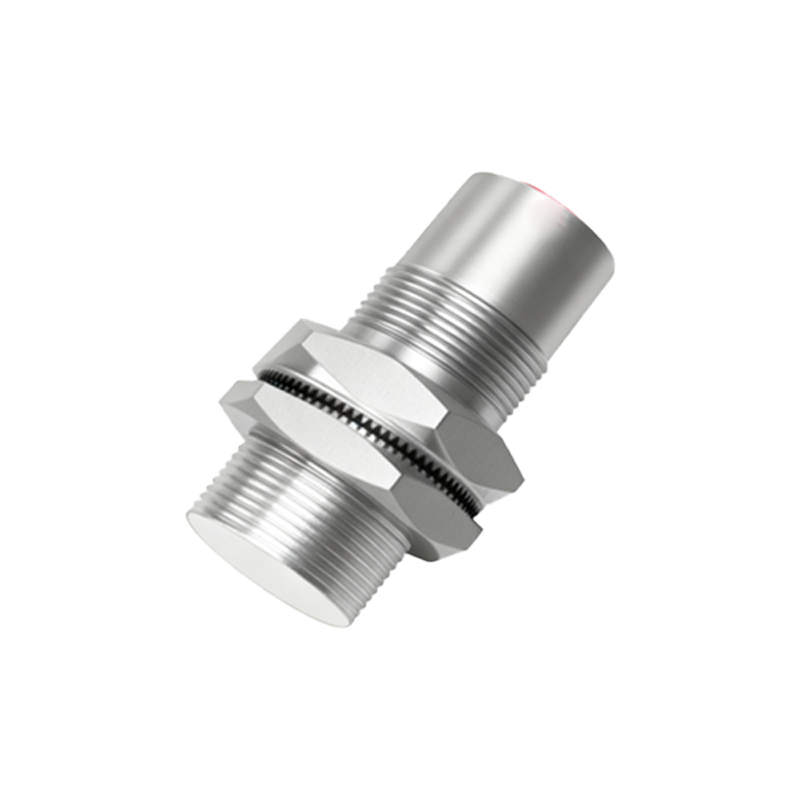
In conclusion, embedded proximity switch sensors are fundamental enablers of automation. Their ability to provide reliable, non-contact detection in compact and protected form factors makes them a cornerstone of modern industrial design. From automotive manufacturing and material handling to packaging and beyond, these silent sentinels work continuously to enhance productivity, ensure quality control, and safeguard both equipment and personnel. As Industry 4.0 and the Internet of Things (IoT) continue to evolve, the integration of smart sensors with diagnostic capabilities and network connectivity will further expand the role of these essential components, driving the next wave of industrial innovation.