Proximity sensors are essential components in modern industrial automation, enabling non-contact detection of objects within a specified range. These devices are widely used across manufacturing, robotics, automotive, and packaging industries due to their reliability, durability, and ability to operate in harsh environments. Unlike mechanical switches, proximity sensors eliminate physical contact, reducing wear and tear and minimizing maintenance needs.
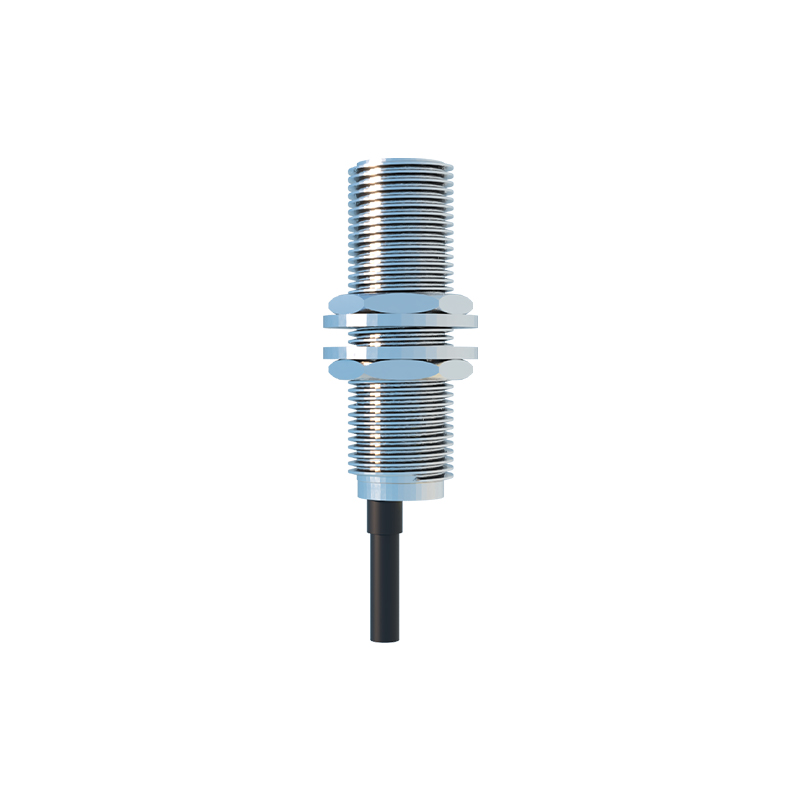
The most common types of proximity sensors include inductive, capacitive, ultrasonic, and photoelectric sensors. Inductive proximity sensors are primarily used for detecting metallic objects. They generate an electromagnetic field and trigger a signal when a metal target enters this field. These sensors are ideal for applications involving machinery parts, conveyor systems, or metal detection in automotive assembly lines. Their robustness makes them suitable for environments with dust, oil, or vibrations.
Capacitive proximity sensors can detect both metallic and non-metallic materials, such as plastics, liquids, or granular substances. They work by measuring changes in capacitance when an object enters their electrostatic field. This versatility allows them to be used in level detection for tanks, material handling, or presence sensing in food processing industries. However, they may be sensitive to environmental factors like humidity or temperature fluctuations.
Ultrasonic proximity sensors utilize sound waves to detect objects, regardless of their material composition. They emit high-frequency ultrasonic pulses and measure the time taken for the echo to return. These sensors are effective for distance measurement, object positioning, and transparent material detection. Common applications include liquid level control, collision avoidance in automated guided vehicles (AGVs), and packaging line monitoring. Their performance can be affected by air turbulence or soft materials that absorb sound waves.
Photoelectric proximity sensors rely on light beams, typically infrared or laser, to sense objects. They consist of an emitter and a receiver, detecting interruptions in the light beam. These sensors offer long-range detection and high precision, making them suitable for applications like counting items on a conveyor, detecting transparent objects, or ensuring safety in automated machinery. Variants include through-beam, retro-reflective, and diffuse reflection types, each suited to specific operational needs.
When selecting a proximity sensor, engineers must consider factors such as sensing distance, target material, environmental conditions, and response time. For instance, inductive sensors are preferred for metal detection in oily environments, while capacitive sensors excel in liquid or powder applications. Installation and alignment are critical to ensure optimal performance, and regular calibration may be required for sensors like ultrasonic or photoelectric types.
Advancements in proximity sensor technology have led to the development of smart sensors with integrated diagnostics, IO-Link communication, and enhanced resistance to interference. These features improve system integration, predictive maintenance, and overall efficiency in industrial setups. As Industry 4.0 evolves, proximity sensors continue to play a pivotal role in enabling real-time monitoring and automation, contributing to safer and more productive operations.
In summary, proximity sensors are indispensable tools in industrial automation, offering diverse solutions for object detection without physical contact. By understanding their types, principles, and applications, engineers can optimize system design and enhance operational reliability across various sectors.