In the realm of industrial automation and machine control, proximity switches are indispensable components for non-contact object detection. Among the various configurations available, the two-wire, 12-volt DC (12VDC) proximity sensor stands out for its simplicity, reliability, and widespread application. This article delves into the operational principles, key advantages, wiring considerations, and typical use cases of these ubiquitous sensors, providing a comprehensive overview for electrical engineers and system designers.
At its core, a two-wire 12V proximity switch is a solid-state electronic device designed to detect the presence or absence of a metallic target (ferrous or non-ferrous, depending on the type) without physical contact. The "two-wire" designation is crucial: unlike three-wire or four-wire sensors that have separate power, ground, and signal output lines, a two-wire sensor integrates its switching function directly into the power supply loop. It operates in series with the load (e.g., a PLC input, relay coil, or indicator lamp) and the 12VDC power source. In its normal state (no target detected), a small leakage or quiescent current flows, insufficient to activate the load. When a target enters the sensor's sensing range, the internal electronic switch closes (for a normally open, NO, configuration), allowing the full operating current to pass through, thus energizing the load. This design elegantly eliminates the need for a separate output wire, simplifying installation and reducing wiring costs.
The advantages of two-wire 12V sensors are significant, particularly in cost-sensitive or space-constrained applications. Their primary benefit is wiring simplicity. With only two wires to connect—effectively acting as both power and signal lines—installation is faster, and the potential for wiring errors is minimized. This also reduces the number of required cable cores and terminal points. Furthermore, their compatibility with standard 12VDC control circuits, common in automotive, mobile equipment, and many industrial control panels, makes them highly versatile. They can often directly replace mechanical limit switches, offering longer life expectancy due to the absence of moving parts and contact arcing. The 12V operating voltage is also considered a safe extra-low voltage (SELV) in many contexts, enhancing operational safety.
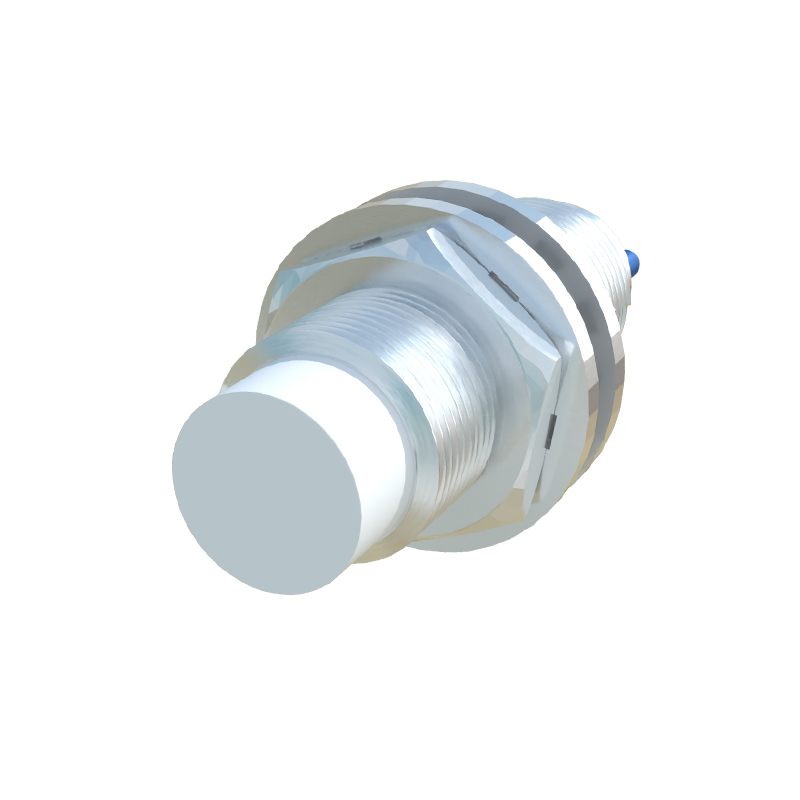
However, engineers must carefully consider several critical parameters during selection and circuit design. The leakage current is paramount. Even in the "off" state, a two-wire sensor allows a small current (typically 1-2 mA) to flow. This current must be lower than the minimum holding or "drop-out" current of the connected load (like a relay or PLC input module) to prevent false activation. Conversely, the minimum operating current is the current the sensor requires to function correctly once switched on. The connected load must draw at least this amount of current when powered. If the load resistance is too high (drawing insufficient current), the sensor may not switch on properly. This often necessitates using a bleeder resistor in parallel with a high-impedance load to ensure the minimum current requirement is met. Voltage drop across the sensor in the "on" state is another factor, as it slightly reduces the voltage available to the load.
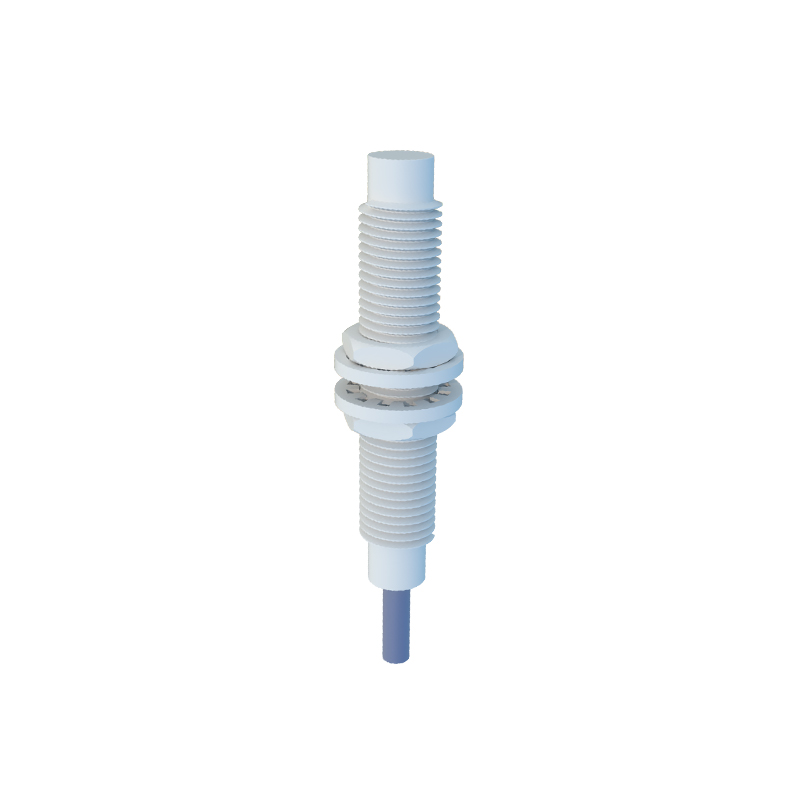
Wiring a two-wire 12V sensor is straightforward. The two leads are connected in series with the DC power supply and the load. Polarity is essential; these sensors are almost exclusively designed for DC operation and are polarity-sensitive. The brown wire (or positive marked lead) is typically connected to the positive side of the 12VDC supply, and the blue wire (or negative marked lead) is connected to one terminal of the load. The other terminal of the load is then connected back to the negative side of the supply, completing the series circuit. It is vital to consult the manufacturer's datasheet for the specific model regarding sensing range (e.g., 2mm, 5mm, 8mm), housing material (e.g., brass, stainless steel, PBT plastic), IP rating for environmental protection, and output configuration (normally open or normally closed).
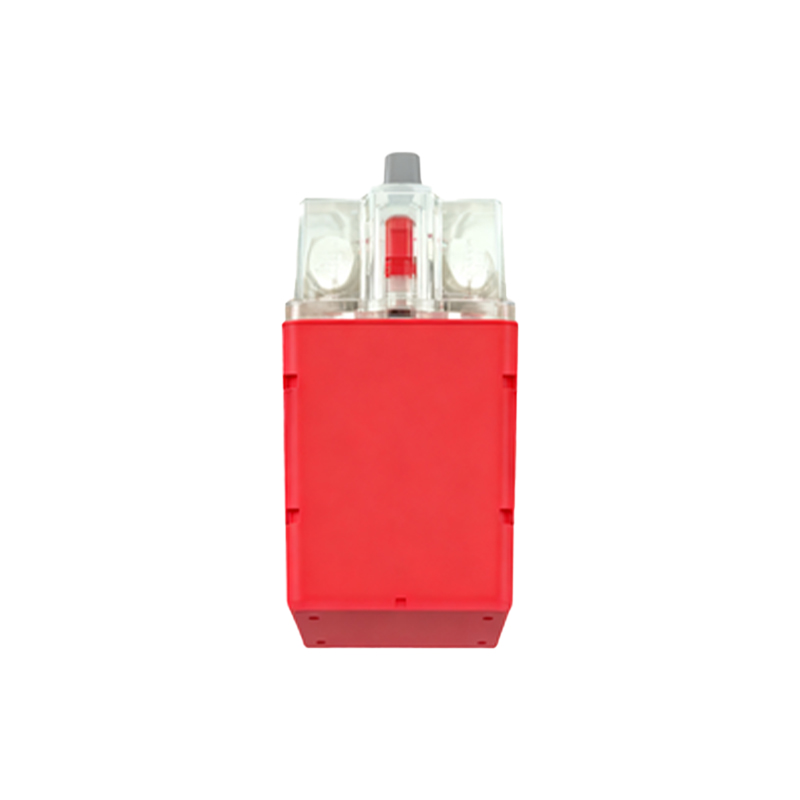
Typical applications for two-wire 12V proximity sensors are vast. They are extensively used in machine tools for position sensing of slides and tool changers, in conveyor systems for part counting and jam detection, in automotive assembly for verifying component presence, and in packaging machinery for controlling product flow. Their robust design makes them suitable for harsh environments with vibration, dust, or moisture, provided the correct housing and IP rating are selected.
In conclusion, the two-wire 12VDC proximity switch represents an optimal balance of functionality and economy for countless detection tasks. Its integration into a control circuit is elegantly simple, yet a thorough understanding of its electrical characteristics—leakage current, minimum operating current, and voltage drop