In the rapidly evolving landscape of smart home technology, the integration of proximity sensors into smart toilets represents a significant leap forward in both hygiene and user convenience. As a seasoned electrical engineer specializing in sensor applications, I have observed firsthand how these sophisticated components are transforming everyday bathroom experiences. Proximity sensors, often based on infrared (IR) or capacitive sensing principles, are now a cornerstone of modern smart toilet systems, offering a touchless interface that aligns with contemporary health standards and user expectations.
At its core, a proximity sensor in a smart toilet detects the presence or absence of a user without physical contact. Typically, an IR sensor emits an infrared beam that reflects off an object—such as a person approaching—and measures the return signal to determine distance. This technology enables automatic functions like lid opening and closing, flushing, and seat activation, which not only reduce germ transmission but also enhance accessibility for individuals with mobility challenges. For instance, when a user approaches within a preset range, the sensor triggers the lid to open seamlessly, eliminating the need for manual handling. Similarly, after use, the sensor can initiate a flush once the user moves away, ensuring efficient water usage and maintaining cleanliness.
From an engineering perspective, the design and implementation of these sensors require meticulous attention to detail. Factors such as sensor range, response time, and environmental interference must be carefully calibrated. In smart toilets, sensors are often tuned to detect objects within 10 to 50 centimeters, with a fast response time to prevent false triggers—like from pets or passing objects. Additionally, they must operate reliably in humid bathroom conditions, which can affect IR signals or capacitive fields. Advanced models incorporate algorithms to filter out noise and adapt to varying lighting, ensuring consistent performance. The power management of these sensors is also critical; many are designed with low-energy modes to extend battery life in wireless setups or integrate with the toilet's main power supply for continuous operation.
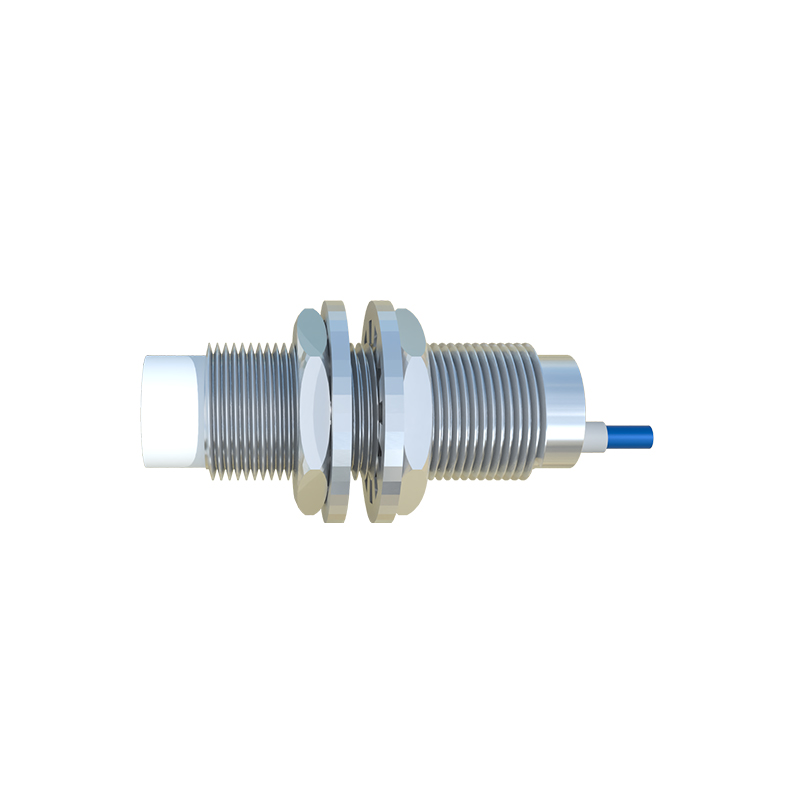
The benefits of proximity sensors extend beyond mere convenience. In terms of hygiene, touchless operation minimizes contact with surfaces that can harbor bacteria, reducing the risk of cross-contamination—a feature particularly valued in public restrooms and healthcare facilities. Moreover, smart toilets equipped with these sensors contribute to water conservation by optimizing flush cycles based on user presence, aligning with sustainability goals. For example, some systems use dual-flush mechanisms activated by sensor data, dispensing less water for liquid waste and more for solid waste, thereby conserving resources without compromising functionality.
Looking ahead, the future of proximity sensors in smart toilets is poised for further innovation. Emerging trends include the integration of AI and machine learning to personalize user experiences, such as adjusting seat temperature or bidet settings based on individual preferences detected via sensor patterns. Additionally, the development of more compact and cost-effective sensor modules will likely drive wider adoption in residential markets. As an engineer, I anticipate advancements in multi-sensor fusion, where proximity data is combined with other inputs like pressure sensors or voice commands to create even more intuitive and responsive systems.
In conclusion, proximity sensors are indispensable components in the modern smart toilet ecosystem, blending electrical engineering precision with practical benefits. They exemplify how sensor technology can elevate everyday appliances into intelligent, health-conscious devices. As the industry continues to evolve, ongoing research and development will undoubtedly refine these sensors, making them more reliable, efficient, and integral to the smart homes of tomorrow. For professionals and consumers alike, understanding the role of proximity sensors highlights the intersection of innovation, hygiene, and user-centric design in today's technological landscape.