In the realm of industrial automation and electrical engineering, S8 proximity sensors play a pivotal role in ensuring precise, non-contact detection of objects. These sensors, known for their robust design and high reliability, are widely utilized across various applications, from manufacturing lines to safety systems. However, understanding how to effectively block or manage their operation is crucial for optimizing performance and preventing unintended disruptions. This article delves into the principles behind S8 proximity sensors, explores common blocking scenarios, and provides practical insights for engineers and technicians.
S8 proximity sensors operate based on electromagnetic or capacitive principles, depending on the specific model. Inductive versions detect metallic objects by generating an oscillating electromagnetic field, while capacitive types respond to both metallic and non-metallic materials by measuring changes in capacitance. When an object enters the sensing range, it alters the sensor's field, triggering an output signal that can control machinery, activate alarms, or log data. The typical sensing distance for S8 sensors ranges from a few millimeters to several centimeters, making them ideal for close-range applications where accuracy is paramount.
Blocking an S8 proximity sensor refers to intentionally or unintentionally preventing it from detecting targets. This can occur due to several factors, such as environmental interference, incorrect installation, or physical obstructions. For instance, metallic debris or other sensors operating at similar frequencies might cause false triggers or signal attenuation. Additionally, improper alignment or mounting can reduce the effective sensing area, leading to missed detections. In some cases, engineers may deliberately block sensors during maintenance or testing phases to simulate conditions or ensure safety protocols.
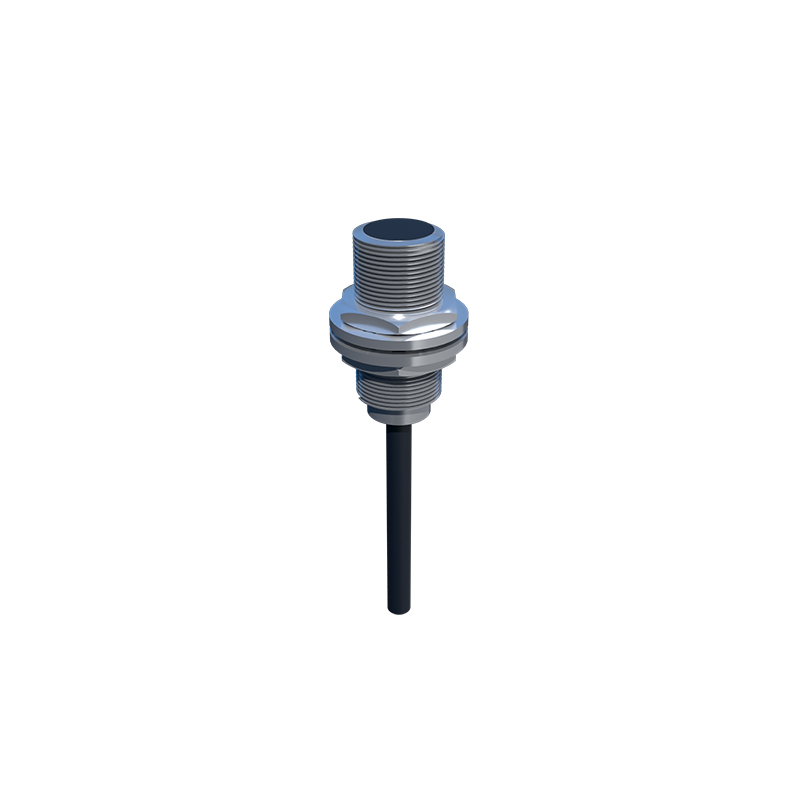
To mitigate unwanted blocking, it is essential to follow best practices in sensor deployment. First, ensure the sensor is installed in a clean, stable environment away from sources of electromagnetic interference, such as motors or high-voltage cables. Regular maintenance, including cleaning the sensor face and checking for physical damage, can prevent buildup that might impede performance. For applications requiring precise blocking control, consider using shielding materials or adjustable sensitivity settings. Many S8 models feature built-in diagnostics and LED indicators to help identify blockage issues in real-time, allowing for quick troubleshooting.
In scenarios where intentional blocking is necessary—such as in safety interlocks or system calibration—engineers should implement fail-safe mechanisms. For example, integrating redundant sensors or using programmable logic controllers (PLCs) to monitor sensor states can prevent machinery from operating under unsafe conditions. It is also advisable to document blocking procedures and train personnel on proper handling to avoid accidental damage or operational errors.
Looking ahead, advancements in S8 proximity sensor technology continue to enhance their resistance to blocking and environmental challenges. Innovations like improved housing materials, enhanced signal processing algorithms, and wireless connectivity options are making these sensors more adaptable to complex industrial settings. By staying informed about these developments, engineers can leverage S8 sensors to build more efficient and reliable automation systems.
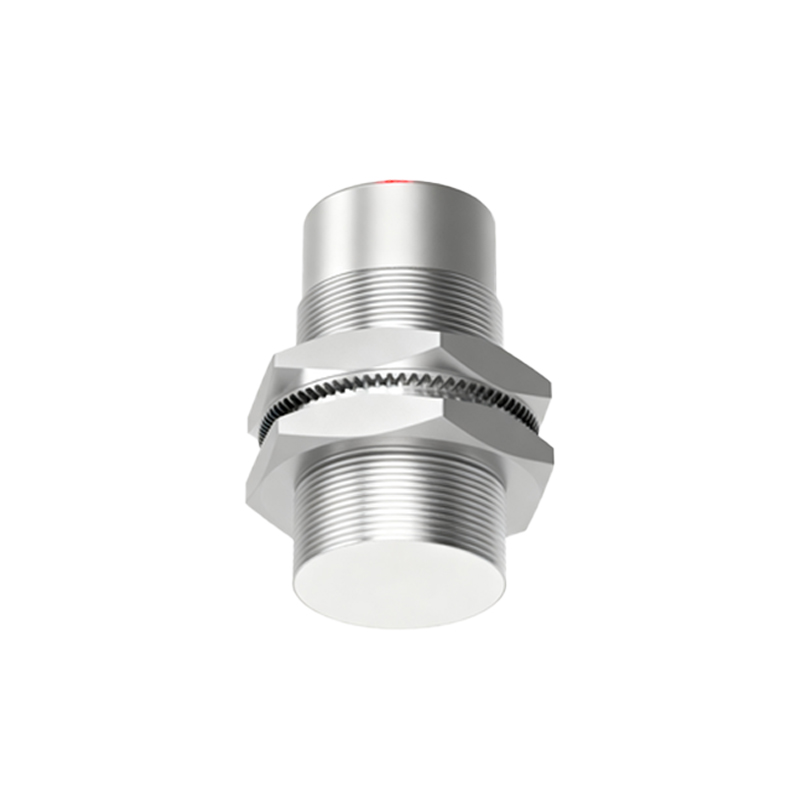
In summary, S8 proximity sensors are indispensable tools in modern electrical engineering, but their effectiveness hinges on proper management of blocking factors. Through careful installation, routine maintenance, and strategic design, professionals can maximize sensor performance while minimizing downtime. Whether dealing with accidental obstructions or planned interventions, a thorough understanding of sensor mechanics ensures optimal outcomes in diverse applications.