In the realm of industrial automation and process control, the reliable detection and monitoring of liquid levels is paramount for ensuring operational efficiency, safety, and product quality. Liquid level proximity sensors, a critical subset of level measurement technology, offer non-contact, precise, and often maintenance-free solutions for a vast array of applications, from chemical processing and water treatment to food & beverage and pharmaceutical manufacturing. The supply chain and selection criteria for these sensors are complex, demanding a thorough understanding of both technological specifications and application-specific challenges.
The core principle of a liquid level proximity sensor involves detecting the presence or absence of a liquid at a predetermined point without physical contact. Common technologies include capacitive, inductive, ultrasonic, and optical sensors. Capacitive sensors detect changes in the dielectric constant between the sensor face and the target liquid. They are versatile, capable of detecting both conductive and non-conductive liquids through non-metallic tank walls, making them ideal for applications involving aggressive chemicals or sterile environments. Inductive sensors, on the other hand, are designed specifically for conductive liquids, as they detect changes in an electromagnetic field. Ultrasonic sensors calculate distance by emitting sound waves and measuring their echo time, suitable for continuous level monitoring. Optical sensors use infrared light and are excellent for detecting clear or opaque liquids with high precision and fast response times.
When sourcing these sensors, several critical supply factors must be evaluated. First and foremost is sensor material compatibility. The wetted parts of the sensor—typically the sensing face, housing, and seals—must be constructed from materials resistant to the liquid's chemical properties to prevent corrosion, degradation, or contamination. Common materials include stainless steel (e.g., 316L), PTFE, PEEK, and various elastomers like FKM or EPDM. Suppliers must provide detailed chemical resistance charts to guide this selection.
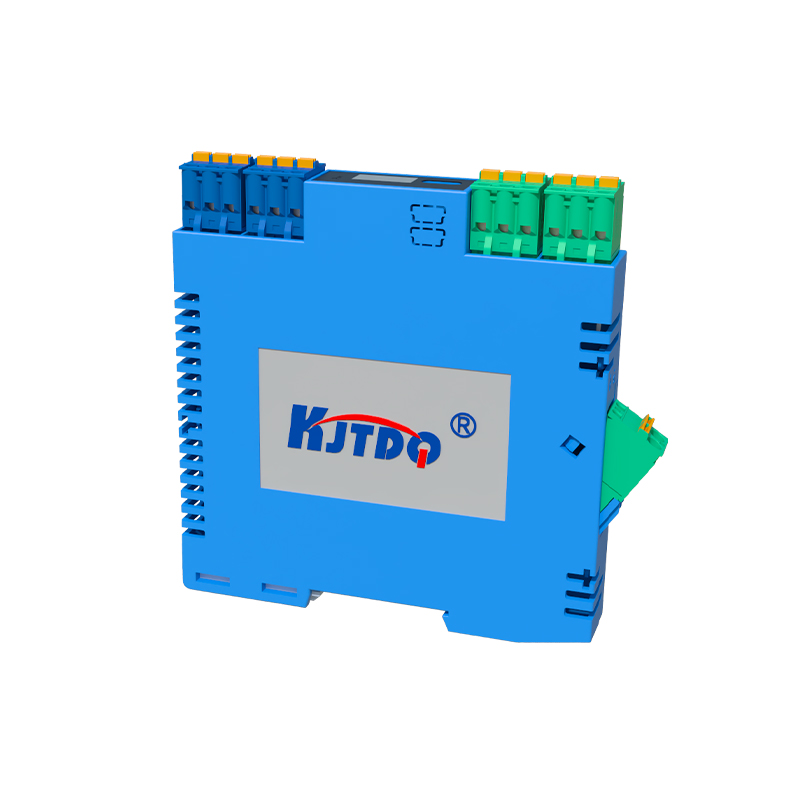
The second key consideration is the process connection and installation. Sensors are supplied with various thread types (NPT, BSP, G), flange mounts, or sanitary fittings like Tri-Clamp for hygienic industries. The installation environment dictates the required Ingress Protection (IP) rating, with IP67 or IP69K being standard for washdown areas in food processing. Furthermore, the operating temperature and pressure ranges must exceed the process conditions to ensure longevity and avoid sensor failure.
Electrical characteristics form another pillar of the supply specification. This includes the output type—discrete (PNP/NPN) or analog (4-20mA, 0-10V)—and the supply voltage (commonly 10-30V DC). Intrinsic safety certifications (ATEX, IECEx) are non-negotiable for use in hazardous areas with potentially explosive atmospheres. The sensing range and repeatability must be clearly defined by the supplier to match the application's precision requirements.
Beyond the hardware, the reliability of the sensor supply chain itself is crucial. Engineers and procurement specialists should partner with suppliers or manufacturers who offer robust technical support, comprehensive documentation, and consistent quality control. Availability of customization, such as specific cable lengths, connector types, or special sensing ranges, is a significant advantage. Lead times and global logistics capabilities are also vital for maintaining uninterrupted production.
In practice, selecting the right sensor involves a detailed process analysis. For instance, in a brewery's fermentation tank, a capacitive sensor with a PTFE face and sanitary fitting might be chosen to detect beer level without risking contamination. In a hydraulic oil reservoir, an inductive sensor with a rugged brass housing could be specified for its durability. For controlling the level of highly corrosive acid in a chemical reactor, an optical sensor with a PFA coating and a 4-20mA output for precise monitoring would be a potential solution.
Ultimately, navigating the supply landscape for liquid level proximity sensors requires a balanced approach that weighs technological capability against practical application demands. By meticulously defining the process media, environmental conditions, and performance expectations, engineers can specify and source sensors that deliver not just a signal, but reliable, long-term value—minimizing downtime, enhancing safety, and optimizing the entire fluid handling process. The partnership with a knowledgeable supplier acts as a force multiplier, turning a simple component purchase into a strategic investment in plant reliability.