In the realm of industrial automation and control, proximity sensors are indispensable components, acting as the silent sentinels that detect the presence or absence of objects without physical contact. Among the diverse families of these sensors, the 9x series has carved out a significant niche, renowned for its reliability, versatility, and robust performance in demanding environments. This article delves into the technical specifications, operational principles, and key application areas of 9x proximity sensors, providing a detailed overview for engineers and technicians.
Fundamentally, a 9x proximity sensor is an electronic device designed to detect metallic or, in some variants, non-metallic targets within its sensing range. The "9x" designation typically refers to a specific product line or form factor characterized by a compact, cylindrical housing, often with an M8, M12, or M18 threaded barrel. This standardized form factor ensures easy integration into machinery and fixtures. The core technology behind most 9x sensors is inductive sensing. An inductive proximity sensor generates an oscillating electromagnetic field from its face. When a metallic object enters this field, eddy currents are induced in the target, causing a change in the oscillation amplitude. This change is detected by the sensor's internal circuitry, which subsequently triggers a solid-state switch (typically PNP or NPN output) to signal the object's presence.
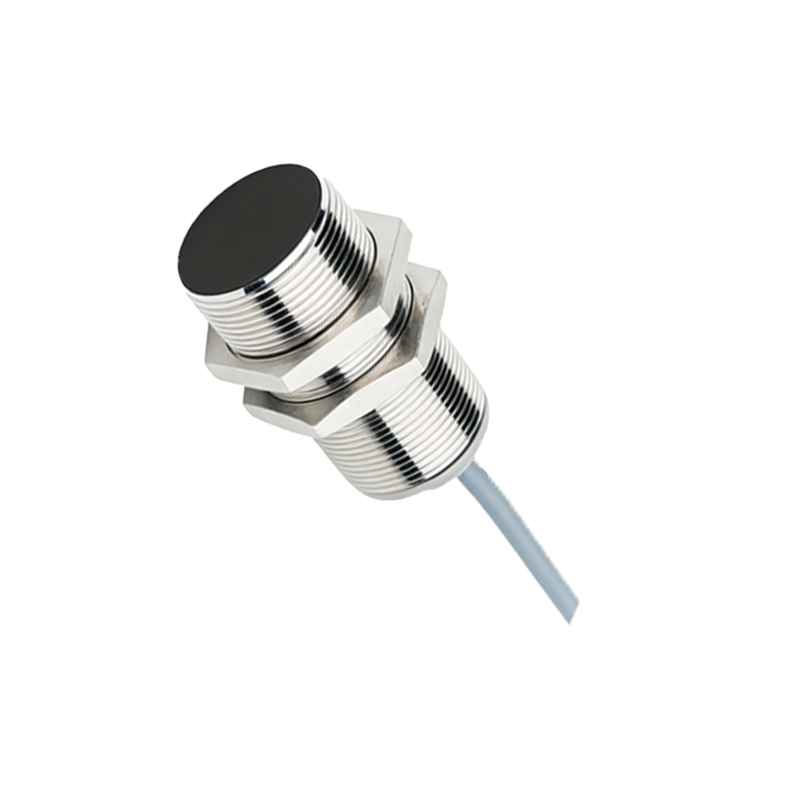
The performance parameters of 9x sensors are critical for selection. The sensing distance, or nominal range, is a primary specification. For a standard M18 inductive 9x sensor, this might range from 5mm to 8mm, depending on the target material (steel, aluminum, brass). It is crucial to note that the effective sensing distance can be affected by factors such as target size, shape, and temperature. Another vital characteristic is the switching frequency, which defines how many detection cycles per second the sensor can handle. High-speed 9x models are essential for applications like part counting on fast-moving conveyor belts. Furthermore, these sensors are built to withstand harsh industrial conditions. Common protection ratings include IP67 and IP69K, indicating resistance to dust ingress and high-pressure water jets, respectively. Many are also designed to endure significant mechanical shock and vibration, as well as exposure to oils, coolants, and other chemicals.
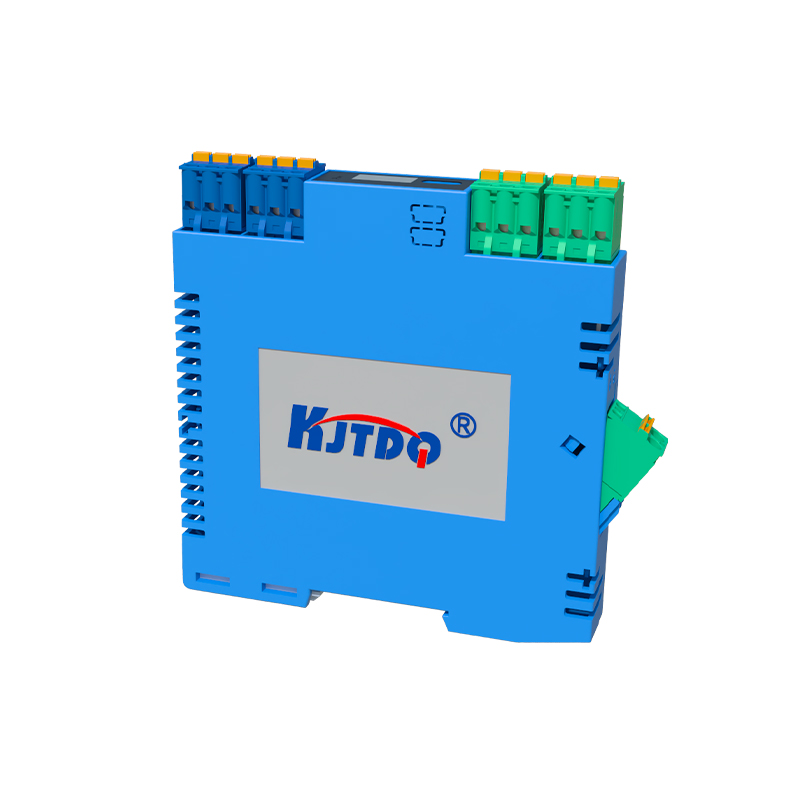
The output configuration is a key decision point. 9x sensors are available in two primary transistor output types: PNP (sourcing) and NPN (sinking). The choice depends on the control system's input card requirements (e.g., PLC). Additionally, models may offer Normally Open (NO) or Normally Closed (NC) switching logic. Some advanced 9x series sensors incorporate IO-Link communication, enabling digital data exchange for parameters like temperature, switch-point hysteresis, and diagnostic information, paving the way for Industry 4.0 predictive maintenance strategies.
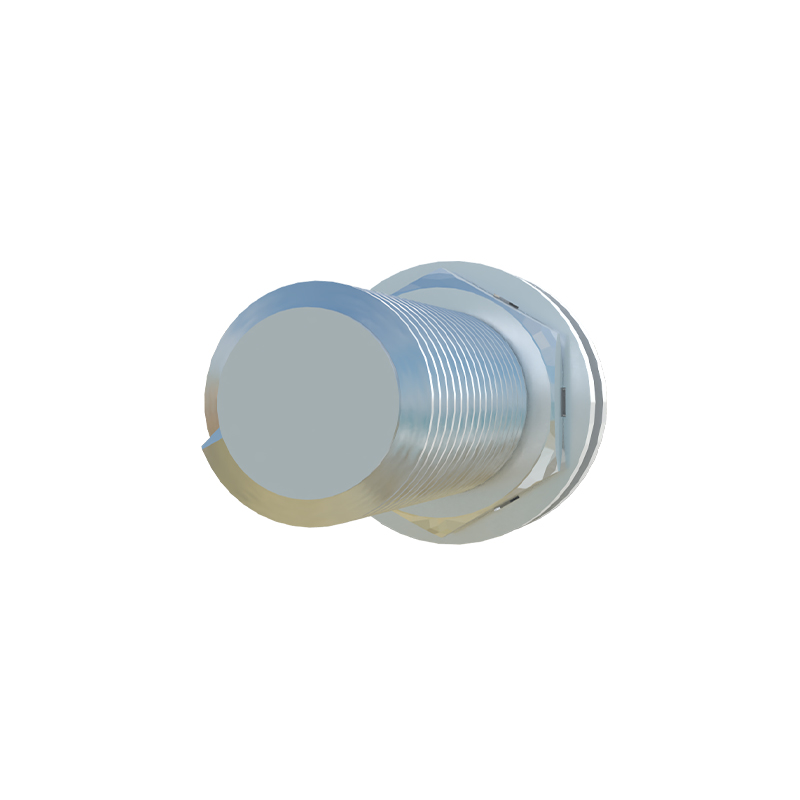
Application scenarios for 9x proximity sensors are vast across manufacturing and processing industries. A quintessential use is in machine tooling for position verification—ensuring a robotic arm or a machining slide has reached its intended endpoint. On assembly lines, they are used for part detection, verifying that a component is present before a subsequent operation like welding or screwing. In material handling, they serve as limit switches to prevent over-travel of actuators or to detect the position of pallets on conveyors. Their robustness makes them ideal for use in packaging machinery, automotive manufacturing, and even in food and beverage processing where stainless-steel housings and specific hygienic designs are available.
When installing a 9x sensor, several best practices must be observed. Ensuring the correct mounting, with adequate clearance from surrounding metal (as specified in the datasheet), prevents false triggering. The sensor must be wired according to the correct schematic for its output type to avoid damage. Regular maintenance, though minimal, involves checking the sensor face for buildup of debris or metal chips that could attenuate the sensing field. Diagnostic LEDs, a standard feature on most 9x sensors, provide immediate visual feedback on power status and switching state, greatly aiding troubleshooting.
In conclusion, the 9x series of proximity sensors represents a mature and highly engineered solution for non-contact object detection. Their standardized design, coupled with a wide array of sensing ranges, output options, and rugged enclosures, makes them a default choice for countless automation challenges. Understanding their operating principles, specifications, and application nuances is essential for any professional involved in designing, maintaining, or optimizing modern industrial systems. As automation evolves, the humble 9x sensor continues to be a foundational element, ensuring precision, safety, and efficiency on the factory floor.