In the realm of industrial automation and control systems, proximity sensors stand as indispensable components for non-contact object detection. These devices, fundamental to modern machinery, enable precise, reliable, and rapid sensing without physical touch, thereby reducing mechanical wear and enabling sophisticated automation sequences. Their primary function is to detect the presence or absence of an object within a specified sensing range, outputting a corresponding electrical signal to a controller such as a PLC (Programmable Logic Controller).
The operational principle of a proximity sensor hinges on the emission of an electromagnetic field or a beam of electromagnetic radiation. The presence of a target object within this field causes a change in the signal, which is then processed by the sensor's internal circuitry to trigger an output switch. This non-contact methodology offers significant advantages over mechanical limit switches, including longer operational life, higher switching speeds, and immunity to environmental contaminants like oil, dust, and moisture.
Several distinct types of proximity sensors are prevalent in industrial applications, each suited to specific conditions and target materials. The most common categories include:
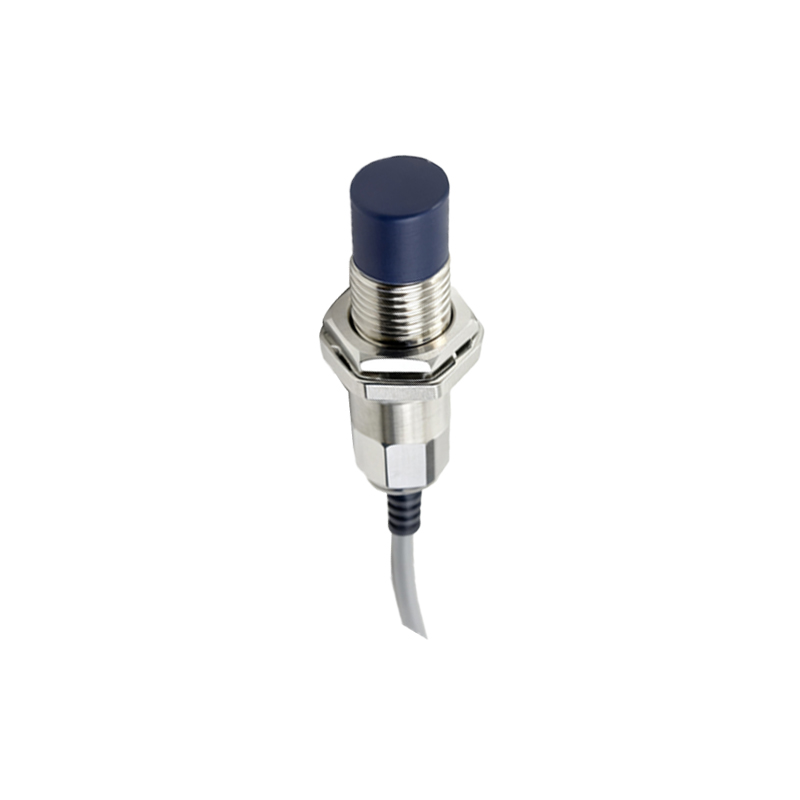
1. Inductive Proximity Sensors: These sensors generate an oscillating electromagnetic field. When a metallic object (ferrous or non-ferrous) enters this field, it induces eddy currents within the target, causing a change in the oscillation amplitude. This change is detected, leading to an output signal. Inductive sensors are exclusively for metal detection and are highly robust, making them ideal for harsh industrial environments like machining centers, robotic arms, and conveyor systems.
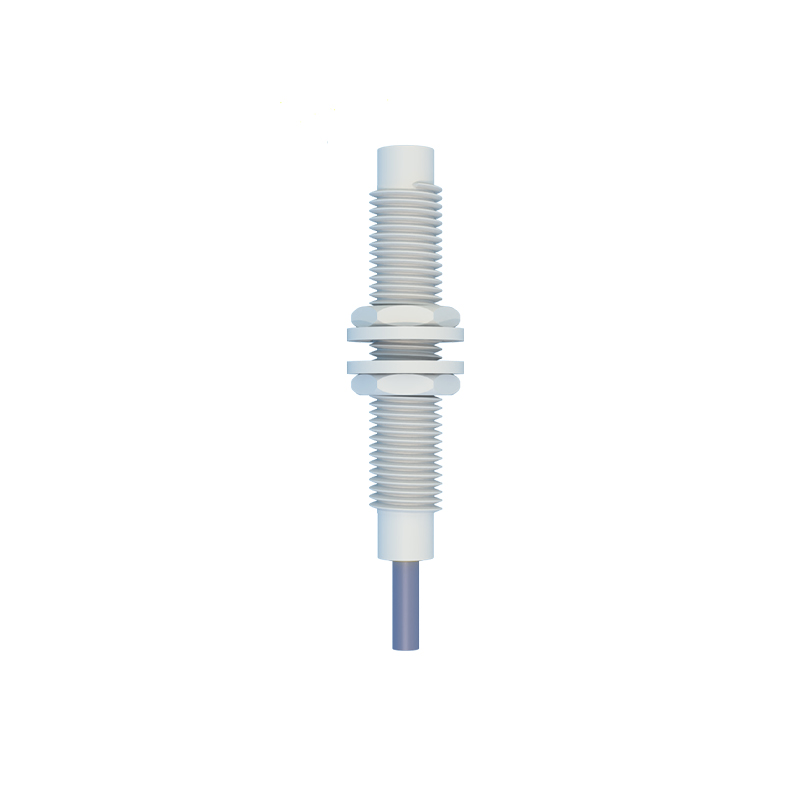
2. Capacitive Proximity Sensors: Operating on the principle of capacitance change, these sensors can detect both metallic and non-metallic materials—liquids, plastics, wood, glass, etc. The sensor forms one plate of a capacitor, with the target object acting as the other plate. As the object approaches, the capacitance increases until it reaches a threshold that triggers the output. They are commonly used in level detection for tanks (liquids or granules), material handling, and presence detection of non-metallic products.
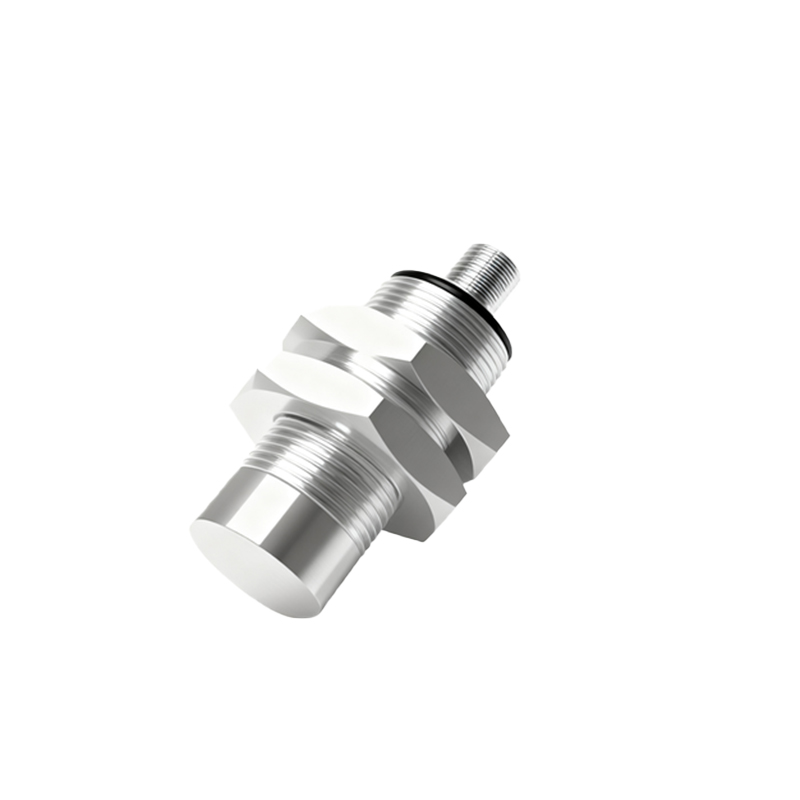
3. Ultrasonic Proximity Sensors: These devices emit high-frequency sound waves (ultrasonic pulses) and evaluate the echo received after reflection from an object. By calculating the time interval between sending the signal and receiving the echo, the sensor can determine the presence and distance (ranging) of the target. They are effective for detecting objects of virtually any material, shape, or color, and are used in challenging conditions involving clear objects, liquids, or uneven surfaces. Applications include palletizing, collision avoidance, and fill-level control.
4. Photoelectric Sensors: While often categorized separately, photoelectric sensors function as proximity devices. They consist of a light emitter (usually LED) and a receiver. The presence of an object is detected by either the interruption (through-beam) or reflection (retro-reflective, diffuse) of the light beam. Diffuse reflective sensors, where the sensor detects light reflected directly from the target, are a classic proximity-type photoelectric solution. They offer long sensing ranges and are excellent for detecting small objects or those with specific colors.
5. Magnetic Proximity Sensors (Reed Switches): These are simple, cost-effective sensors activated by the presence of a permanent magnet. They are often used in applications like detecting the position of a cylinder piston (with an embedded magnet) or in safety door interlocks.
Selecting the appropriate proximity sensor requires careful consideration of several key parameters:
Sensing Range: The nominal distance at which the sensor can reliably detect a standard target.
Target Material: Metal, plastic, liquid, etc., which dictates the choice between inductive, capacitive, or ultrasonic types.
Output Type: Digital (PNP/NPN switching) or analog (4-20 mA, 0-10V) outputs to interface with control systems.
Environmental Factors: IP (Ingress Protection) rating for dust and water resistance, temperature range, and resistance to chemicals or welding spatter.
Mounting and Form Factor: Cylindrical (threaded barrel) or rectangular housings to fit the mechanical design.
Response Frequency: How quickly the sensor can detect objects passing by, critical for high-speed production lines.
In conclusion, proximity sensors are the silent sentinels of automation, providing the essential data on object presence that drives efficient, safe, and intelligent machine operation. From packaging and automotive assembly to food processing and material handling, their correct selection and application are paramount for optimizing system performance, ensuring safety, and minimizing downtime. Understanding their types, principles, and key selection criteria empowers engineers and technicians to design and maintain more responsive and reliable automated systems.