In the realm of industrial automation and control systems, proximity sensors are indispensable components, providing non-contact detection of metallic objects with high reliability. The performance and longevity of these sensors are heavily dependent on the quality of their metal housings, which serve as the first line of defense against harsh environmental conditions. Precision machining of these housings is not merely a manufacturing step but a critical engineering discipline that ensures optimal sensor functionality. This article delves into the technical aspects, materials, processes, and quality considerations involved in producing high-grade metal housings for proximity sensors.
The primary function of a metal housing is to protect the sensitive internal electronics—such as the oscillator, amplifier, and output circuit—from physical damage, moisture, dust, chemicals, and electromagnetic interference (EMI). Common materials include stainless steel (e.g., AISI 304 or 316 for corrosion resistance), aluminum alloys (for lightweight applications), and brass (in specific environments). Material selection is guided by factors like the operating environment (e.g., food processing, automotive, or heavy machinery), required IP (Ingress Protection) ratings, and cost-effectiveness. For instance, stainless steel housings are preferred in washdown or corrosive settings, while aluminum may suffice in controlled indoor facilities.
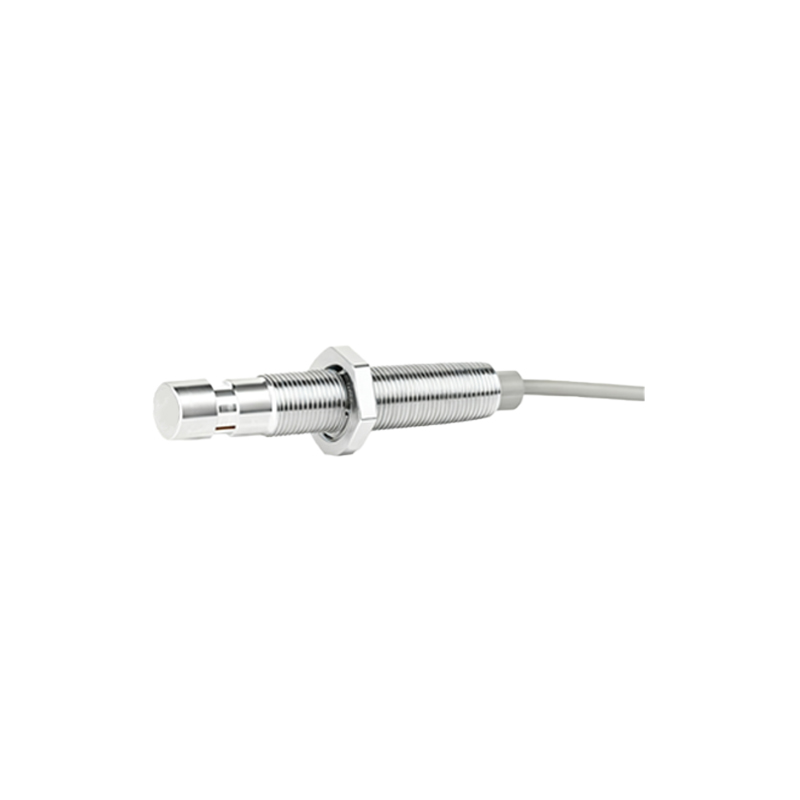
Machining processes for these housings typically involve CNC (Computer Numerical Control) milling and turning, which offer high precision and repeatability. The process begins with detailed CAD (Computer-Aided Design) models that define dimensions, tolerances, and surface finishes. Key features include threaded entries for cable glands, mounting holes, and sensing faces that must be machined to tight tolerances—often within ±0.05 mm—to ensure proper alignment and detection accuracy. Advanced techniques like Swiss-type turning are employed for small, complex housings, while multi-axis milling handles intricate geometries.
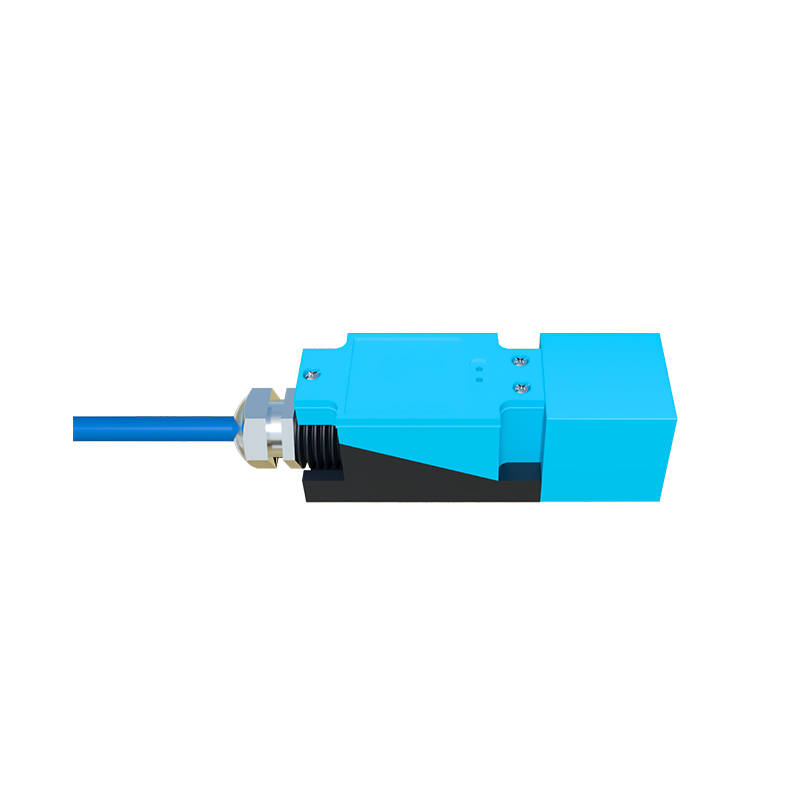
Surface treatment is another vital aspect. After machining, housings may undergo processes such as passivation (for stainless steel to enhance corrosion resistance), anodizing (for aluminum to improve hardness and aesthetics), or plating (e.g., nickel or chrome for added durability). These treatments not only extend service life but also ensure compliance with industry standards like IEC 60947-5-2 for proximity sensors. Additionally, EMI shielding is often integrated through conductive coatings or gaskets to prevent signal interference in electrically noisy environments.
Quality control is paramount throughout the machining cycle. Dimensional inspections using CMM (Coordinate Measuring Machines) verify that critical features meet design specifications. Leak testing, such as pressure decay or helium mass spectrometry, confirms the housing’s seal integrity, especially for sensors rated IP67 or higher. Furthermore, material certifications and traceability documentation are maintained to adhere to standards like ISO 9001, ensuring consistency and reliability in mass production.
In practice, challenges such as thermal expansion, material fatigue, and machining-induced stresses must be addressed. Engineers often employ finite element analysis (FEA) to simulate housing behavior under operational stresses, optimizing wall thickness and structural support. Collaboration between sensor designers and machinists early in the development phase can mitigate issues, reducing lead times and costs.
As industries evolve toward Industry 4.0, the demand for robust proximity sensors with smart capabilities is rising. This trend influences housing design, requiring integrated features for connectivity or enhanced sensing ranges. Machining technologies are keeping pace, with innovations like additive manufacturing (3D printing) enabling rapid prototyping of custom housings, though traditional CNC remains dominant for high-volume production due to its efficiency and precision.
In conclusion, the machining of metal housings for proximity sensors is a sophisticated blend of material science, precision engineering, and rigorous testing. By adhering to best practices in design, material selection, and quality assurance, manufacturers can produce housings that not only protect but also enhance sensor performance, contributing to safer and more efficient automated systems worldwide.