NPN proximity sensors represent a fundamental component in modern industrial automation, offering reliable non-contact detection capabilities for a wide range of applications. As a type of solid-state electronic sensor, they operate by generating an electromagnetic field and detecting changes caused by the presence of metallic or conductive targets. The "NPN" designation refers to the transistor output type, which is crucial for understanding its switching behavior and wiring configuration.
One of the primary characteristics of NPN proximity sensors is their sinking output configuration. When an object enters the sensing range, the NPN transistor switches on, allowing current to flow from the load to the sensor's output terminal, then to ground (0V). This means the sensor acts as a switch to ground, requiring the load to be connected between the positive supply voltage and the sensor output. This configuration is particularly advantageous in PLC (Programmable Logic Controller) systems where input modules are often designed to accept sinking signals. The consistent low-voltage signal in the active state enhances noise immunity in electrically noisy industrial environments.
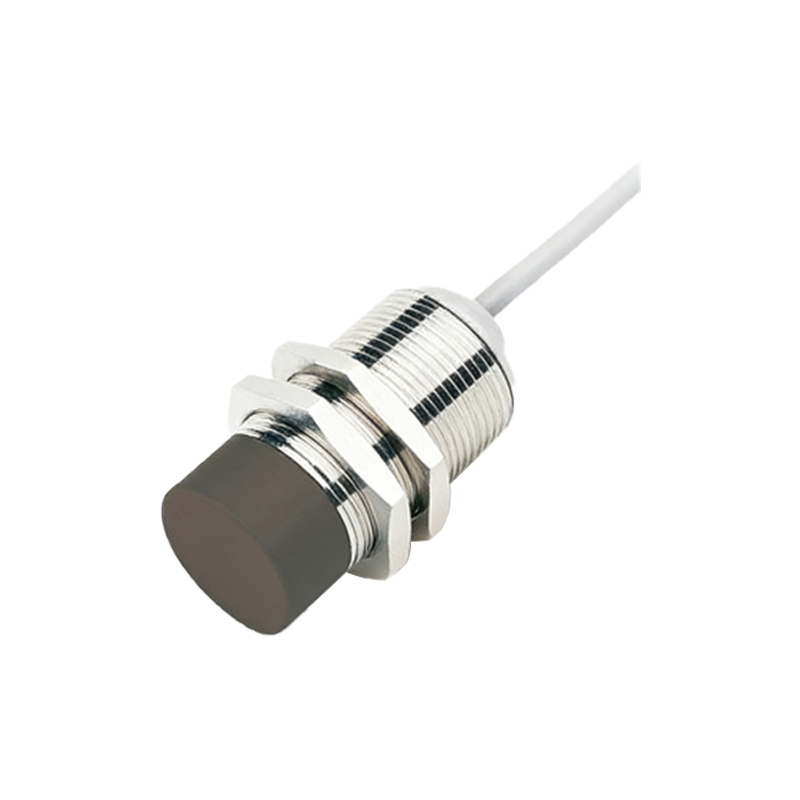
The construction of NPN proximity sensors typically involves a robust housing made of materials like nickel-plated brass, stainless steel, or PBT plastic, providing resistance to mechanical impacts, vibrations, and harsh environmental conditions. Many models feature IP67 or higher ingress protection ratings, making them suitable for washdown areas, outdoor installations, and environments with dust, oil, or coolant exposure. The sensing range varies depending on the sensor size and technology, with standard shielded models offering ranges from 1mm to 40mm for standard metal targets.
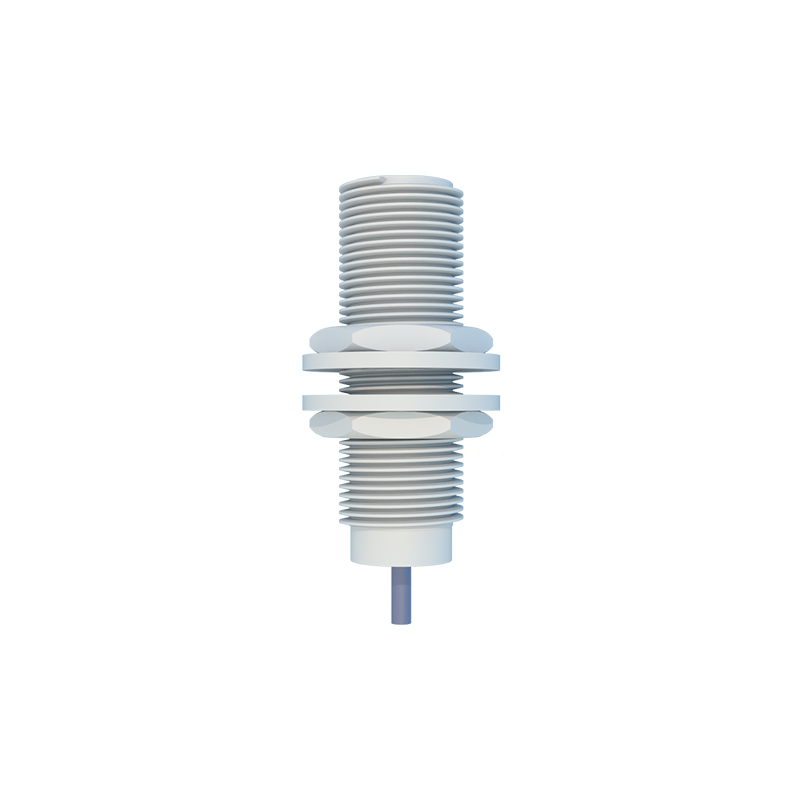
Electrical characteristics include operating voltage ranges typically between 10-30V DC, with low residual current (leakage current) in the off-state—usually below 0.1mA—to prevent false triggering. The switching frequency can reach up to 5kHz for some high-speed models, enabling detection of rapidly moving objects on production lines. Many NPN sensors incorporate built-in protection against short circuits, reverse polarity, and voltage spikes, significantly improving reliability and reducing maintenance requirements.
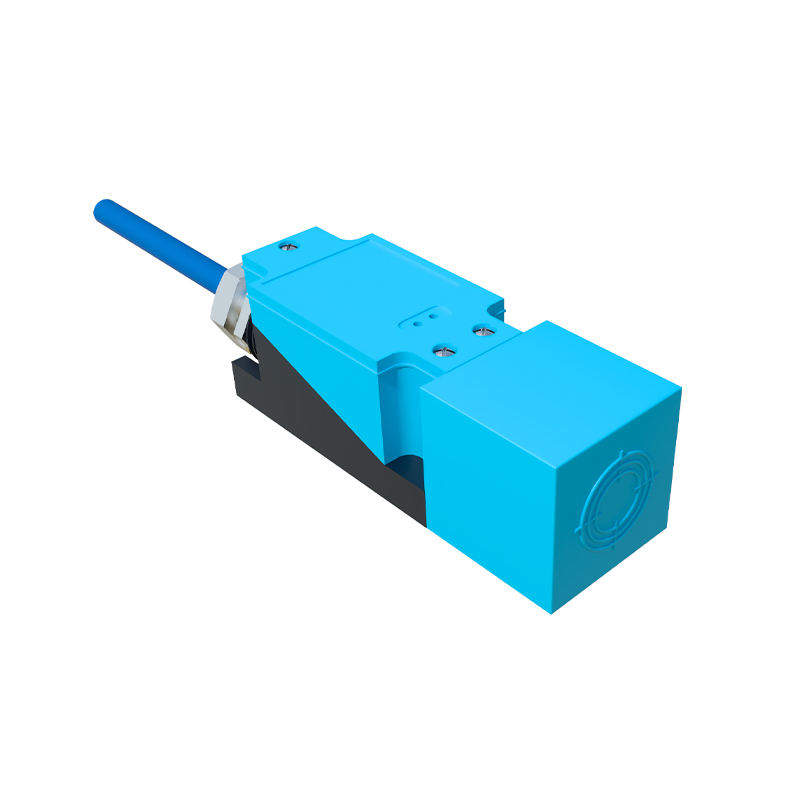
A significant advantage of NPN proximity sensors is their compatibility with various control systems. Since many industrial controllers, especially those of European and Asian origin, are designed with sinking input circuits, NPN sensors provide direct compatibility without additional interface components. This simplifies system design and reduces installation costs. The two-wire versions of NPN sensors offer further simplification by eliminating the separate ground wire, though they typically have higher leakage currents that must be considered in circuit design.
Application areas for NPN proximity sensors are extensive across manufacturing and processing industries. They are commonly employed for position detection of machine parts, end-of-travel limits on actuators, counting objects on conveyors, monitoring rotational speed through gear tooth detection, and verifying the presence of components in assembly fixtures. In automotive manufacturing, they ensure proper positioning of robotic welding arms. In packaging machinery, they detect metallic components on high-speed filling lines. Material handling systems use them to confirm pallet presence at transfer points.
When selecting NPN proximity sensors, engineers must consider several parameters beyond basic sensing range. The target material significantly affects performance, with factors like target size, shape, and material composition (steel, aluminum, brass, etc.) influencing the actual sensing distance. Temperature specifications ensure proper operation in both high-temperature environments near ovens or welding stations and low-temperature applications in cold storage facilities. Response time must be matched to application speed requirements, while LED status indicators provide visual confirmation of operation for maintenance personnel.
Installation considerations include proper mounting to avoid mutual interference between adjacent sensors, maintaining adequate clearance from metal mounting surfaces, and ensuring correct alignment with target objects. Cable selection is critical, with flexible, oil-resistant cables preferred for dynamic applications with continuous movement. Proper shielding and grounding practices minimize electromagnetic interference in facilities with variable frequency drives, motors, and welding equipment.
Maintenance of NPN proximity sensors is generally minimal due to their solid-state construction with no moving parts. Regular cleaning of the sensing face prevents false triggers from accumulated debris. Periodic verification of sensing distance using the manufacturer's specified target material ensures continued reliable operation. In corrosive environments, selecting sensors with appropriate housing materials extends service life significantly.
The evolution of NPN proximity sensor technology continues with advancements in miniaturization, allowing installation in increasingly compact machinery. Smart sensors with IO-Link communication capabilities are emerging, providing diagnostic data, parameter adjustment capabilities, and process value reporting while maintaining traditional switching functionality. These developments ensure NPN proximity sensors will remain essential components in industrial automation systems, providing reliable, cost-effective detection solutions for years to come. Their simplicity, durability, and compatibility with control systems make them indispensable tools for engineers designing automated equipment across virtually every manufacturing sector.