In the landscape of modern industrial automation, where high-speed machinery and human operators increasingly share workspace, the imperative for robust safety solutions has never been greater. Among the most vital components in this protective ecosystem are safety light curtains and proximity sensors. These devices are not merely accessories; they are fundamental engineering controls designed to prevent catastrophic injuries and ensure operational continuity.
Safety light curtains, often referred to as optoelectronic protective devices (AOPDs), create an invisible screen of infrared light beams. When an object—most critically, a worker's hand or body—interrupts this light screen, the system sends a stop signal to the guarded machinery. This happens within milliseconds, halting hazardous motion before contact can occur. Unlike traditional physical barriers, light curtains allow for seamless material handling and operator access while maintaining a high level of safety. They are extensively deployed in areas such as robotic cells, press brakes, molding machines, and automated assembly lines. The selection of a light curtain depends on resolution (finger, hand, or body detection), protective height, and the required safety integrity level (SIL or PLr) as per standards like ISO 13849 and IEC 61496.
Proximity sensors, while sometimes used in safety functions, are primarily non-contact detection devices that sense the presence or absence of an object within their field. Inductive sensors detect metals, capacitive sensors detect a wider range of materials including liquids, and ultrasonic sensors use sound waves. In a safety context, they are often employed as part of an interlocking system for guard doors or to detect the correct positioning of a workpiece before a cycle initiates, preventing a machine from operating under unsafe conditions. It is crucial to distinguish between standard proximity sensors used for automation and those specifically designed and certified for safety-related applications. Safety-rated proximity sensors have redundant circuits, self-monitoring, and are designed to fail in a predictable, safe manner.
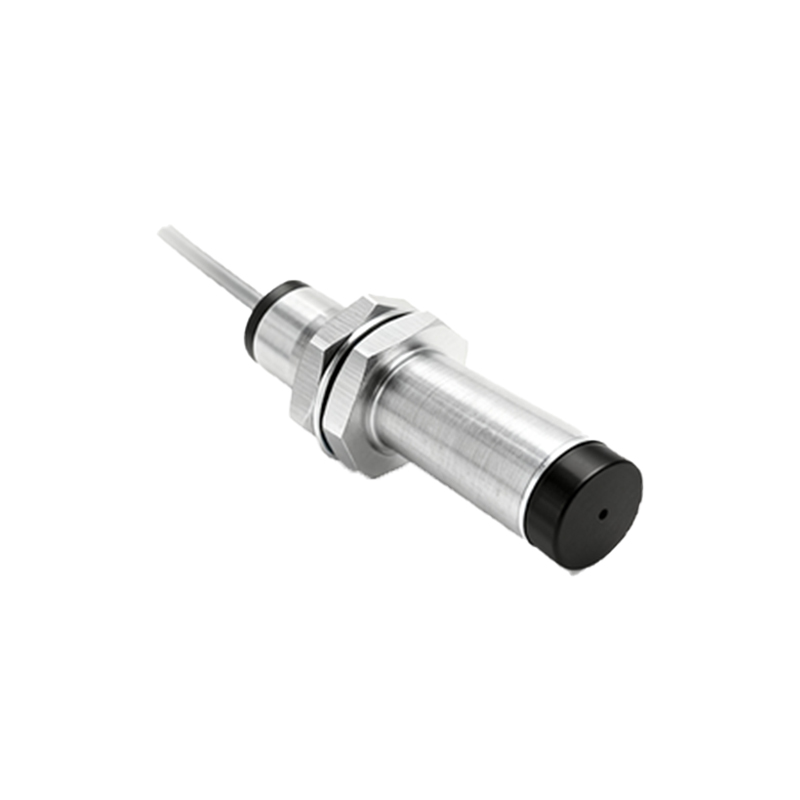
The synergy between these systems defines a layered safety approach. A perimeter around a dangerous area might be guarded by a safety light curtain. Simultaneously, safety-rated magnetic proximity sensors could monitor the position of a safety gate, ensuring it is securely closed. The control system integrates signals from all these devices via a safety relay or a Safety Programmable Logic Controller (Safety PLC). This integration validates that all safety conditions are met before enabling machine operation. Any fault or breach triggers an immediate and controlled safe stop.
The benefits extend beyond hazard prevention. By enabling safer interaction with equipment, these technologies facilitate more flexible and efficient workflows. Operators can load parts or perform minor adjustments without a full lockout/tagout procedure every time, adhering to the concept of "safe by design." This reduces downtime and supports lean manufacturing principles. Furthermore, compliance with stringent international safety regulations (OSHA, EU Machinery Directive) is impossible without such engineered safeguards. They protect not only personnel but also the company from the immense costs associated with workplace accidents, including medical expenses, litigation, equipment damage, and production halts.
However, proper implementation is paramount. A safety light curtain must be correctly positioned so that no part of the body can reach the hazard before the machine state becomes safe—a calculation based on the machine's stopping time and the curtain's response time. Regular functional testing and maintenance are non-negotiable to ensure reliability. The entire safety system, including sensors, logic solvers, and final elements, must be validated to achieve the required Performance Level (PL).
In conclusion, safety light curtains and proximity sensors are the silent, vigilant guardians of the industrial floor. They embody the principle that productivity and safety are not mutually exclusive but are interdependent pillars of sustainable manufacturing. As automation evolves with collaborative robots and more complex systems, the sophistication and integration of these sensing technologies will continue to be the cornerstone of a safe and efficient industrial environment.