In the realm of industrial automation, consumer electronics, and robotics, the ability of a system to perceive its immediate environment without physical contact is paramount. This capability is largely enabled by two fundamental sensing technologies: proximity sensing and ambient light sensing. While often integrated into a single component, understanding their distinct principles and applications is crucial for effective system design. This article provides a technical exploration of what proximity and light sensors are, their operational mechanisms, and key implementation considerations.
A proximity sensor is a device that detects the presence or absence of an object within a specified range, typically without any physical contact. The core function is to output a signal—digital (on/off) or analog—when an object enters its detection field. Several physical principles are employed, each with distinct advantages.
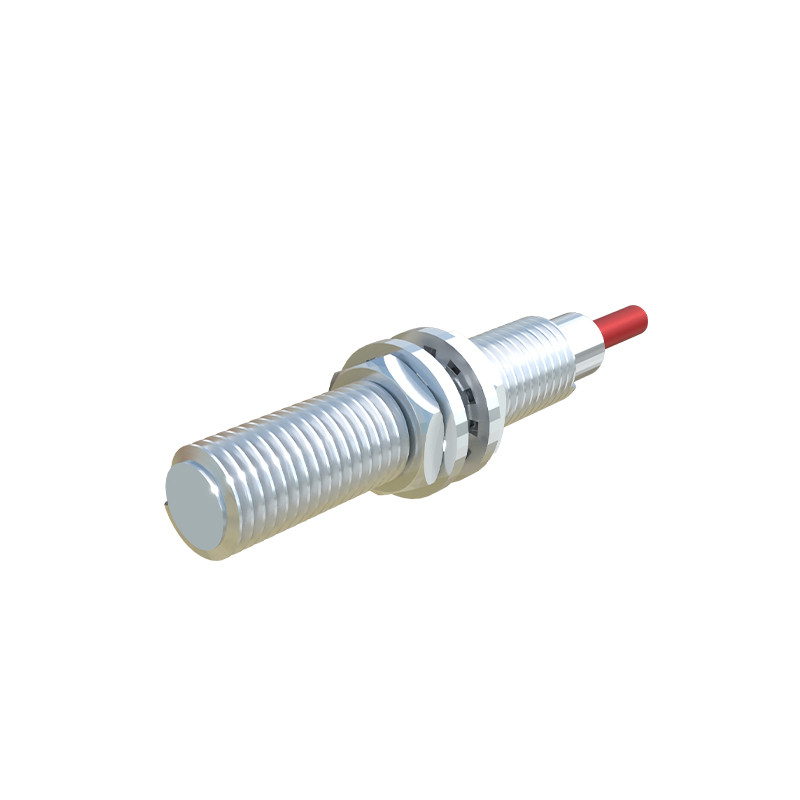
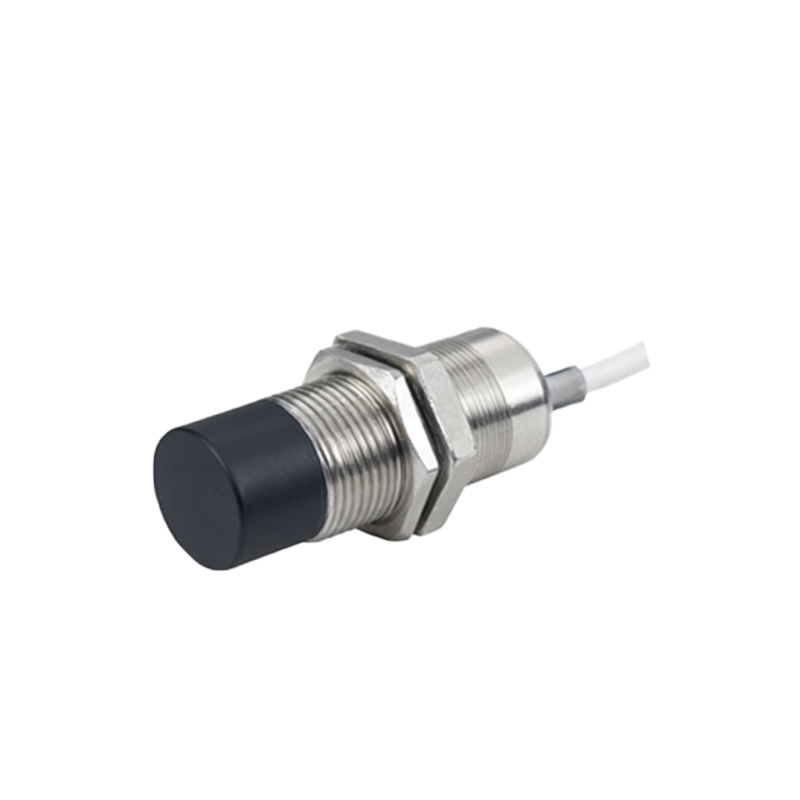
Inductive Proximity Sensors: These are workhorses in industrial settings. They generate an oscillating electromagnetic field. When a metallic object enters this field, eddy currents are induced in the object, which dampens the oscillation of the sensor's coil. This change is detected by the sensor's circuitry, triggering an output. They are robust, reliable for detecting metals, and unaffected by dust or oil, but are ineffective for non-metallic targets.
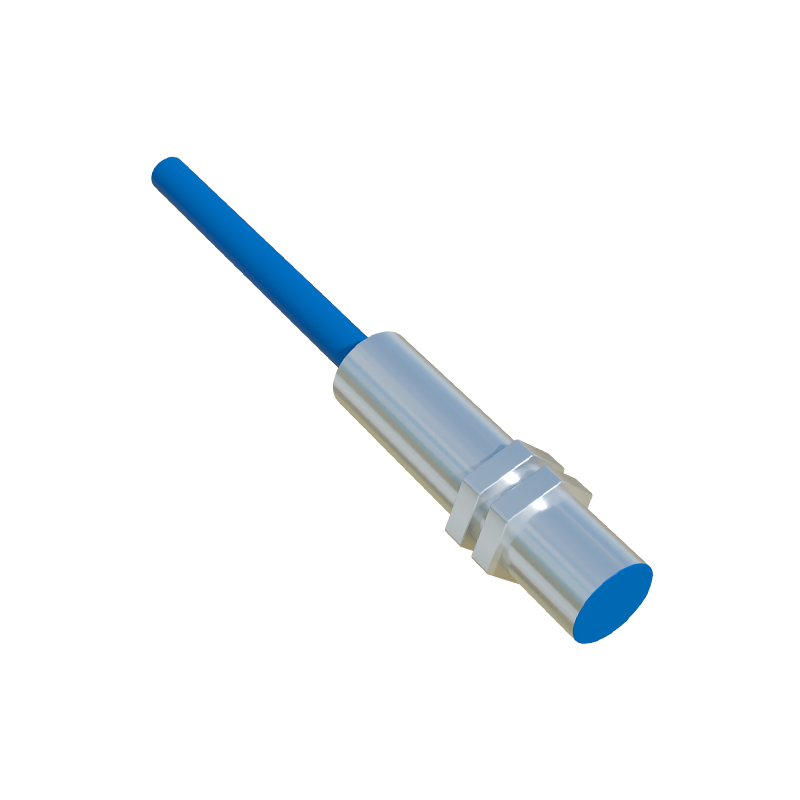
Capacitive Proximity Sensors: These sensors can detect both metallic and non-metallic objects (plastics, liquids, wood, etc.). They function by generating an electrostatic field. The introduction of any object with a dielectric constant different from air alters the capacitance of the sensor's circuit. This change is measured to detect presence. They are versatile but can be sensitive to environmental factors like humidity.
Photoelectric Sensors: This category uses light, typically infrared (IR) or laser, to detect objects. Common configurations include through-beam (separate emitter and receiver), retro-reflective (bounces light off a reflector), and diffuse (reflects light off the object itself). They offer long detection ranges and can sense virtually any material, but their performance can be degraded by ambient light, dust, or the color/reflectivity of the target.
Ultrasonic Sensors: These emit high-frequency sound waves and measure the time for the echo to return. The time-of-flight calculation determines the distance to an object. They are excellent for detecting objects of various materials, including transparent ones, and for measuring precise distances. However, they can be affected by temperature, wind, and soft, sound-absorbing surfaces.
An ambient light sensor (ALS), on the other hand, is a photodetector specifically designed to measure the intensity of visible light in the environment. Its primary output is an analog or digital value corresponding to the illuminance (measured in lux). The core component is typically a photodiode or phototransistor, often with a spectral response filtered to match that of the human eye. The key application is automatic display backlight adjustment in devices like smartphones, tablets, and laptops to optimize readability and conserve battery power. Advanced ALS chips may also incorporate color sensing (RGB) for white balance adjustment in cameras or contextual awareness.
Modern system-on-chip (SoC) solutions frequently integrate both a proximity sensor (usually an IR-based photoelectric type) and an ambient light sensor into a single package. A common implementation in smartphones involves an IR LED and a dedicated photodiode for proximity detection, and a separate, filtered photodiode for ambient light measurement. The system pulses the IR LED and measures the reflected light. A strong reflection indicates an object (like the user's head during a call) is close, triggering the display to turn off. Simultaneously, the ALS continuously monitors environmental light to dim or brighten the screen.
Critical Design and Selection Parameters:
Sensing Range: The maximum and minimum distances for reliable detection (proximity) or measurement (light).
Response Time: Critical for high-speed automation.
Repeatability and Hysteresis: Consistency of detection at the same point.
Environmental Immunity: Resistance to factors like temperature swings, voltage fluctuations, EMI/RFI, dust, and for optical types, ambient light interference (sunlight, other IR sources).
Output Type: NPN/PNP, analog voltage/current, I2C/SPI digital interface.
Power Consumption: A vital factor for battery-operated devices.
In conclusion, proximity and light sensors are indispensable enablers of intelligent system interaction. A proximity sensor acts as a binary or analog "touchless switch," while an ambient light sensor provides quantitative environmental data. Their integration, particularly in portable electronics, showcases sophisticated, power-efficient sensing fusion. Selecting the appropriate technology—inductive, capacitive, photoelectric, ultrasonic, or a combination—requires a careful analysis of the target material, required range, environmental conditions, and system interface. A deep understanding of these principles allows