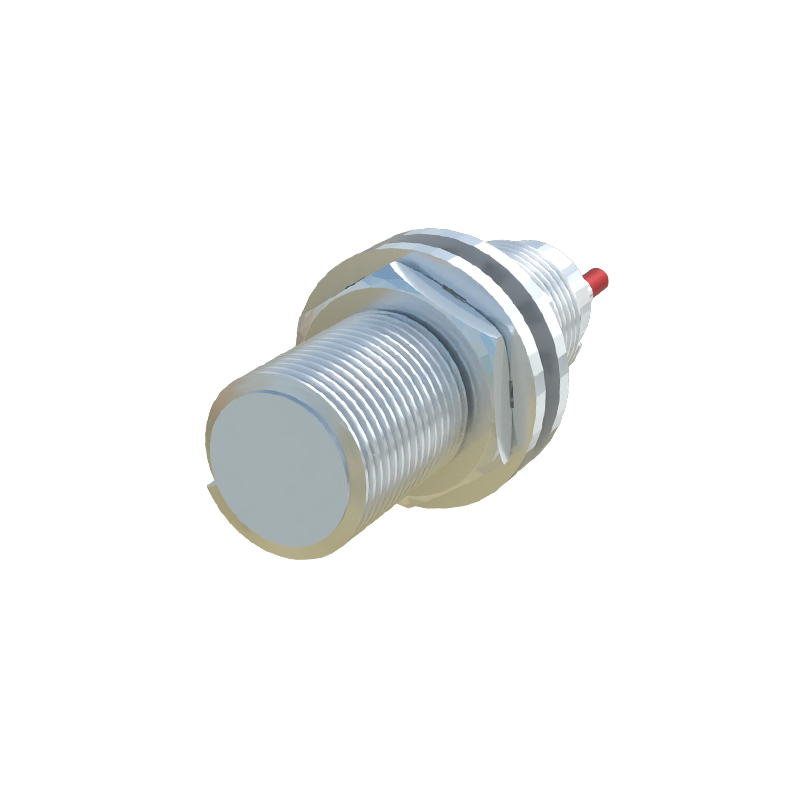
In the world of industrial automation and machine control, reliable object detection is paramount. Among the various sensing technologies available, magnetic proximity sensors, often referred to as reed switch or magneto-resistive sensors, stand out for their simplicity, durability, and effectiveness in harsh environments. Unlike optical or capacitive sensors, they operate on a fundamental magnetic principle, offering unique advantages where dirt, dust, moisture, or vibration are present.
The core operating principle is elegantly straightforward. The sensor itself contains a sealed, magnetically actuated switch—typically a reed switch or a solid-state Hall effect or magneto-resistive element. When a permanent magnet (the "actuator" or "target") approaches within a specified range, the magnetic field causes the internal switch to change state. For a reed switch, the magnetic field pulls two ferromagnetic reeds together, closing a circuit. In solid-state versions, the magnetic field alters the electrical properties of a semiconductor, triggering an output signal. This non-contact detection method means there is no physical wear on the sensing element from the target itself, leading to exceptionally long operational life.
The key specifications defining a magnetic proximity sensor are sensing distance, repeat accuracy, switching frequency, and output type. Sensing distances are typically shorter than inductive sensors, ranging from a few millimeters to about 60 mm, depending on the magnet's strength and sensor design. Repeat accuracy is exceptionally high, making them suitable for precise positioning tasks. Outputs can be simple two-wire AC/DC switches, three-wire NPN/PNP transistors, or analog outputs for distance-proportional signals. A critical characteristic is their hysteretic behavior: the switch-on point when the magnet approaches is slightly different from the switch-off point when it retreats, preventing signal chatter.
The applications for magnetic proximity sensors are vast and varied. A classic use is in cylinder position sensing on pneumatic and hydraulic actuators. A magnet embedded in the piston triggers sensors mounted on the cylinder body to indicate "extended" or "retracted" positions. They are ubiquitous in safety systems, such as door and guard interlock switches on machinery, ensuring access panels are securely closed before operation. In automotive systems, they detect seat belt latches, gearbox position, and wheel speed. Furthermore, they are employed in consumer appliances like washing machines (lid detection), elevators (floor leveling), and even in fluid level indicators where a float contains a magnet.
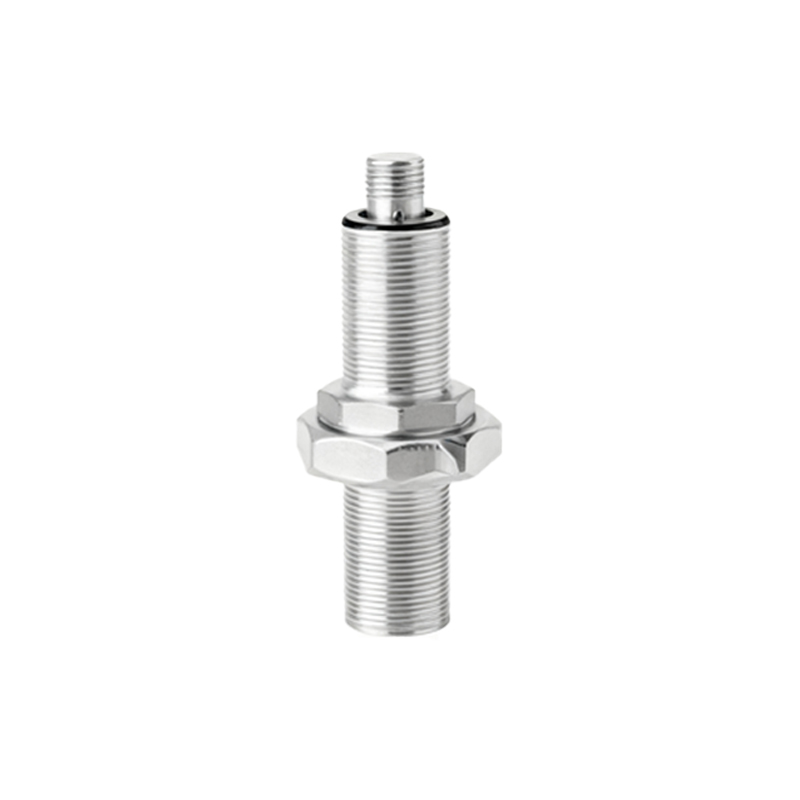
Selecting the right magnetic sensor requires careful consideration of several factors. First, identify the environment: temperature extremes, presence of corrosive chemicals, or strong external magnetic fields. Industrial-grade sensors often have IP67 or higher ingress protection ratings. Next, determine the required sensing distance and the mounting constraints—barrel-style sensors, rectangular limit-switch styles, or slot-style sensors for detecting magnetized gears. The electrical load (current, voltage) and required output type (NO, NC, NAMUR for hazardous areas) must match the control system. For high-speed counting, a high switching frequency sensor is necessary. Finally, consider the magnet actuator: its size, strength (Gauss rating), and orientation (axial or lateral) directly impact performance. Always consult the sensor's specific "switching curve" diagram provided by the manufacturer.
In comparison to inductive proximity sensors, magnetic types are insensitive to all non-ferromagnetic materials. They can detect a magnet through non-metallic walls like plastic, glass, or aluminum, enabling sealed, hygienic designs. Compared to mechanical limit switches, they offer faster response and no moving parts to wear out externally. However, their limitation is the mandatory requirement for a magnet as the target, and potential interference from stray magnetic fields in the plant.
In conclusion, magnetic proximity sensors are a robust, versatile, and highly reliable component in the electrical engineer's toolkit. Their non-contact nature, immunity to environmental contaminants, and simple interface make them an optimal choice for countless detection tasks. By understanding their operating principles, key specifications, and application nuances, engineers can effectively deploy these sensors to enhance machine safety, reliability, and automation efficiency. As technology advances, solid-state magnetic sensors with integrated diagnostics and IO-Link communication are pushing the boundaries, offering smarter sensing solutions for the connected factory floor.