In modern industrial automation and fluid control systems, three-way valves are critical components for directing flow, mixing media, or diverting process streams. To ensure precise valve positioning and reliable operation, proximity sensors have become indispensable. These non-contact devices detect the presence or position of the valve actuator—typically a metallic target like a cam or flag—providing essential feedback to the control system. Unlike limit switches, proximity sensors offer advantages such as no mechanical wear, high switching frequency, and resilience in harsh environments involving dust, moisture, or vibration.
The core technology behind these sensors is often based on inductive principles, ideal for detecting ferrous metal targets. When the valve actuator moves into the sensor's detection range, it causes a change in the oscillator's electromagnetic field, triggering a solid-state output signal. For non-metallic valve bodies or specific application needs, capacitive or magnetic sensing variants are also employed. Selecting the correct sensor involves several key parameters: sensing distance, which must accommodate the actuator's travel without false triggers; output type (PNP/NPN, NO/NC) compatible with the PLC or controller; housing material (e.g., stainless steel, PBT plastic) suited to the environment; and protection ratings, typically IP67 or higher for washdown or outdoor use.
Integration of proximity sensors with three-way valves demands careful mechanical and electrical planning. Mechanically, the sensor must be mounted securely, often via threaded barrels or brackets, ensuring consistent alignment with the moving target. The air gap between the sensor face and the target is critical—too large, and detection fails; too small, and risk of physical damage increases. Electrically, wiring must follow standards, with proper shielding to prevent electromagnetic interference from motors or drives. Many modern sensors feature LED indicators for diagnostics, simplifying commissioning and troubleshooting.
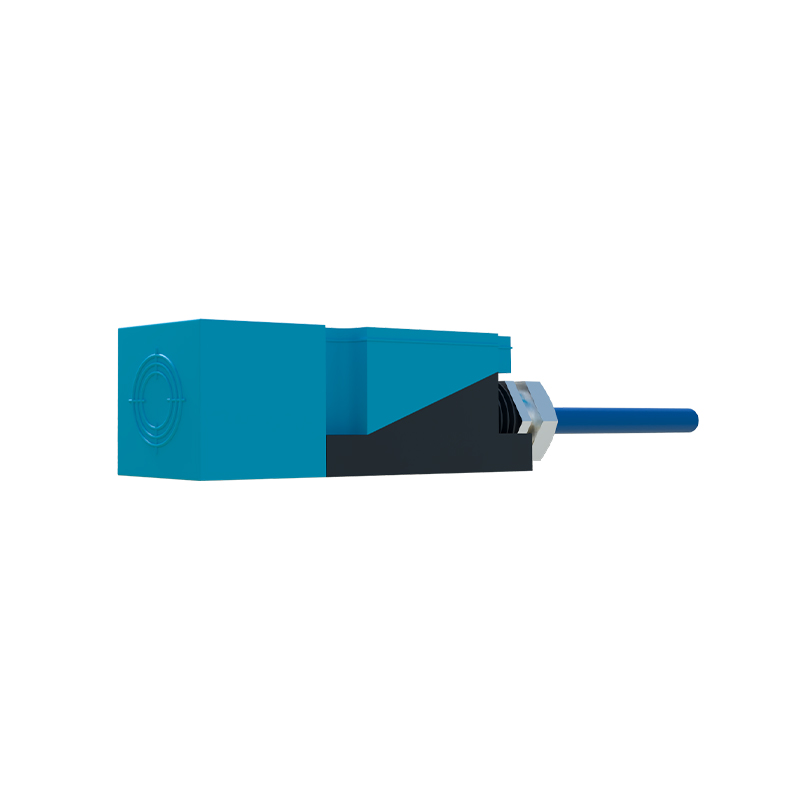
In practice, common challenges include sensor misalignment due to valve vibration, temperature extremes affecting performance, and chemical exposure degrading materials. Best practices recommend using sensors with temperature compensation, selecting housings resistant to specific chemicals (e.g., nickel-plated brass for corrosive fluids), and implementing routine validation checks. For instance, in HVAC systems, sensors on three-way valves controlling water flow must endure humidity and thermal cycling, while in pharmaceutical processing, they may need cleanroom-compatible designs.
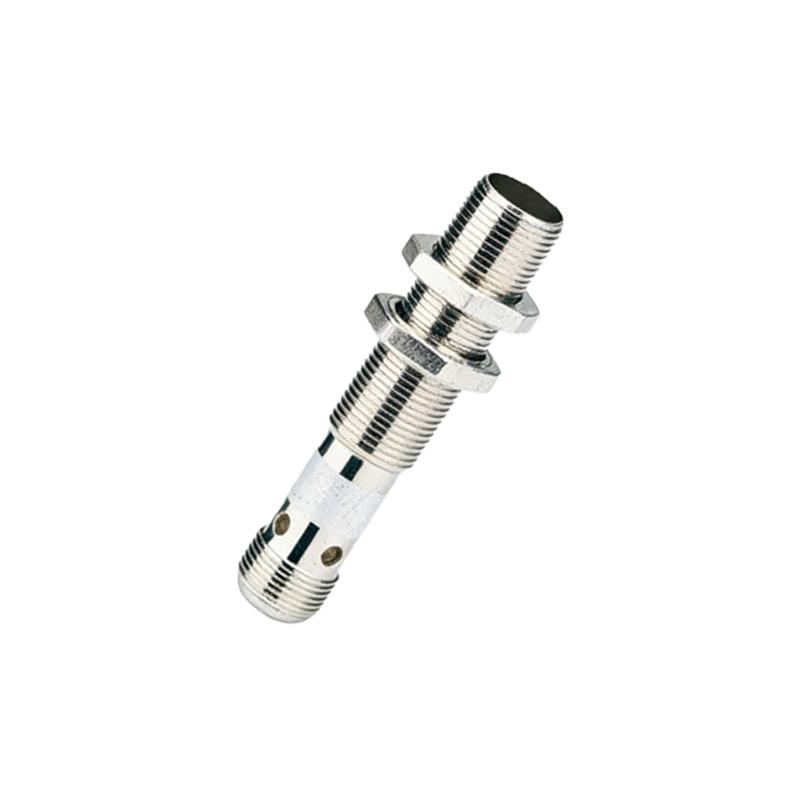
Advancements in sensor technology continue to enhance valve monitoring. IO-Link enabled proximity sensors provide digital communication, offering data beyond simple on/off status, such as operating counts, temperature readings, and health diagnostics. This facilitates predictive maintenance, reducing downtime. Additionally, miniaturized sensors allow integration into compact valve manifolds, supporting space-constrained applications.
Ultimately, the synergy between three-way valves and proximity sensors underpins system reliability and efficiency. Proper selection, based on a thorough analysis of operational conditions and valve dynamics, ensures long-term performance. Engineers must consult both valve and sensor manufacturer guidelines, considering factors like switching hysteresis, repeat accuracy, and supply voltage stability. By adhering to these principles, industries from water treatment to food and beverage can achieve seamless automation, precise control, and enhanced safety in their fluid handling processes.