In the world of industrial automation, machine safety, and smart systems, the ability to detect the presence, absence, or position of an object without physical contact is paramount. This is where photoelectric proximity sensor switches excel. These versatile devices offer a reliable, non-contact solution for countless applications, from packaging lines to garage doors. Understanding their working principles, types, and key selection criteria is essential for engineers, technicians, and system integrators.
At its core, a photoelectric sensor operates by emitting a beam of light (visible red, infrared, or laser) and detecting changes in the received light signal. A proximity switch function is integrated, meaning the sensor has a built-in amplifier and switching output that changes state (e.g., from OFF to ON) when a target object is detected within its specified sensing range. The fundamental components include an emitter (light source), a receiver (phototransistor or photodiode), and signal processing circuitry.
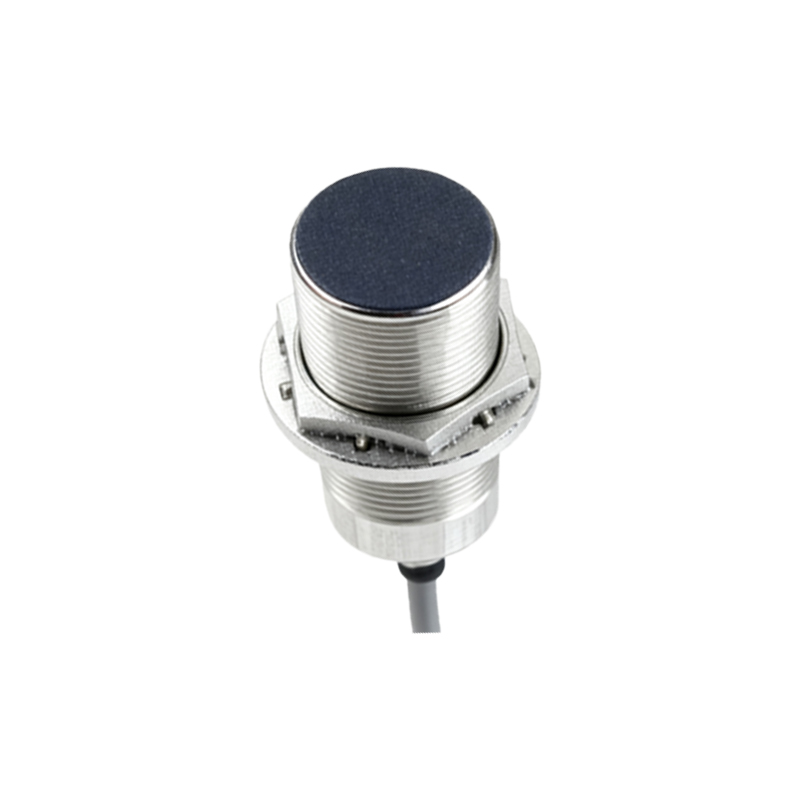
The performance and suitability for a specific task largely depend on the sensing mode. The three primary operating modes are through-beam, retro-reflective, and diffuse (proximity) mode.
Through-beam sensors, also called opposed mode sensors, consist of separate emitter and receiver units placed opposite each other. The object is detected when it interrupts the light beam traveling from the emitter to the receiver. This mode offers the longest sensing distances and high reliability, as it is largely immune to the object's color, surface finish, or angle. It is ideal for precise detection and counting in high-speed applications, though installation requires alignment of two separate components.
Retro-reflective sensors house both the emitter and receiver in a single housing. They rely on a reflector (like a corner-cube reflector) placed opposite the sensor. The emitted light beam is reflected back to the receiver. An object is detected when it breaks this reflected beam. This mode simplifies wiring and alignment compared to through-beam, while still offering good sensing ranges. A common challenge is the potential for erroneous detection of shiny objects, which can also reflect light back. Many models feature polarization filters to mitigate this by ensuring only light from the specific reflector is recognized.
Diffuse or proximity sensors are the most common type for close-range, direct reflection sensing. The emitter and receiver are in the same unit. The sensor detects an object when the emitted light reflects off the object's surface and returns to the receiver. The effective sensing distance depends heavily on the object's size, color, and surface texture (light, reflective surfaces are detected from farther away than dark, absorbent ones). This mode is highly versatile for detecting objects at short ranges without needing a separate reflector or receiver, making it perfect for applications like detecting bottles on a conveyor or the position of a robotic arm.
Modern photoelectric sensors come with various light sources. Infrared LEDs are common for their energy efficiency and invisibility. Red visible LEDs allow for easy alignment during setup. Laser diodes provide extremely focused beams for detecting very small objects or for precise positioning over long distances.
When selecting a photoelectric proximity switch, several critical factors must be considered. The sensing range is the maximum distance at which the sensor can reliably detect a standard target. The environment is crucial; sensors may need to be resistant to dust, water (IP ratings), chemicals, or extreme temperatures. The output type must match the control system—common options include NPN/PNP transistors, relay contacts, or analog outputs. Response time determines how fast the sensor can react to a passing object, vital for high-speed production lines. Finally, the physical housing size and shape (cylindrical, rectangular) must fit the installation space.
Applications are vast and diverse. In manufacturing, they count products, control robotic pick-and-place operations, and verify part presence in assembly jigs. In material handling, they detect the position of pallets on conveyors or the level of boxes in an automated storage system. In the automotive industry, they ensure safety by monitoring guard door positions. Beyond industry, they are found in consumer appliances, automatic doors, and printing equipment.
Maintenance is generally minimal but important. Lenses should be kept clean from dust and oil buildup to prevent false signals or reduced range. Regular functional checks ensure the sensor and its alignment remain correct, especially in environments with vibration.
In conclusion, photoelectric proximity sensor switches are indispensable components in modern automated systems. Their non-contact nature, versatility across different sensing modes, and robustness make them a superior choice for reliable object detection. By carefully matching the sensor type—through-beam, retro-reflective, or diffuse—to the specific application requirements regarding range, target material, and environmental conditions, designers can build more efficient, safe, and intelligent systems.