Photoelectric proximity sensors are widely used in industrial automation, robotics, and safety systems for non-contact detection of objects. Their core function relies on the interaction between emitted light and the target. Understanding the internal structure is key to selecting and applying these sensors effectively.
A typical photoelectric proximity sensor consists of several fundamental components. The light emitter, usually a light-emitting diode (LED) or a laser diode, generates the optical signal. Infrared LEDs are common due to their high efficiency and minimal interference from ambient visible light. The emitter circuit drives the component, often modulating the light at a specific frequency to enhance noise immunity. Opposite the emitter sits the photodetector, typically a phototransistor, photodiode, or sometimes a photoelectric cell. This component is sensitive to the same wavelength of light emitted. Its electrical characteristics, such as resistance or current output, change when illuminated. A crucial structural element is the sensor housing or body. It precisely aligns the emitter and detector, protects the internal electronics from dust, moisture, and physical damage, and often incorporates lenses or optical windows. These optical elements focus the emitted light into a beam and collect reflected light efficiently onto the detector's active area.
The internal circuitry forms the electronic backbone. This includes the emitter driver circuit, the detector's amplification and conditioning circuit, and an output stage. The conditioning circuit is vital; it filters out ambient light noise and processes the weak signal from the detector. Many sensors feature a potentiometer or digital interface for adjusting sensitivity, setting the detection threshold. The output can be analog (current or voltage proportional to distance/reflectivity) or digital (a simple on/off switch signal), provided through connectors like M8, M12, or terminal blocks. For diffuse-reflective sensors, the emitter and detector are mounted side-by-side within the same housing. The emitted light must reflect off the target object back to the detector. The housing design minimizes internal optical crosstalk. Retro-reflective sensors also house both elements together but rely on a dedicated reflector. The structure includes a polarizing filter to ensure the sensor only recognizes light reflected from the special reflector, ignoring shiny objects. Through-beam sensors have completely separate units for the emitter and receiver, each in its own housing. This structure allows for the longest possible sensing distances.
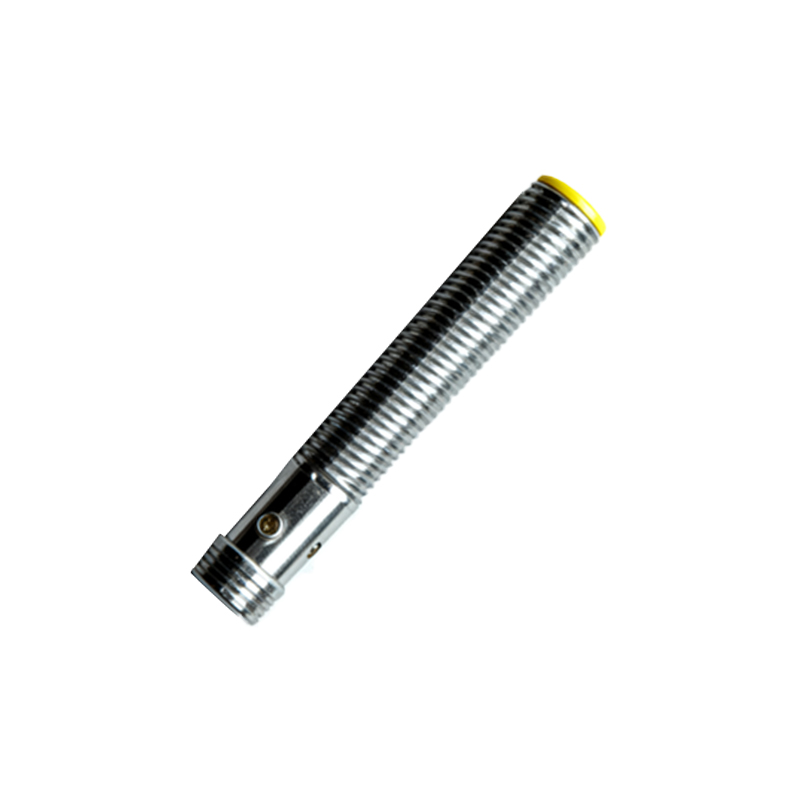
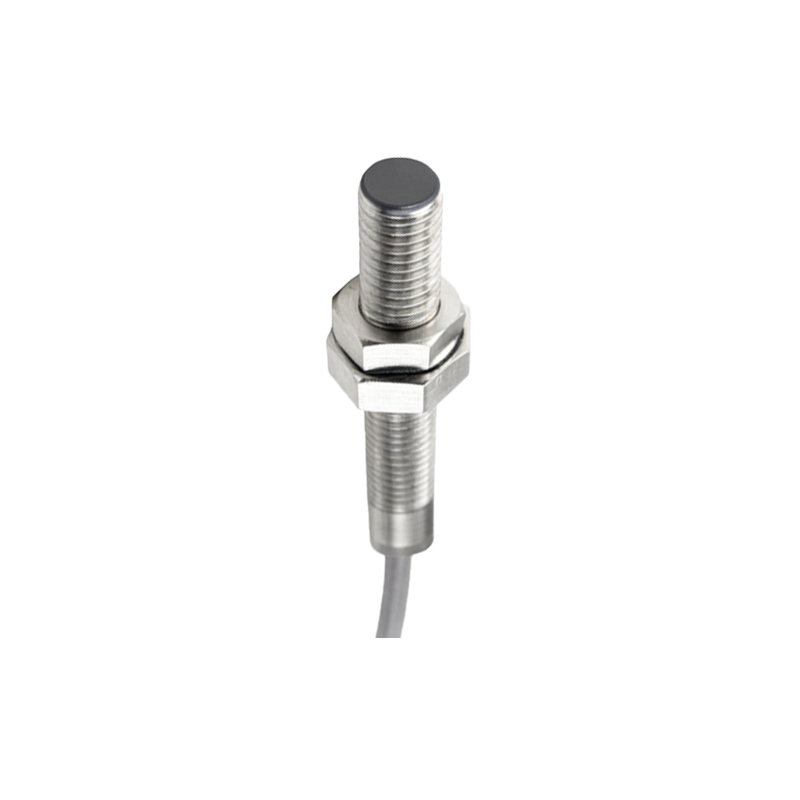
The choice of materials impacts performance. The optical window is often made of acrylic or glass with specific coatings. The housing material, commonly PBT, ABS, or metal (stainless steel for harsh environments), provides ingress protection ratings like IP67. The structural design also manages heat dissipation from the electronic components, ensuring long-term stability. Key structural considerations directly influence performance. The sensing range is determined by the light source's power, the detector's sensitivity, and the optical system's efficiency. The beam shape and size are defined by the lens geometry, affecting the sensor's resolution and ability to detect small objects. The housing design creates a blind zone immediately in front of the sensor where detection is not possible. A well-designed optical path minimizes this zone. The mechanical structure must ensure precise, stable alignment between optical components over the product's lifetime, despite vibration or thermal expansion. Modern miniaturization trends have led to compact, surface-mount device (SMD) designs for PCB integration, while heavy-duty industrial sensors feature robust, threaded metal barrels.
In summary, the structure of a photoelectric proximity sensor is a careful integration of optoelectronics, precision mechanics, and circuit design. Each component, from the emitter chip to the external housing, plays a critical role in converting a light interaction into a reliable electrical signal. This structural synergy enables their versatile and reliable operation in countless automated systems.