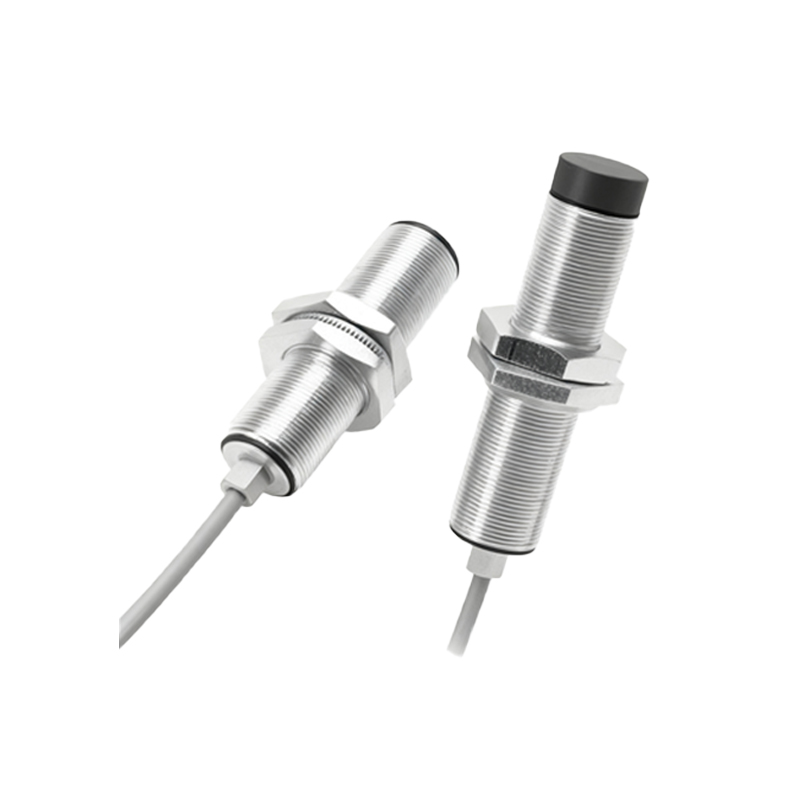
In the realm of automation and smart technology, the ability to detect the presence or absence of an object without physical contact is fundamental. Semiconductor proximity sensors have emerged as a cornerstone technology enabling this capability. These devices, leveraging the unique electrical properties of semiconductor materials, offer a reliable, efficient, and versatile solution for non-contact detection across countless industries.
At their core, semiconductor proximity sensors operate by generating an electromagnetic field or a beam of radiation (often infrared light). When a target object enters this field, it causes a detectable change in the sensor's signal. The semiconductor component, typically a photodiode, phototransistor, or a specialized integrated circuit, is responsible for converting this physical change into a precise electrical signal. This signal is then processed to trigger a specific output, such as turning a machine on or off, counting items, or initiating a safety protocol. The key advantage lies in the semiconductor's sensitivity and speed, allowing for detection of a wide variety of materials, including metals, plastics, liquids, and even human skin, with high repeatability and fast response times.
Several primary technologies dominate the semiconductor proximity sensor market. Photoelectric sensors use a light emitter and a semiconductor receiver. They are prized for their long sensing ranges and ability to detect virtually any material. Inductive sensors generate an oscillating electromagnetic field and are specifically designed to detect metallic objects, making them indispensable in heavy industrial environments like automotive manufacturing. Capacitive sensors can detect both metallic and non-metallic materials by sensing changes in capacitance, ideal for level detection of liquids or granular materials. Finally, Hall-effect sensors detect magnetic fields and are commonly used for position sensing in motors and for detecting the speed of rotating gears.
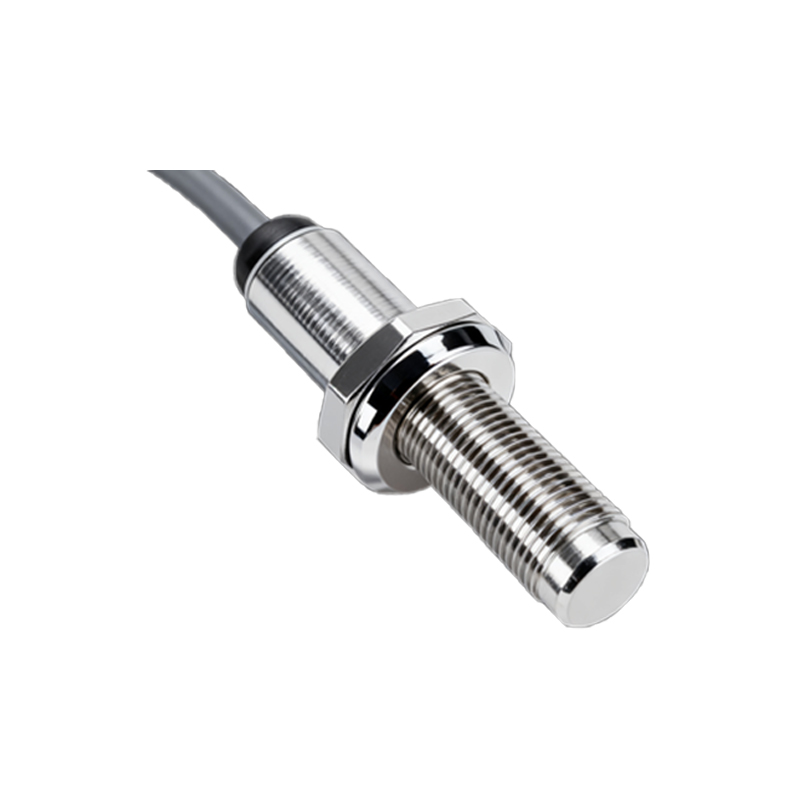
The applications of these sensors are vast and deeply integrated into modern life. In industrial automation, they are the eyes of robotic arms, ensuring precise part placement and assembly. On high-speed packaging lines, they count products and verify lid placement. In the automotive sector, they enable advanced driver-assistance systems (ADAS), detecting obstacles during parking. Consumer electronics utilize miniature semiconductor proximity sensors to disable touchscreen displays when a phone is held to the ear, saving power and preventing accidental inputs. They are also critical in building automation for touchless light switches and faucets, promoting hygiene and energy efficiency.
When selecting a semiconductor proximity sensor for an application, several critical factors must be considered. Sensing range, the maximum distance at which the sensor can reliably detect an object, is paramount. The nature of the target material—its size, color, reflectivity, or conductivity—directly influences the choice of sensor technology. Environmental conditions such as temperature extremes, dust, moisture, or exposure to chemicals demand sensors with appropriate ingress protection (IP) ratings. Furthermore, the required output type, whether a simple digital on/off signal or a more complex analog signal proportional to distance, must match the control system's input.
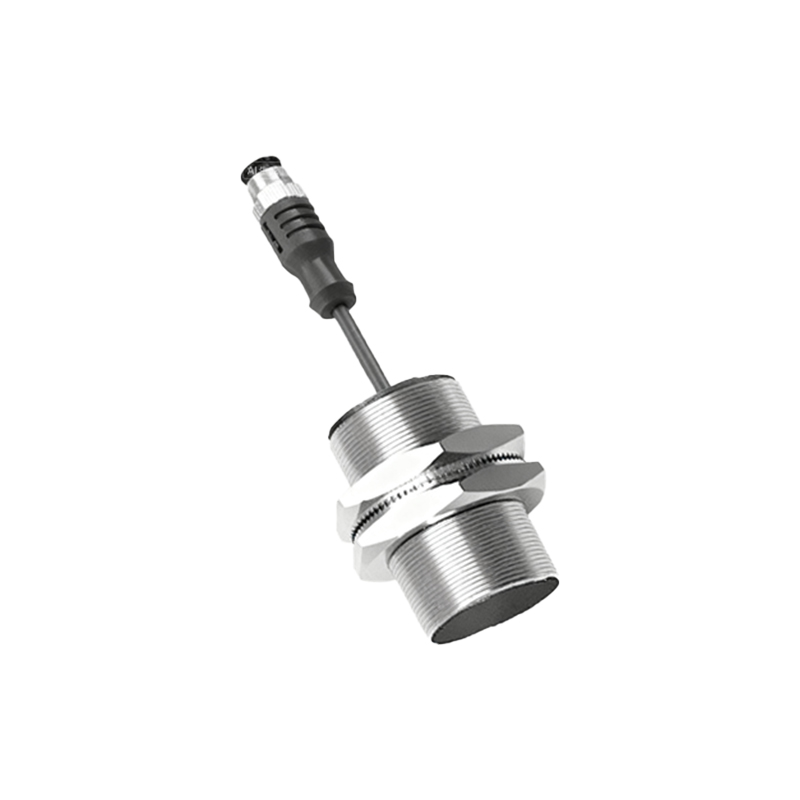
Looking ahead, the future of semiconductor proximity sensing is geared towards greater intelligence, miniaturization, and integration. The convergence of sensors with microprocessors and wireless communication modules is giving rise to smart sensors capable of self-diagnosis, condition monitoring, and direct data reporting to cloud-based systems. Advances in semiconductor fabrication are leading to smaller, more power-efficient sensors, enabling their proliferation in wearable devices and the Internet of Things (IoT). Furthermore, the development of time-of-flight (ToF) sensors, which measure the time for light to reflect back, is providing highly accurate 3D depth information for applications in robotics, augmented reality, and biometric security.
In conclusion, semiconductor proximity sensors are a transformative technology that bridges the physical and digital worlds. Their non-contact nature, reliability, and adaptability have made them essential components in driving efficiency, safety, and innovation. From the factory floor to the smartphone in your pocket, these sophisticated yet often unseen devices continue to expand the boundaries of what is possible in automated and interactive systems. As semiconductor technology advances, these sensors will become even more capable, intelligent, and ubiquitous, forming a critical sensory layer for the increasingly automated future.